How to Build a Freshwater Collection When the Wild-Caught Supply Chain Collapses
Discus were never cheap, but they used to be predictable. A shop owner could place an order in June, expect a shipment of wild-caught Colombian greens and blues by August, and sell them at a steady margin through the fall. That rhythm ended when Colombia’s national environmental licensing authority tightened export quotas on wild ornamental fish — specifically on Symphysodon aequifasciatus — following population surveys that suggested collection pressures were higher than sustainable thresholds. The ban wasn’t a total prohibition, but it functionally stopped the volume that smaller retailers depended on. The effect rippled through the supply chain in about four months, and by the time the news reached most hobbyists, the tanks at their local stores had already been emptied.
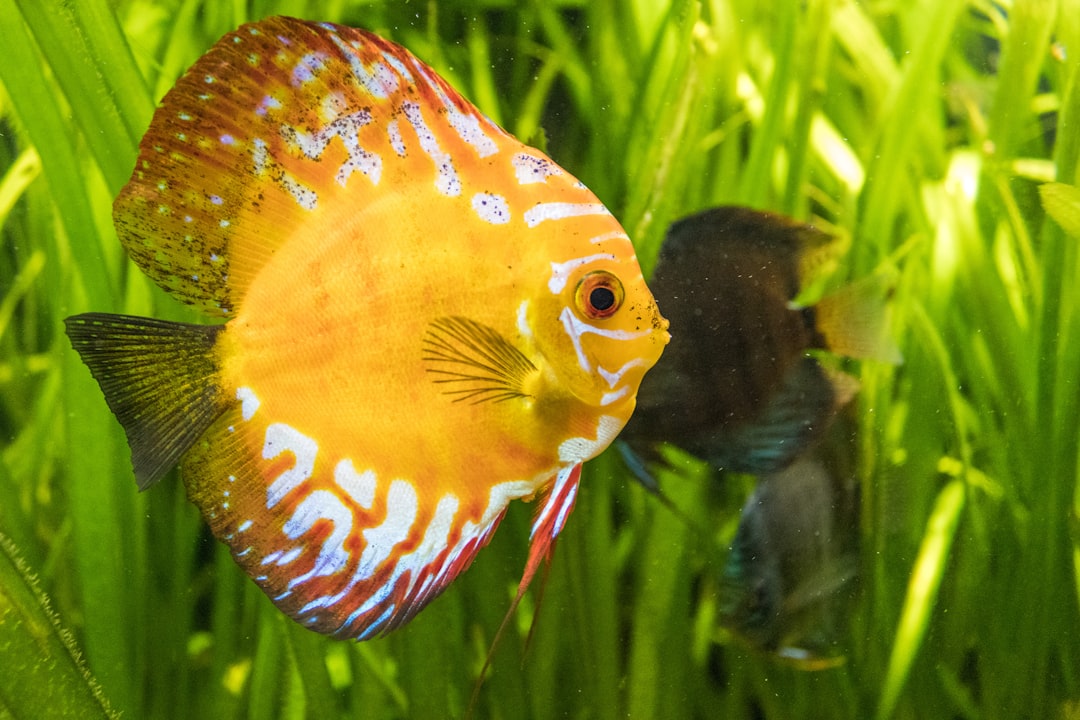
The first thing to understand is what actually got cut. Colombia’s wild discus — particularly the ones from the Rio Negro and the Amazonas department — had been the backbone of affordable wild-caught stock in the United States and Europe for over a decade. They weren’t the show-grade fish that breeders in Thailand or Malaysia were producing, but they carried traits that captive-bred lines often lose: the deep lateral compression, the intense iridescence on the dorsal and anal fins, the body shape that looks less like a dinner plate and more like a coin. They were also cheaper. A wild Colombian green discus at wholesale might run $25 to $35, compared to $60 or more for a selectively bred strain from an Asian farm. For a shop trying to keep discus in stock at a reasonable retail price, the wild-caught Colombian fish were the buffer between “we carry discus” and “we don’t.”
That buffer is gone. For a mid-sized independent operation that had been in business for seventeen years, with about forty display tanks and a back room full of grow-out systems, the response wasn’t immediate. The owner, a man named Felix who has been importing fish since the early 2000s, tried to source from Peru instead. Peruvian discus are different animals. They tend to be smaller, less colorful, and harder to acclimate. “The Peruvian ones just didn’t ship the same,” he says. “We’d lose a third of a shipment in the first week, and the customers who bought the survivors had trouble getting them to eat.” He tried again with a shipment from a different exporter in Iquitos, then a third. Same results. The mortality rate on Colombian fish had been somewhere around five to eight percent. The Peruvian fish were running closer to thirty percent, which made the math impossible at any price point.
The next logical move was captive-bred discus from Asian farms. This is where most hobbyists assume the answer lives anyway — why not just buy from the same breeders who produce the show strains? The problem is scale and consistency. A shop that stocks discus as a utility item — meaning they want a reliable batch every few weeks, not a single showcase tank — needs a supply that can deliver fifty to a hundred fish per order, at a predictable size and with predictable coloration. Asian farms produce beautiful fish, but they produce them in runs that are often tied to specific export contracts. For a small shop to get on those contracts, they need to commit to volumes that won’t sell through in a reasonable time frame. “I could have ordered a hundred red melons from a farm in Singapore,” Felix says, “but I’d be sitting on them for four months, and by then they’d be too big for the price I was asking.”
The captive-bred alternatives that do work at small-shop scale are narrower than most customers realize. A few operations in Eastern Europe — particularly in the Czech Republic and Poland — have been producing discus for the European market for years, and they’re starting to export to North America. The fish are solid: good shape, moderate color, and adapted to harder water than their wild counterparts. The problem is shipping logistics. A shipment from Warsaw to a shop on the East Coast takes about forty-eight hours if everything goes right, but customs clearance has been unpredictable since the pandemic-era staffing cuts. Felix tried three orders from a Czech supplier. One arrived in good condition, one arrived with half the fish showing symptoms of velvet, and one was delayed in Memphis for four days. “That third one was a total loss,” he says. “We filed an insurance claim, but the supplier wouldn’t replace the fish, and the carrier argued it was a packaging issue. We got about thirty percent of the cost back, four months later.” You can’t build a program on that.
The strategy that has kept Felix’s shop in the discus business — and it’s a strategy that isn’t widely discussed in the forums — is a cooperative arrangement with local breeders. There are discus hobbyists in almost every mid-sized city, and many of them produce more fry than they can move locally. The fish aren’t always the strains a shop would choose to order from a farm. They’re often crosses — a red turquoise mixed with a blue diamond, or a wild-type green with a domestic strain — and they don’t have the uniform color that commercial buyers expect. But they’re hardy, they’re adapted to local water chemistry, and they’re cheap. Felix offers these breeders store credit at a rate slightly below what he’d pay a wholesaler, and he sells the fish at a discount with a “locally bred” tag. A domestic breeder might produce forty to sixty discus fry per spawn, selling to hobbyists at $10 to $15 apiece. Felix offers them $8 per fish in store credit, which the breeders use for frozen foods, test kits, and canister filter media. He retails the fish at $25 — less than half what a comparable imported discus would cost — and they move quickly, because customers are curious about the local origin story. “I’d say thirty percent of our discus sales now are from two local guys,” he says. “They’re not the prettiest fish in the shop, but they survive, and that’s what most people actually need.”
The hard truth is that discus retailing at a small shop now requires accepting that the model has fundamentally changed. It’s no longer a commodity item that can be ordered from a catalog and stocked in a climate-controlled tank for three months. The fish need to be sourced opportunistically, from breeders who may only have a batch twice a year, or from importers who are willing to split a larger order into smaller lots that a shop can actually move. Felix now carries discus only in a single 75-gallon display, instead of the four tanks he used to run. He rotates fish through it based on what’s available — sometimes wild-caught greens from a small exporter in Brazil who ships via Miami, sometimes domestic breeder stock, occasionally a batch of Asian farm fish from a distributor who over-ordered and needs to move them fast.
One afternoon in mid-October, a customer walked in looking for a pair of wild-type discus for a planted tank. Felix walked him through the options. There were two domestic greens in the display — larger than ideal, probably eight inches, with slight peppering on the face. There was a single blue discus from a Peruvian shipment that had been in the shop for six weeks and had finally started eating pellets. And there was a trio of small wild greens, maybe four inches, that had come in that morning from a hobbyist in the next county who’d had a surprise spawn. The customer bought the trio. “Honestly, he seemed happier than if I’d shown him a dozen perfect imports,” Felix says. “There’s something about knowing where a fish came from that matters more to people now than it used to.”
The question of whether to keep discus in stock at all is one every shop with limited tank space has to answer. Discus take up more room per fish than almost any other freshwater species commonly sold, and they require more maintenance. A shop that dedicates a 75-gallon system to discus could be using that space for angelfish, rams, or apistogramma — all of which sell faster and die less often. But discus are also a species that brings people into a shop. Felix says he sees customers who come in specifically to look at the discus, even if they don’t buy one. “They hang around, they ask questions, they look at the other tanks,” he says. “It’s marketing, basically. The discus are the hook.” The discus are the hook.
For anyone trying to sustain a discus program in a small shop right now, the practical steps look something like this:
- Identify local breeders before a crisis hits. Post on local aquarium society Facebook groups, visit club auctions, talk to the person who brings in discus fry to the monthly meeting. The worst time to find a domestic breeder is after an import shipment fails and the display tank is empty.
- Accept that the fish won’t be uniform. Domestic-bred discus from hobbyist sources will vary in size, color, and conformation. That’s fine. Price them honestly and label them as “locally bred” — customers who care about consistency will buy from specialist farms, and customers who want a healthy fish at a fair price will buy these.
- Be willing to lose money on the display. If the discus tank is a marketing investment, it doesn’t need to turn a profit on its own. Felix keeps a separate P&L for the discus display and treats any shortfall as an advertising expense. That reframes the problem from “we’re losing money on discus” to “we’re spending money to get people in the door.”
- Diversify import sources but keep expectations low. Most wild-caught discus available now come from Peru, Brazil, or occasionally Venezuela, and the quality is inconsistent. Order small test batches from any new exporter before committing to a full shipment. Expect 20-30% mortality on the first try, and don’t reorder without seeing healthy survivors past the four-week mark.
- Build a relationship with a specialty distributor. The big wholesalers that carry everything from neon tetras to African cichlids are not reliable discus sources. Look for a distributor that specializes in South American cichlids specifically — there are about half a dozen in the US, and they’ll be more honest about current stock quality and shipping windows.
The Colombian ban isn’t coming back. The population surveys that triggered it weren’t a one-time thing — they’re part of a revised management plan that the Colombian environmental authority updates every three years, and all indications are that the quotas will stay tight or get tighter. The fish that used to fill a certain market niche — affordable, reasonably colorful, reliably wild — are now effectively unavailable at the volume that small shops need. Whether a shop adapts by partnering with domestic breeders, accepting lower consistency from alternative wild sources, or simply shrinking the discus program to a single display tank is a decision that depends on local customer demand and the owner’s tolerance for uncertainty. Either way, the era of ordering discus by the box and expecting them to show up on schedule is over, and the shops that are thriving are the ones that figured that out before the last Colombian shipment cleared customs.

📷 Photos: Pierre Goiffon (Unsplash), Naufal Fawwaz Assalam (Unsplash)