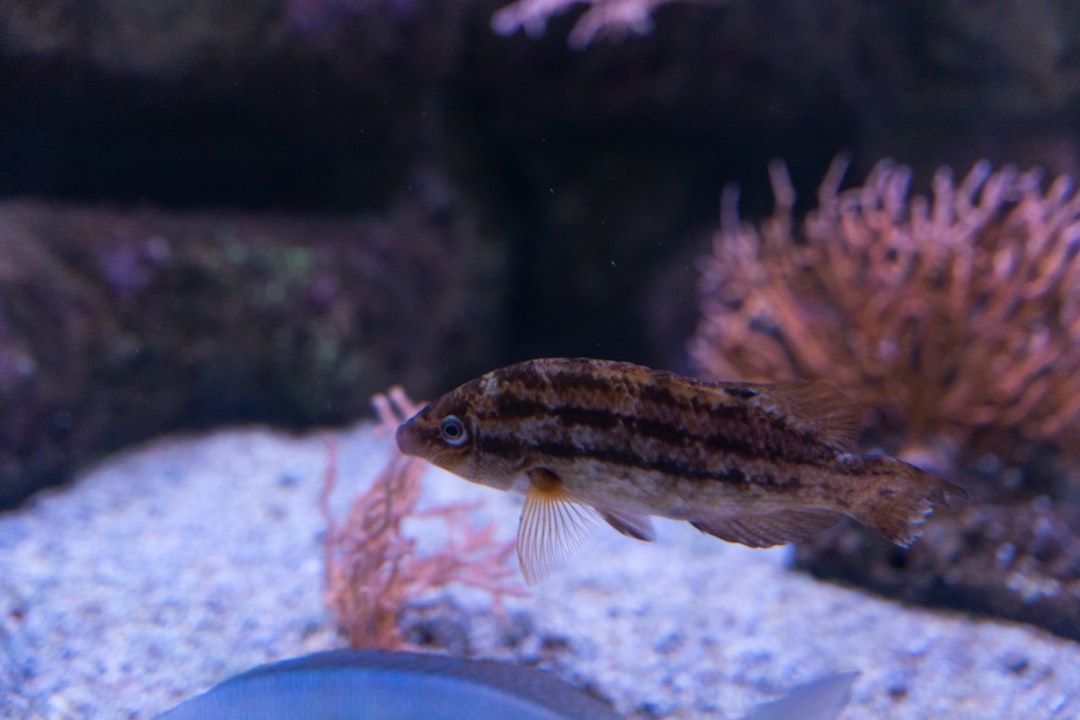
How to adjust drip acclimation timing for wild-caught pencilfish
How to adjust drip acclimation timing for wild-caught pencilfish
Pencilfish from the genus Nannostomus arrive in aquarium shops in a state that has almost nothing to do with the fish most hobbyists picture. A wild-caught Nannostomus marginatus coming out of a shipping bag looks washed out, skittish, and sometimes barely breathing. The acclimation protocol that works for tank-raised tetras or livebearers can kill them within hours.
The adjustment to drip acclimation timing for wild pencilfish is not complicated, but it contradicts most of what hobbyists learn about bringing new fish home. The standard advice—drip for one to two hours, matching water parameters slowly—is wrong for these fish in two specific ways.
The bag water tells you what the tank should be
Wild-caught pencilfish from the Rio Negro or its tributaries arrive in water that is soft, acidic, and nearly sterile in terms of dissolved minerals. The pH in parts of their natural range can sit at 4.5. Conductivity readings in the single digits are normal. Most tap water, even treated tap water, represents a chemical shock that no drip rate can fully mitigate if the fish have already been stressed by transport.
Yusuf, who runs a small import operation out of a garage in Portland and receives wild pencilfish shipments three or four times a year, describes the problem bluntly. “The fish aren’t dying from osmotic shock during the drip. They’re dying from the cumulative stress of being in a bag for thirty hours, then being dripped for two more hours in water that’s still too different from what they came in.” He lost an entire shipment of Nannostomus eques four years ago by following standard acclimation times. “I watched them die over three days. The drip was fine. The water chemistry just wasn’t close enough.”
The fix, in his experience, is not to stretch the drip longer. It is to shorten it, and to change what the drip water contains.
Fifteen minutes, then transfer
The conventional logic says: if water parameters are far apart, drip slower and longer to give the fish time to adjust. That works for fish with robust osmoregulatory systems. Pencilfish, especially wild ones, have spent their entire lives in water so soft that their bodies have never needed to regulate against significant mineral content. Prolonged exposure to even moderately different water during a drip—say, two hours of gradually increasing conductivity—can exhaust them before they ever reach the tank.
The alternative is a fifteen to twenty minute drip, followed immediately by transfer. The goal is not full parameter matching. The goal is to avoid prolonged exposure to transitional water chemistry that the fish cannot handle in their weakened state.
“I do a fast drip,” Yusuf says. “Twenty minutes, maybe twenty-five. Then they go into the tank. The tank water matches the bag water as closely as I can get it—same TDS, same pH. I don’t try to acclimate them to my tap water over time. I acclimate the tank water to the bag water before they ever arrive.”
Prepping the receiving tank
This is where the real work happens, and it is the part most acclimation guides skip. A standard drip acclimation assumes the receiving tank contains the water the fish will eventually live in. For wild pencilfish, the receiving tank should contain water that matches the bag water, with a planned transition over several days afterward.
The steps look like this:
- Test the bag water as soon as the shipment arrives. Check pH, TDS or conductivity, and temperature. Do not open the bag yet. Write the numbers down.
- Adjust the receiving tank to match. Use RO or distilled water if necessary. Add blackwater extract, Indian almond leaves, or peat filtration to drop pH and add tannins. The tank should be as close to the bag water as possible before the fish ever go in.
- Float the bag for temperature matching only—ten to fifteen minutes, no longer. Do not open the bag during floating.
- Start a fast drip into the bag or a clean container. Drip rate should be 3–4 drops per second, not the usual 1–2. Target fifteen to twenty minutes. By the end, the water volume in the container should have increased by roughly 50 percent.
- Transfer the fish directly into the receiving tank. Do not add the drip water or bag water to the tank. Net the fish out and discard the water.
- Leave the lights off for at least 24 hours. Do not feed for 48 hours.
The quick transfer after a short drip means the fish spend minimal time in water that is neither the bag water nor the tank water. They go from one stable environment into another stable environment. The adjustment to the keeper’s target water parameters happens over the next week, not in the first hour.
What happens when you get it wrong
A hobbyist in Ohio posted on a forum six months ago about losing nine of twelve Nannostomus beckfordi within two days of arrival. The acclimation had been textbook: two-hour drip, careful temperature matching, lights off. The postmortem conversation revealed the receiving tank was running at TDS 180, while the bag water tested at TDS 12. The fish had been dripped slowly into water that was still fifteen times more mineralized than what they came from, and the extended exposure had done the damage.
That hobbyist now uses the short-drip method and reports survival rates above 90 percent on subsequent shipments. The cost of the lesson was roughly $80 in fish and the disappointment of a carefully planned biotope tank going wrong before it properly started.
The exception: fish that arrive in poor condition
Not all wild pencilfish shipments are equal. A fish that arrives with visible clamped fins, labored breathing, or fungal patches may not survive any acclimation protocol. In those cases, some keepers advocate for a longer drip on the theory that the fish need the gentlest possible transition. Yusuf disagrees. “If the fish are already that stressed, more time in a bucket isn’t helping. Get them into stable water fast. Give them clean, dark, quiet conditions. The water change they need tomorrow is more important than the drip today.”
A reasonable compromise: if the bag water parameters are genuinely extreme—pH below 5, TDS under 10—and the receiving tank cannot match them exactly, a thirty-minute drip at a moderate rate may be appropriate. But this should be the upper limit, not the starting point.
A note on water temperature for pencilfish specifically
Wild pencilfish from blackwater habitats are often shipped at lower temperatures than tropical community fish—sometimes as low as 68°F to 72°F. Hobbyists who immediately warm the bag water to 78°F or 80°F during acclimation can cause thermal shock regardless of drip rate. Temperature matching during the float should target the bag temperature, not the eventual tank temperature. Raise the tank temperature gradually over several days after the fish are settled.
A keeper in Florida learned this the hard way with a shipment of Nannostomus trifasciatus. The bag water was at 70°F. The receiving tank was at 78°F. The fish were floated for twenty minutes, then dripped for thirty minutes, by which point the drip water had warmed the container to 76°F. All ten fish died within twelve hours. The temperature shift, not the chemistry, was the likely cause.
What about fish from reputable importers who pre-condition?
Some larger importers hold wild pencilfish for a week or more before shipping, allowing them to recover from transport and adjust to local water. These fish arrive in better condition and may tolerate standard acclimation procedures. The short-drip method is still safer, but the margin for error widens. The deciding factor should be communication with the supplier: ask how long the fish have been in their system and what water parameters they have been held in. If the answer is “straight from the exporter” or “less than 48 hours,” treat the fish as fresh wild imports and use the short drip.
One keeper’s compromise
A breeder in Southern California who works with Nannostomus marginatus uses a variation worth noting. He runs a slow drip for the first ten minutes, then opens the valve to a fast drip for the next fifteen. “The slow start gives them a minute to register that something is changing,” he says. “Then they get the quick transition before they’ve had time to get exhausted.” His survival rates on wild imports are consistently above 85 percent, though he acknowledges that sample size is small—he brings in pencilfish only once or twice a year.
That hybrid approach—ten minutes slow, fifteen minutes fast—may suit keepers who are nervous about abandoning the long-drip habit entirely. It is not the method Yusuf recommends, but it has its adherents.
The real variable no one controls
For all the precision of drip rates and TDS readings, the single largest factor in wild pencilfish survival is the condition of the fish when they leave the exporter. A shipment that was packed too densely, held too long, or shipped in water that had already degraded will fail regardless of acclimation technique. The short-drip method improves the odds, but it cannot fix dead fish before they arrive.
The practical takeaway for anyone ordering wild pencilfish: talk to the supplier about packing density and transit time before you place the order. If the fish are coming from South America directly to your door, expect higher mortality and plan accordingly. If they have been held by a middleman for a week before being re-shipped, your acclimation decision matters less than the decision to buy from that middleman in the first place.
Yusuf puts it succinctly. “The drip is the last thing that matters. What matters is the water the fish swim into at the end of it.”
📷 Photos: Hugo Carle (Unsplash), SHOT (Unsplash)