Fish Health Tips
White Spot Disease: A Common Problem for Fish Keepers
As a fish keeper, you’re probably no stranger to the joys of watching your fish swim and thrive in their tank. However, you’re also likely familiar with the frustrations of dealing with diseases that can affect your fish. One of the most common and problematic diseases is white spot disease, also known as ich. In this article, we’ll take a closer look at how to spot white spot disease early and treat it safely.
What is White Spot Disease?
White spot disease is a parasitic infection caused by the protozoan parasite Ichthyophthirius multifiliis. It’s a highly contagious disease that can affect almost all species of freshwater fish. The parasite attaches itself to the fish’s skin, gills, and fins, causing irritation, inflammation, and eventually, death. White spot disease is often introduced to the tank through contaminated water, plants, or equipment, or by adding infected fish to the tank.
How to Spot White Spot Disease Early
Spotting white spot disease early is crucial for successful treatment. Here are some common signs to look out for:
- Small white spots on the fish’s skin, gills, and fins. These spots can be as small as a grain of salt and may appear as a single spot or in clusters.
- Labored breathing, as the parasite can attach itself to the gills and cause respiratory problems.
- Loss of appetite, as the fish may become lethargic and disinterested in food.
- Rapid breathing, as the fish tries to compensate for the lack of oxygen.
- Clamped fins, as the fish tries to reduce the irritation caused by the parasite.
- Flashy or erratic behavior, as the fish tries to dislodge the parasite from its body.
How to Treat White Spot Disease Safely
Treating white spot disease requires a combination of medication, water changes, and good tank maintenance. Here are some steps to follow:
- Quarantine the infected fish: Move the infected fish to a separate quarantine tank to prevent the disease from spreading to other fish in the main tank.
- Increase the water temperature: Raise the water temperature to 82°F (28°C) to help speed up the parasite’s life cycle and make it more susceptible to treatment.
- Use medication: Add a white spot disease medication to the quarantine tank, following the manufacturer’s instructions. Some common medications include malachite green, formalin, and copper-based treatments.
- Perform frequent water changes: Change 25-50% of the water in the quarantine tank every day to remove the parasite and its toxins from the water.
- Monitor the fish’s condition: Keep a close eye on the fish’s condition, and adjust the treatment as necessary. If the fish shows no improvement after 7-10 days, it may be necessary to try a different medication or seek advice from a fish expert.
Preventing White Spot Disease
Preventing white spot disease is always better than trying to treat it. Here are some tips to help you prevent the disease from occurring in the first place:
- Quarantine new fish: Before adding new fish to your main tank, quarantine them for at least 2-4 weeks to ensure they’re free of diseases.
- Use a UV sterilizer: A UV sterilizer can help kill parasites and bacteria in the water, reducing the risk of disease.
- Maintain good water quality: Regular water changes, proper filtration, and a balanced water chemistry can help prevent the disease from taking hold.
- Avoid overcrowding: Overcrowding can stress the fish, making them more susceptible to disease. Make sure to provide enough space for each fish in the tank.
- Avoid sudden changes: Sudden changes in water temperature, pH, or other water parameters can stress the fish, making them more susceptible to disease.
Tips for Treating White Spot Disease in a Community Tank
Treating white spot disease in a community tank can be challenging, as you need to balance the treatment with the needs of the other fish in the tank. Here are some tips to help you treat the disease safely:
- Use a treatment that’s safe for all fish: Choose a medication that’s safe for all the fish in the tank, including sensitive species.
- Avoid using copper-based treatments: Copper can be toxic to some fish, such as neon tetras and other small species.
- Monitor the tank’s water parameters: Keep a close eye on the tank’s water parameters, including pH, ammonia, and nitrite levels, to ensure they remain stable during treatment.
- Perform frequent water changes: Regular water changes can help remove the parasite and its toxins from the water, reducing the risk of the disease spreading to other fish.
Conclusion
Treating white spot disease requires patience, attention to detail, and a willingness to take action quickly. By following the steps outlined in this article, you can help your fish recover from the disease and prevent it from occurring in the first place. Remember to always prioritize your fish’s health and well-being, and don’t hesitate to seek advice from a fish expert if you’re unsure about the best course of treatment.
Thanks for reading, and I hope you found this article helpful in your fight against white spot disease. If you have any questions or experiences you’d like to share, please don’t hesitate to leave a comment below. I’d love to hear from you and help in any way I can. Until next time, happy fish keeping!
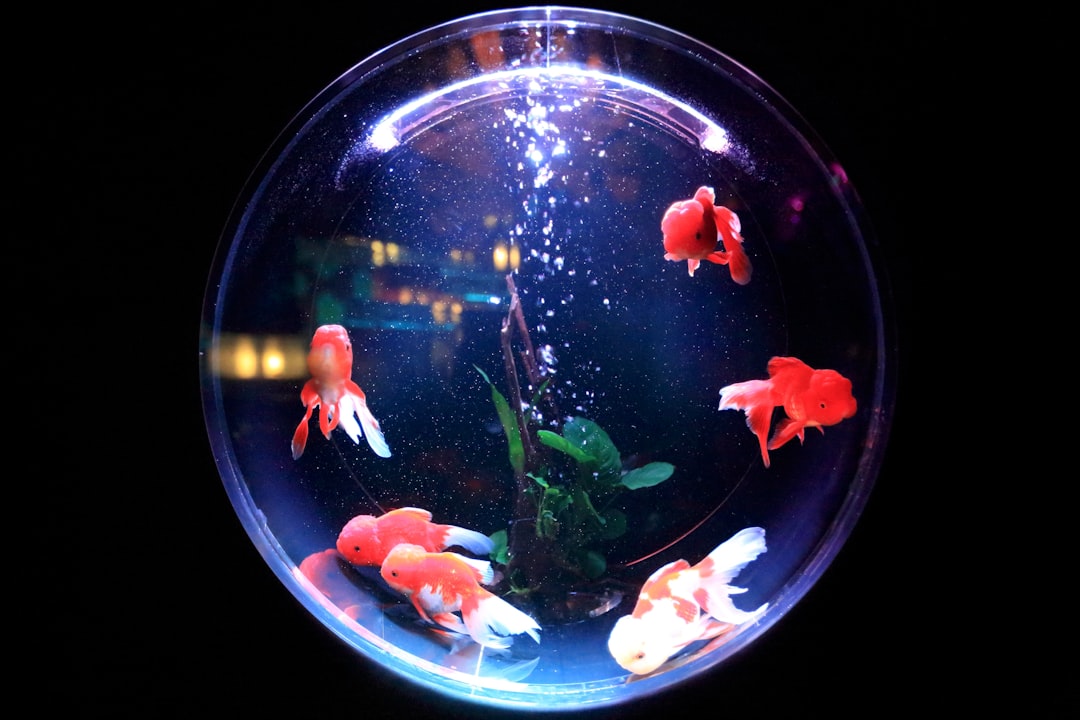
Photo by kazuend on Unsplash