Introduction to Biotope Aquariums
Introduction to Biotope Aquariums
Setting up a biotope aquarium requires careful planning and attention to detail, with the main keyword biotope aquarium referring to a aquarium that replicates a specific natural habitat. To create an Amazon, African, or Asian biotope aquarium, you’ll need to research the native fish species, plants, and decorations that are commonly found in these regions. For example, if you’re planning an Amazon biotope aquarium, you’ll want to include species like the discus and angelfish, which are native to the Amazon river basin. Related keywords like aquatic plants, fish care, and aquarium decoration are also crucial to consider.
In terms of timing, the best time to set up a biotope aquarium is during the cooler months, when the water temperature is more stable. This will help to reduce stress on the fish and prevent disease. Additionally, it’s essential to research local etiquette and regulations regarding the importation of non-native species, to ensure that you’re not inadvertently harming the local ecosystem.
Choosing the Right Fish
Amazon Biotope Aquarium
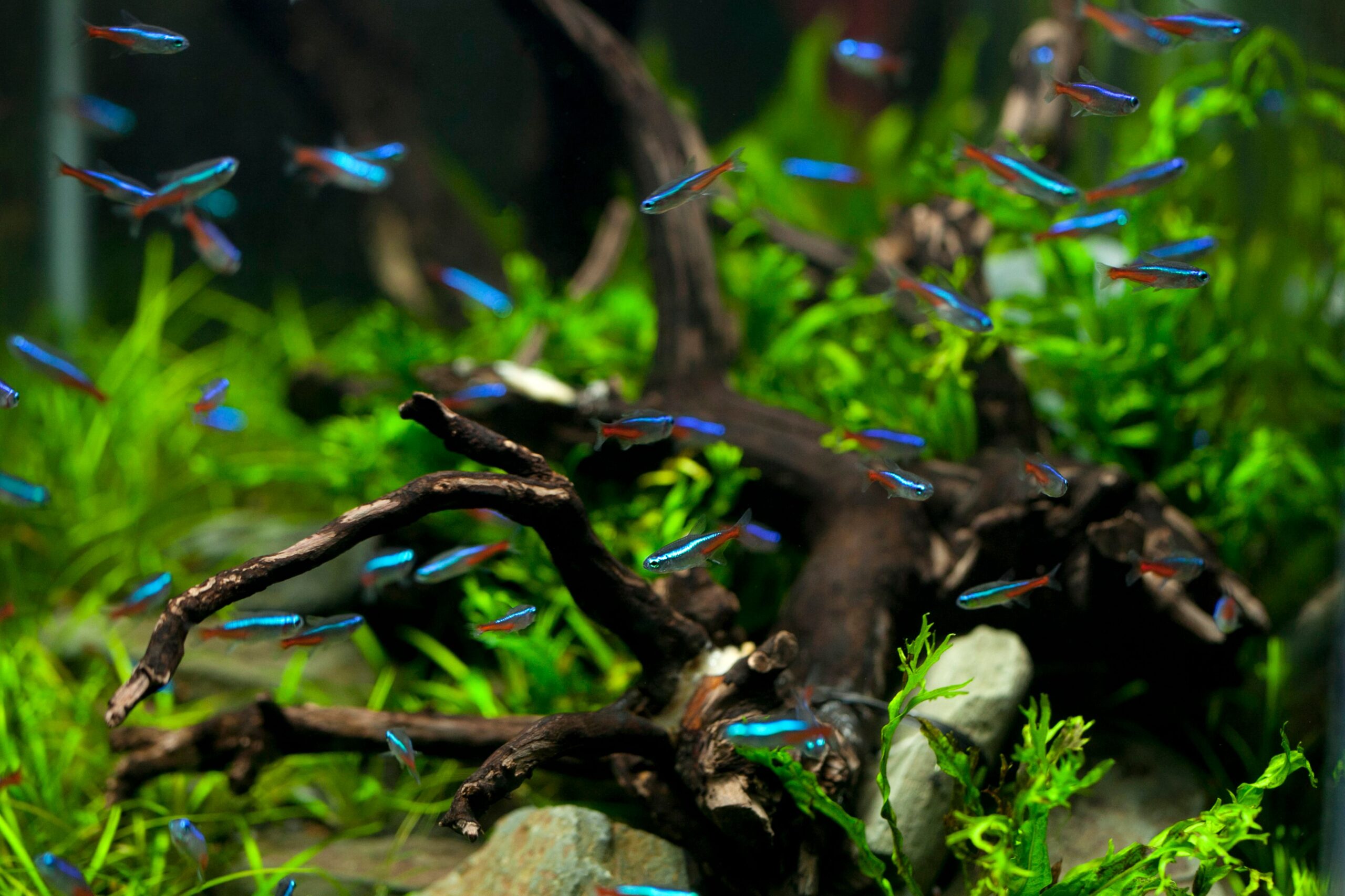
When selecting fish for an Amazon biotope aquarium, consider species that are native to the Amazon river basin, such as characins, catfish, and cichlids. These fish are adapted to the warm, acidic waters of the Amazon and will thrive in an aquarium with similar conditions. Some popular species for an Amazon biotope aquarium include the neon tetra, cardinal tetra, and lemon tetra.
For an African biotope aquarium, consider species like cichlids and catfish, which are native to the lakes and rivers of Africa. Some popular species for an African biotope aquarium include the frontosa, pezu, and synodontis.
Setting Up the Aquarium
Substrate and Decorations
When setting up a biotope aquarium, it’s essential to choose a substrate that replicates the natural habitat of the fish. For an Amazon biotope aquarium, a dark-colored sand or gravel is a good choice, as it will help to create a sense of depth and warmth. For an African biotope aquarium, a light-colored sand or gravel is a better option, as it will help to create a sense of brightness and clarity.
In terms of decorations, consider adding plants like amazon swords, java moss, and anacharis, which are native to the Amazon river basin. For an African biotope aquarium, consider adding plants like anubias, cryptocorynes, and water wisteria.
Maintaining the Aquarium
Water Parameters
To maintain a healthy biotope aquarium, it’s essential to monitor the water parameters regularly. For an Amazon biotope aquarium, the ideal water parameters are a pH of 6.5-7.5, a temperature of 78-82°F, and a water hardness of 5-10 dGH. For an African biotope aquarium, the ideal water parameters are a pH of 7.5-8.5, a temperature of 75-80°F, and a water hardness of 10-20 dGH.
In terms of maintenance, it’s essential to perform regular water changes, ideally 10-20% every week, to keep the water clean and stable. Additionally, consider adding a canister filter or hang-on-back filter to help maintain good water circulation and filtration.
Key Takeaways
- Research the native fish species, plants, and decorations for your chosen biotope aquarium
- Choose a substrate that replicates the natural habitat of the fish
- Monitor the water parameters regularly to maintain a healthy aquarium
- Perform regular water changes to keep the water clean and stable
FAQ
Q: What is the ideal tank size for a biotope aquarium?
A: The ideal tank size for a biotope aquarium depends on the species of fish and plants you plan to keep. A minimum tank size of 20 gallons is recommended for most biotope aquariums.
Q: How often should I feed my fish in a biotope aquarium?
A: The frequency of feeding depends on the species of fish and their nutritional requirements. As a general rule, feed your fish 2-3 times a day, only as much as they can consume within a few minutes.
Q: Can I keep different species of fish together in a biotope aquarium?
A: Yes, but it’s essential to research the compatibility of the species before introducing them to the aquarium. Some species may be aggressive or territorial, and may not be suitable for a community aquarium.
Practical Tip
To create a thriving biotope aquarium, consider adding a driftwood or rock formation to the aquarium, which will provide hiding places and visual interest for the fish. Additionally, consider adding a stream or current to the aquarium, which will help to create a sense of movement and energy. By following these tips and doing your research, you can create a beautiful and thriving biotope aquarium that will provide hours of enjoyment and fascination.