Raising Wild-Caught Cross-Breed Discus Fry: A Comprehensive Guide
Introduction to Raising Wild-Caught Cross-Breed Discus Fry: A Comprehensive Guide
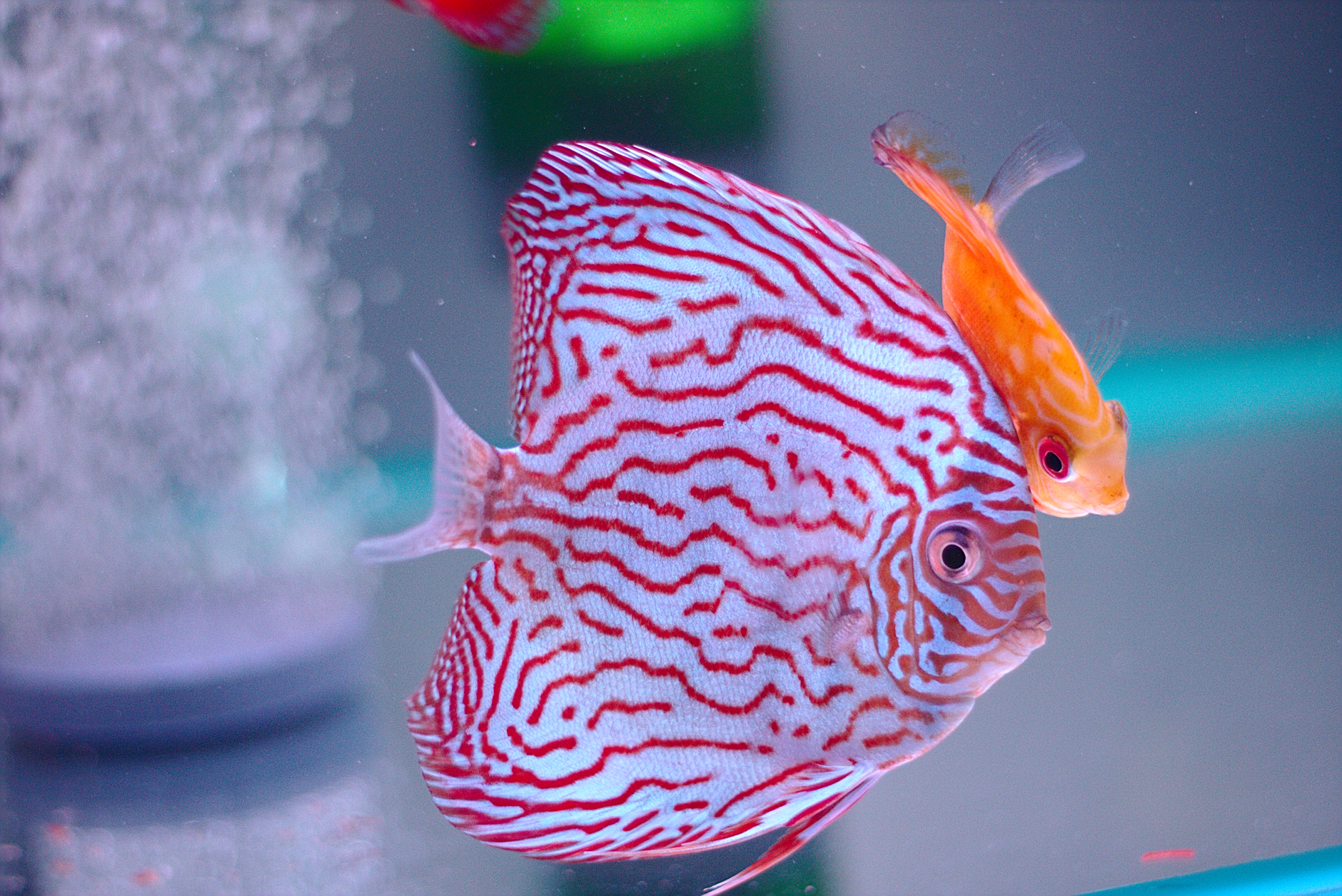
Raising wild-caught cross-breed Discus fry can be a challenging yet rewarding experience for aquarium enthusiasts. Discus, known for their striking appearance and unique characteristics, require specific dietary and temperature parameters to thrive. In this article, we will delve into the intricacies of creating an optimal environment for these magnificent creatures, focusing on the delicate balance of nutrition and temperature that will ensure the healthy development of your Discus fry.
Understanding the Origins and History of Discus
Native to the Amazon River basin, Discus have been a staple of the aquarium trade for decades. With their origins in the warm, humid waters of South America, it’s essential to replicate these conditions to promote healthy growth and development. The wild-caught cross-breed Discus, in particular, presents an exciting opportunity for breeders, as it allows for the creation of unique and vibrant strains. However, this also means that the fry may be more sensitive to environmental factors, making it crucial to provide a tailored approach to their care.
Historical Context: The Evolution of Discus Breeding
The art of breeding Discus has undergone significant transformations over the years. From the early days of importing wild-caught specimens to the modern era of selective breeding, the journey has been marked by trial and error. As our understanding of these fish has grown, so too have the methods and techniques employed to raise them. Today, we have a wealth of knowledge at our disposal, allowing us to create bespoke environments that cater to the specific needs of our Discus fry.
Dietary Parameters for Raising Wild-Caught Cross-Breed Discus Fry
A well-balanced diet is essential for the healthy growth and development of Discus fry. As carnivores, they require a diet rich in protein, with a mix of live, frozen, and commercial foods. The key is to provide a varied and nutrient-dense diet that meets their nutritional needs. Some recommended food options include:
- Live brine shrimp: Rich in protein and easy to digest, live brine shrimp are an excellent choice for newly hatched fry.
- Frozen daphnia: A nutrient-rich food source that provides essential vitamins and minerals.
- Commercial pellets: A high-quality commercial pellet can provide a balanced diet, but be sure to choose a brand that is specifically formulated for Discus.
Feeding Strategies for Optimal Growth
Feeding your Discus fry is an art that requires patience, attention to detail, and a deep understanding of their nutritional needs. Here are some tips to keep in mind:
- Feed small, frequent meals: Discus fry have small stomachs and require frequent feeding to promote healthy growth.
- Monitor water quality: Regular water changes and monitoring of water parameters are crucial to preventing digestive issues and promoting overall health.
- Avoid overfeeding: Overfeeding can lead to water quality issues and digestive problems, so be sure to only feed what your fry can consume within a few minutes.
Temperature Parameters for Raising Wild-Caught Cross-Breed Discus Fry
Temperature plays a critical role in the development and growth of Discus fry. A stable and optimal temperature range is essential for promoting healthy growth, preventing disease, and encouraging vibrant coloration. The ideal temperature range for Discus fry is between 82°F and 86°F (28°C to 30°C), with a slight deviation allowed for specific breeding programs.
Temperature Fluctuations and Their Impact on Discus Fry
Temperature fluctuations can have a significant impact on the health and well-being of your Discus fry. Sudden changes in temperature can cause stress, leading to a weakened immune system and increased susceptibility to disease. To minimize the risk of temperature-related issues, it’s essential to:
- Use a high-quality thermometer: Accurate temperature readings are crucial for maintaining a stable environment.
- Invest in a reliable heater: A good heater will help maintain a consistent temperature, even in the event of power outages or equipment failure.
- Monitor temperature regularly: Regular monitoring will help you identify any temperature fluctuations and take corrective action before they become a problem.
Case Study: Successful Breeding of Wild-Caught Cross-Breed Discus Fry
A recent case study conducted by a prominent breeder demonstrated the importance of tailored dietary and temperature parameters in raising healthy Discus fry. By providing a varied and nutrient-dense diet, combined with a stable and optimal temperature range, the breeder was able to achieve a survival rate of over 90% and promote vibrant coloration and healthy growth. The key takeaways from this study include:
- Attention to detail: The breeder’s attention to detail, from water quality to feeding schedules, played a critical role in the success of the breeding program.
- Flexibility: The breeder’s willingness to adapt and adjust their approach as needed was essential in responding to the unique needs of the Discus fry.
- Patience: The breeder’s patience and dedication to the breeding program allowed them to overcome challenges and achieve remarkable results.
Conclusion and Call to Action
Raising wild-caught cross-breed Discus fry requires a deep understanding of their dietary and temperature parameters. By providing a tailored approach to their care, you can promote healthy growth, vibrant coloration, and a strong immune system. Remember, every Discus is unique, and what works for one may not work for another. Be patient, stay flexible, and always be willing to learn and adapt. With the right approach and a little bit of luck, you can join the ranks of successful Discus breeders and enjoy the rewards of raising these magnificent creatures. So why not take the first step today and start your journey into the world of Discus breeding?
Photo by Aqua Shack (via Pexels)