The Night I Burned My Hand and Hatched Clownfish Anyway
The Night I Burned My Hand and Hatched Clownfish Anyway
It started with a glass of wine and a YouTube rabbit hole. Some guy in Australia with a garage full of plastic tubs and airline tubing was raising clownfish like they were tomato plants. I watched five videos in a row, then ordered a pair of ocellaris from a shop in Fort Pierce that I’d only ever bought frozen mysis from before. The guy on the phone — older, sounded like he smoked two packs a day — told me: “You want babies? Get ready to hate your water change schedule.” I laughed. I didn’t know yet.
That was January. By March I had 47 baby clownfish in a 10-gallon tank I’d converted into a larval rearing system and the whole operation smelled like rotifers and desperation. This is how it went.
The Pair That Wouldn’t
I picked up the pair on a Friday afternoon. The shop had them in a dark corner tank with a terra cotta pot on its side. The male was maybe two inches, the female pushing three and a half. She had that thick black coloration you see in wild-caught fish from the Solomon Islands, not the pale orange of the tank-raised ones. The male kept darting behind the pot every time I got close to the glass.
Dave netted them while I held the bag. “They’ve been laying every two weeks for about six months now,” he said. “Just make sure you feed the female enough. She’ll eat you out of house and home when she’s carrying eggs.” He was right about that.
I set them up in a 20-gallon long with a bare bottom and a new terra cotta pot. The first week they just hid. The female would come out to eat — frozen brine, mysis, some chopped squid I’d tried once — but the male stayed glued to the pot. I checked the water every day. Ammonia zero, nitrites zero, nitrates around 10. Temperature steady at 78. I was doing everything right and nothing was happening.
Then on day ten I came home from work and saw the male hovering over a patch of bright orange eggs on the side of the pot. Maybe sixty of them. They looked like tiny grains of saffron glued to the clay.
The Vigil
For the next week, the male did nothing but fan those eggs. He’d beat his pectoral fins constantly, keeping water moving over them. The female would come by every few hours and eat any eggs that looked fungus-y or had turned white. I’d read about this — they cull the bad ones naturally — but watching it happen was different. She’d pick them off one by one, like she was weeding a garden.
I was working from home that week and I’d set up a folding chair in front of the tank. My wife thought I’d lost my mind. “You’re watching fish eggs,” she said. “They’re not even moving.” But they were moving. Under the eggs, I mean. By day five you could see the little eye spots — two tiny black dots in each egg. The male kept fanning, his gills moving fast, like he was running a marathon in place.
On day seven, around 9 PM, I noticed the eggs were starting to look silver. The eyes had gotten bigger. I knew what that meant. I stayed up until midnight, sitting in the dark with just the tank lights on, watching. Nothing happened. I went to bed. When I woke up at 6 AM, the eggs were gone and there were a dozen tiny translucent specks swimming near the surface of the water.
Rotifers and the Smell of Failure
I’d set up a rotifer culture in a 5-gallon bucket two weeks before, just in case. It was in the garage with a cheap air pump and a light on a timer. The culture looked okay — sort of cloudy, with a slight sweetness to the smell that I’d later learn meant it was healthy. But I had no idea what I was actually looking at.
Rotifers are microscopic. You can’t see them without a magnifying glass, and I didn’t have one yet. I was just guessing based on YouTube videos where guys would hold a glass jar up to the light and say “see how it’s a little milky? That’s good.” Mine was milky. I assumed that was good.
The first time I tried to feed the larvae, I pipetted some of the culture water into their tank and watched the little fish. They didn’t eat. They didn’t do anything. They just hung at the surface, their yolk sacs still visible, looking like commas with tails. I read later that you have to wait until the yolk sac is absorbed before they’ll accept rotifers. That took about 12 hours. But those 12 hours were brutal. I kept thinking I was starving them.
By day three, the rotifers in the rearing tank had started to crash. The water went from a light haze to a thick milky cloud. I panicked and did a water change — bad call. The larvae can’t tolerate big swings in water parameters. I lost about 15 of them overnight. They just stopped swimming and sank.
Green Water in a 2-Liter Bottle
I’d read about using phytoplankton to keep rotifer populations stable, but I was running a single culture and it was already struggling. A guy on a forum told me to start a separate batch in a 2-liter soda bottle with a light on 24/7. I did that. I added some liquid phyto I’d bought from a lab in California. Within a week I had enough rotifers to feed the larvae three times a day and still keep a backup culture going.
The water in the rearing tank turned a pale green from the algae I was adding. It looked disgusting but the fish loved it. They started swimming more actively, picking at the rotifers. By day five I could see their bellies — little orange dots from the rotifers they’d eaten. That was the first time I really believed they might live.
The smell in the garage was something else. Rotifers themselves smell a little like old bread dough. Phytoplankton — specifically the Nannochloropsis I was using — has a green, grassy smell that gets stronger the longer it sits under lights. Mix that with the salt creep on the air line tubing and you’ve got a smell that’s half fish store, half biology lab. My wife started parking her car on the street so she didn’t have to walk through the garage.
The Great Live Food Crisis
By day ten, the larvae were big enough to start weaning onto baby brine shrimp. I’d hatched brine shrimp eggs in a cone-bottom hatchery I’d built from a 2-liter soda bottle and an air stone. The first batch failed — the water temperature dropped to 72 overnight and nothing hatched. The second batch worked but I didn’t rinse them well enough. The salt water from the hatching tank went into the rearing tank and I watched the pH spike. Lost another five fish.
I started setting my alarm for 3 AM to check the brine shrimp hatch. I’d stagger out to the garage in my pajamas, pour the hatched nauplii through a fine mesh sieve, rinse them with fresh water from a jug I kept at exactly 78 degrees, then pipette them into the rearing tank. The fish would go nuts. They’d chase the brine shrimp like little piranhas. It was the first time they seemed like actual predators instead of helpless specks.
But the weaning was tricky. You can’t just switch from rotifers to brine shrimp overnight. For three days I’d mix them together — rotifers in the morning, brine shrimp in the afternoon, rotifers at night. The fish that adapted thrived. The ones that didn’t, didn’t. That’s how it works. Not every egg makes it. Not every fry learns to eat.
Metamorphosis and the First Color
Around day 12, the larvae started to change. They’d been transparent with a few black spots, but now I could see the beginnings of the white bars coming in. The first one that showed orange was a shocker — I’d been looking at grayish ghosts for two weeks and suddenly there’s a tiny orange fish with a white stripe. It looked like a normal clownfish that got shrunk in the wash.
By day 18, most of the survivors had completed metamorphosis. Their dorsal spines started developing, their fins separated out, and they stopped hanging at the surface. Instead they’d hover in the middle of the tank, facing into the current from the air stone, like they were waiting for something. I think that’s when they stopped being larvae and started being fish.
I had 24 left. That’s a 50% survival rate from the original 47 eggs. On forums, people claim 80% or 90% with perfect conditions. I don’t believe them. Or maybe their conditions are actually perfect, and mine were held together with duct tape and good intentions. Either way, 24 felt like a victory.
The Water Change Diet
When they were still larvae, water changes were a nightmare. I’d use a piece of rigid airline tubing with a valve on it, siphoning out maybe a cup at a time. Too much too fast and they’d get stressed. Too little and the rotifer waste would build up and the ammonia would spike. I settled on a routine: 10% every other day, with the new water dripped in over an hour through a piece of air line tubing with a knot in it to slow the flow.
The water change bucket lived next to my desk. I’d fill it the night before, let it heat up overnight, then do the change first thing in the morning before the fish started eating. The garage smelled like salt and algae. My hands smelled like fish food. I stopped shaking hands with people at work because I’d always forget and they’d pull back with that look.
The Kitchen Table Hatchery
By week four, the juveniles — I could finally call them that — were eating frozen cyclops and small pellets. I moved them out of the 10-gallon larval tank and into a 20-gallon with a sponge filter. That’s when I noticed the aggression. The bigger ones started nipping at the smaller ones. It’s a pecking order thing. In the wild, clownfish live in groups with a clear hierarchy. In my tank, two fish had established themselves as the dominant pair and were chasing everyone else.
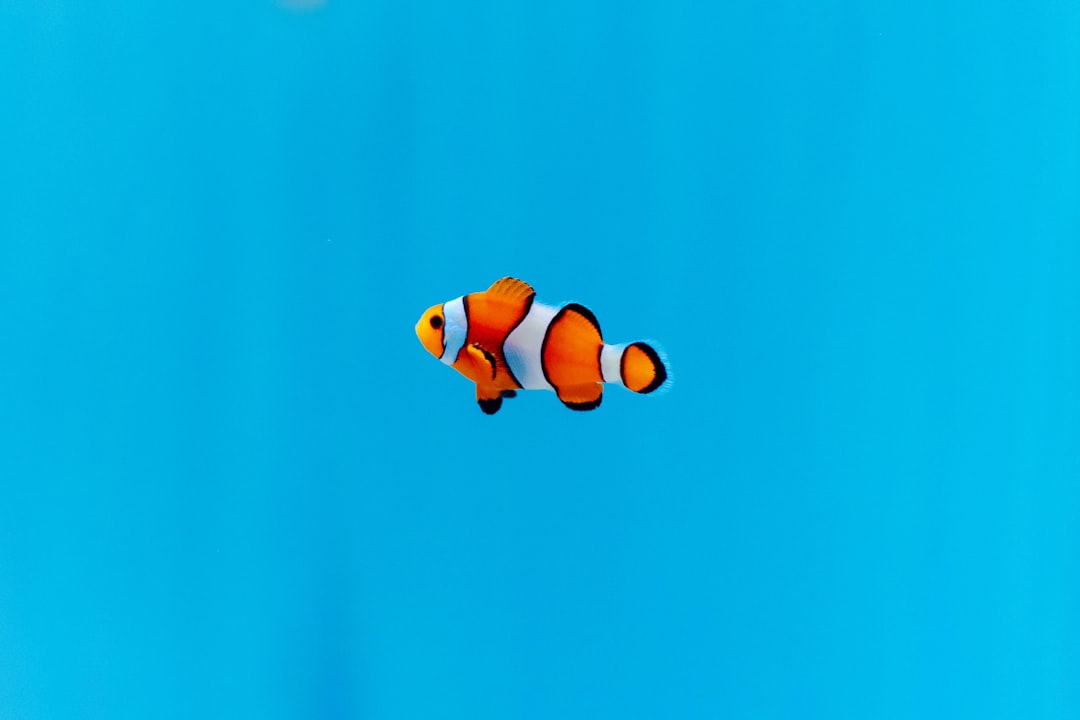
I separated the six smallest into a breeder box. They grew slower in there — less space, less food competition — but at least they stopped getting picked on. The rest sorted themselves out over the next week. By week six, I had 22 fish that all looked like normal juvenile ocellaris: orange bodies, three white bars, black edges on the fins. They were about half an inch long and fearless. When I’d put my hand in the tank to clean the glass, they’d swim right up to my fingers.
I sold 18 of them to Dave for store credit. He’d been buying wild-caught ocellaris from a wholesaler in Florida for $12 each. My tank-raised ones were healthier — no parasites, no shipping stress — and he could sell them for $25. He took the whole batch in one go. I kept four for myself, including the original pair and two of their offspring that I wanted to see if I could raise to breeding size.
The Real Cost of a Single Fish
People ask me if it’s cheaper to breed your own clownfish. The answer is no. Not even close. The rotifer culture equipment, the phytoplankton lighting, the brine shrimp hatchery, the extra heater, the backup heater, the test kits I went through — I spent maybe $400 before I had a single fish to sell. The frozen foods alone were $60 a month. And that’s not counting the electricity for the lights and pumps in the garage, or the hours I spent monitoring water parameters.
The pair is still laying eggs every two weeks. The current batch is on day five. I can see the eye spots. I’ve already started the rotifer culture. The brine shrimp eggs are in the freezer. The garage smells like Nannochloropsis again. My wife didn’t park in the garage this morning.
📷 Photos: SLNC (Unsplash), Daniel Pelaez Duque (Unsplash)