The Impact of Total Dissolved Solids on Crystal Shrimp Tanks
Introduction to Total Dissolved Solids in Crystal Shrimp Tanks
Establishing a high-grade crystal shrimp tank requires meticulous attention to detail, particularly when it comes to water chemistry. One crucial aspect of water chemistry is the balance of total dissolved solids (TDS), which can significantly impact the health and well-being of your shrimp. In this article, we will delve into the world of TDS balances and explore their impact on crystal shrimp tanks, providing you with actionable tips and expert guidance to help you create a thriving environment for your aquatic friends.
TDS refers to the total amount of dissolved substances in water, including minerals, salts, and other inorganic compounds. These substances can originate from various sources, such as water treatments, food, and even the tank’s equipment. A balanced TDS level is essential for maintaining optimal water quality and ensuring the health of your shrimp. Imbalances in TDS can lead to a range of issues, including stress, disease, and even death.
Understanding the Importance of TDS Balances
So, why is TDS balance so critical in crystal shrimp tanks? The answer lies in the shrimp’s biology and the delicate ecosystem of the tank. Shrimp are highly sensitive to changes in their environment, and TDS imbalances can disrupt the balance of their bodily functions. For example, if the TDS level is too high, it can cause osmotic stress, leading to dehydration and other health issues. On the other hand, if the TDS level is too low, it can lead to a lack of essential minerals and salts, compromising the shrimp’s overall health.
A balanced TDS level also plays a crucial role in maintaining the tank’s ecosystem. It affects the growth and development of beneficial bacteria, which are essential for breaking down waste and maintaining water quality. Additionally, a stable TDS level helps to prevent the proliferation of harmful bacteria and algae, which can quickly colonize the tank and cause problems.
Historical Context: The Evolution of TDS Management in Aquaculture
The importance of TDS balance in aquaculture has been recognized for decades. In the early days of aquarium-keeping, hobbyists relied on trial and error to manage their tank’s water chemistry. However, as the hobby evolved, so did our understanding of the importance of TDS balance. Today, we have a wealth of knowledge and tools at our disposal to help us manage TDS levels and create optimal environments for our aquatic friends.
One of the key milestones in the evolution of TDS management was the development of modern water testing equipment. With the advent of digital testing kits and other advanced tools, hobbyists can now accurately measure TDS levels and make informed decisions about their tank’s water chemistry. This has revolutionized the way we manage TDS balances and has enabled us to create more stable and healthy environments for our shrimp.
Guidelines for Establishing Optimal TDS Balances
So, how do you establish optimal TDS balances in your crystal shrimp tank? Here are some actionable tips to get you started:
- Monitor TDS levels regularly: Use a digital testing kit to monitor TDS levels regularly, ideally daily. This will help you identify any changes in the tank’s water chemistry and make adjustments as needed.
- Use a high-quality water conditioner: A good water conditioner can help to remove impurities and stabilize the tank’s water chemistry. Look for a conditioner that is specifically designed for freshwater aquariums and follows the manufacturer’s instructions for use.
- Perform regular water changes: Regular water changes are essential for maintaining optimal TDS balances. Aim to change 10-20% of the tank’s water weekly, using a gravel vacuum to remove debris and waste.
- Avoid overfeeding: Overfeeding can lead to a buildup of waste and excess nutrients, which can disrupt the tank’s TDS balance. Feed your shrimp sparingly, only providing what they can consume within a few minutes.
- Use a TDS meter: A TDS meter is a handy tool that can help you monitor TDS levels in real-time. Look for a meter that is specifically designed for aquarium use and follow the manufacturer’s instructions for calibration and use.
Expert Case-Study: Managing TDS Balances in a High-Tech Shrimp Tank
In a recent case study, a seasoned aquarist successfully managed TDS balances in a high-tech shrimp tank using a combination of advanced equipment and careful monitoring. The tank was equipped with a state-of-the-art filtration system, a digital testing kit, and a TDS meter. The aquarist performed regular water changes, monitored TDS levels daily, and made adjustments as needed to maintain optimal balances.
The results were impressive, with the shrimp thriving in their environment. The tank’s water chemistry remained stable, with TDS levels fluctuating within a narrow range. The aquarist reported a significant reduction in stress and disease, with the shrimp displaying vibrant colors and active behavior.
Common Challenges and Solutions
Managing TDS balances in a crystal shrimp tank can be challenging, especially for beginners. Here are some common challenges and solutions to help you overcome them:
- TDS levels are too high: If TDS levels are too high, it can cause osmotic stress and other health issues. To address this, perform a series of small water changes, using a gravel vacuum to remove debris and waste. You can also use a water conditioner to help stabilize the tank’s water chemistry.
- TDS levels are too low: If TDS levels are too low, it can lead to a lack of essential minerals and salts. To address this, add a small amount of a high-quality mineral supplement to the tank, following the manufacturer’s instructions for use. You can also use a TDS meter to monitor levels and make adjustments as needed.
- Algae growth is excessive: Excessive algae growth can be a sign of TDS imbalances. To address this, reduce the amount of food you’re providing, increase water circulation, and consider adding a algae-controlling supplement to the tank.
TDS Management in Different Types of Shrimp Tanks
TDS management can vary depending on the type of shrimp tank you’re keeping. Here are some tips for managing TDS balances in different types of tanks:
- Nano tanks: Nano tanks require careful TDS management due to their small size. Use a digital testing kit to monitor TDS levels regularly, and perform small water changes as needed to maintain optimal balances.
- Community tanks: Community tanks can be more challenging to manage, as different species have different TDS requirements. Research the specific needs of each species and use a combination of water conditioners and TDS meters to maintain optimal balances.
- Breeding tanks: Breeding tanks require precise TDS management to ensure the health and success of the breeding program. Use a combination of advanced equipment and careful monitoring to maintain optimal TDS balances and provide a healthy environment for your shrimp.
Conclusion and Future Directions
In conclusion, managing TDS balances is a critical aspect of establishing a high-grade crystal shrimp tank. By understanding the importance of TDS balances, monitoring levels regularly, and making adjustments as needed, you can create a thriving environment for your shrimp. Remember to stay up-to-date with the latest research and advancements in TDS management, and don’t be afraid to experiment and try new approaches to optimize your tank’s water chemistry.
As you continue on your journey in the world of crystal shrimp keeping, we encourage you to stay curious, keep learning, and share your experiences with others. With dedication and the right knowledge, you can create a truly exceptional shrimp tank that will provide you with hours of enjoyment and fascination. So, what are you waiting for? Start exploring the world of TDS management today and discover the secrets to creating a thriving crystal shrimp tank!
Call to Action: Join the Conversation
Have you had success with managing TDS balances in your crystal shrimp tank? Share your experiences and tips with us in the comments below! We’d love to hear about your journey and learn from your expertise. Join the conversation and become part of a community of passionate aquarists who are dedicated to creating exceptional environments for their aquatic friends.
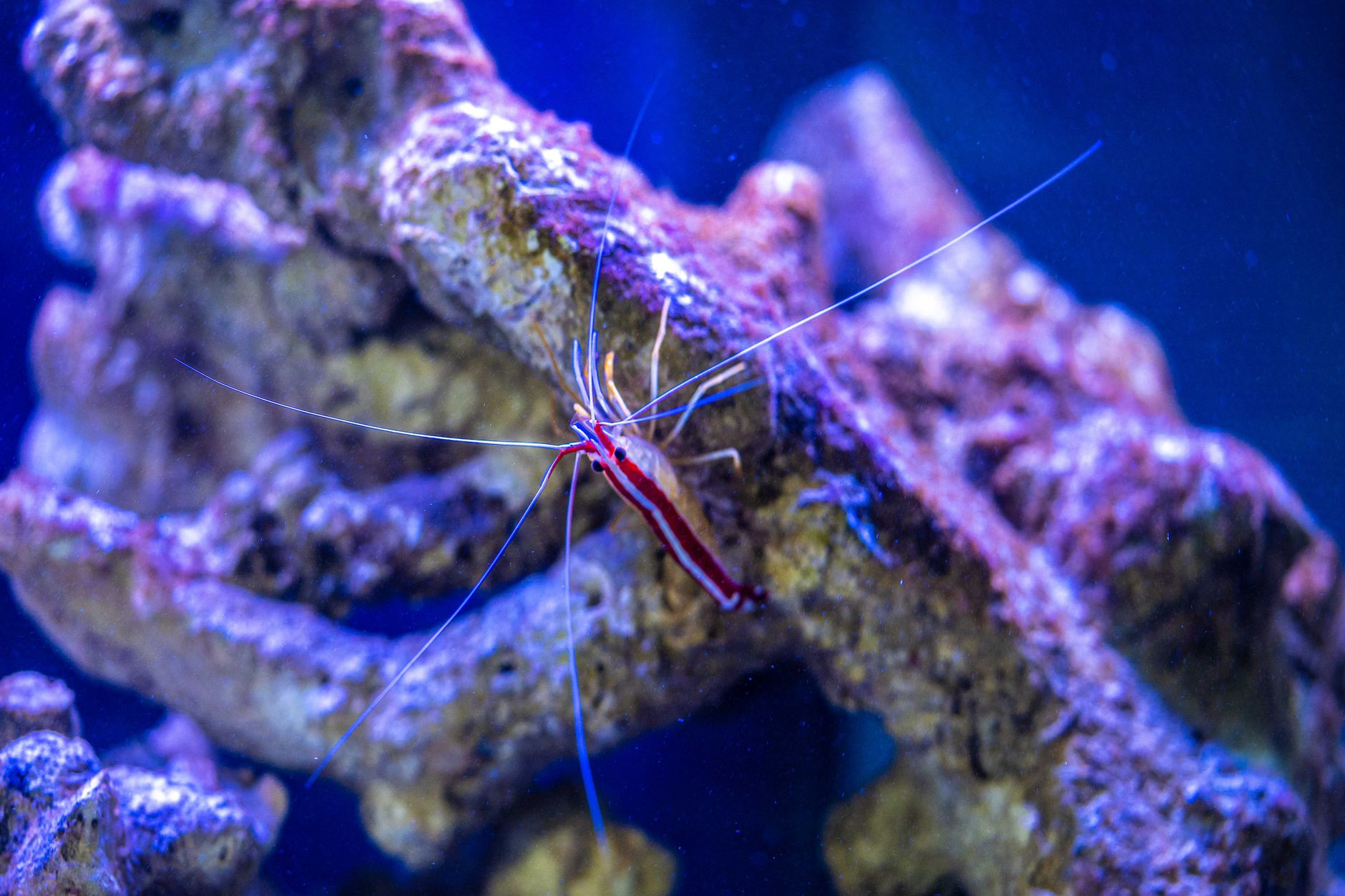
Photo by Sean McSeveney (via Pexels)