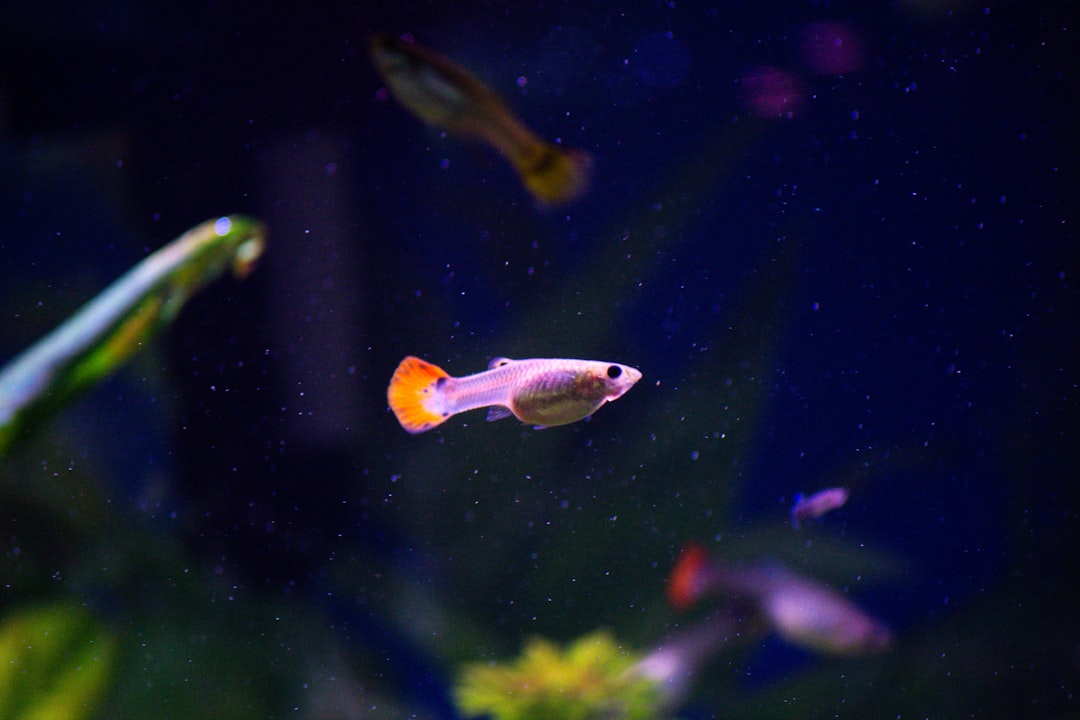
Caring for Sensitive Fish: The Dwarf Gourami Guide
Caring for Sensitive Fish: The Dwarf Gourami Guide
When it comes to keeping dwarf gourami as pets, it’s essential to understand their specific needs and requirements. As a sensitive fish species, they demand careful attention to their environment, diet, and health. In this article, we will delve into the world of dwarf gourami care, covering topics such as tank setup, water parameters, and common health issues. With the right knowledge and equipment, you can create a thriving environment for your dwarf gourami to flourish. Fish care and aquarium maintenance are crucial aspects of keeping these beautiful fish healthy and happy.
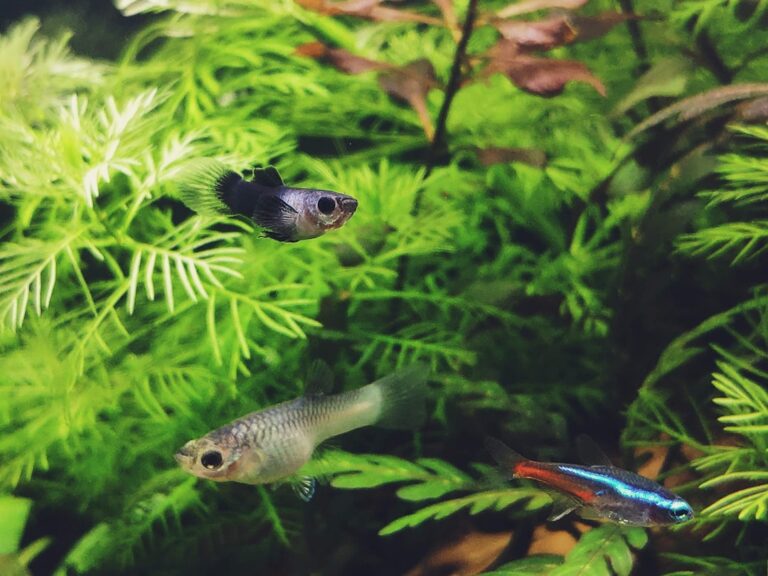
To get started, it’s vital to choose the right tank for your dwarf gourami. A minimum tank size of 10 gallons is recommended, with plenty of hiding places and plants to provide shelter and reduce stress. When selecting tankmates, it’s best to avoid fin-nipping fish and other aggressive species that may harass your dwarf gourami. Some suitable tankmates include neon tetras, harlequin rasboras, and lemon tetras. By creating a peaceful and stable environment, you can help your dwarf gourami feel secure and thrive.
Understanding Dwarf Gourami Behavior
Dwarf gourami are known for their unique personalities and fascinating behavior. They are naturally territorial and can be quite aggressive during mating season. To minimize aggression, it’s recommended to keep only one male dwarf gourami per tank, as they can be quite feisty with each other. Female dwarf gourami, on the other hand, are generally more peaceful and can be kept in small groups. By understanding their behavior and social structure, you can create a harmonious and balanced aquarium environment.
Another crucial aspect of dwarf gourami care is their diet. They are omnivores and require a varied diet that includes both plant and animal matter. A high-quality commercial flake food can be used as the main staple, supplemented with live or frozen foods such as brine shrimp and bloodworms. It’s also essential to provide plenty of vegetable matter, such as spirulina or peas, to ensure a balanced diet.
Water Parameters and Quality
Water parameters play a critical role in the health and well-being of your dwarf gourami. They prefer warm, slightly acidic water with a pH range of 6.8-7.8 and a temperature range of 72-82°F (22-28°C). It’s essential to maintain stable water parameters and perform regular water changes to prevent the buildup of toxins and waste products. A good rule of thumb is to change 10-15% of the tank water weekly, using a gravel vacuum to remove debris and waste.
In addition to regular water changes, it’s also important to monitor water quality parameters such as ammonia, nitrite, and nitrate levels. A good quality water test kit can help you identify any potential issues and take corrective action before they become major problems. By maintaining optimal water parameters and quality, you can help prevent disease and ensure the long-term health of your dwarf gourami.
Common Health Issues in Dwarf Gourami
Dwarf gourami are prone to certain health issues, including fin rot, ich, and swim bladder disease. Fin rot is a common bacterial infection that can be caused by poor water quality or injury to the fins. Ich, also known as white spot disease, is a parasitic infection that can be treated with medication and improved water quality. Swim bladder disease, on the other hand, is a condition that affects the fish’s ability to swim and maintain its balance.
To prevent these health issues, it’s essential to maintain good water quality, provide a balanced diet, and ensure that your dwarf gourami are not stressed or injured. Regular monitoring of your fish and their environment can help you identify potential problems early on, allowing you to take corrective action and prevent more serious issues from developing.
Tips for Breeding Dwarf Gourami
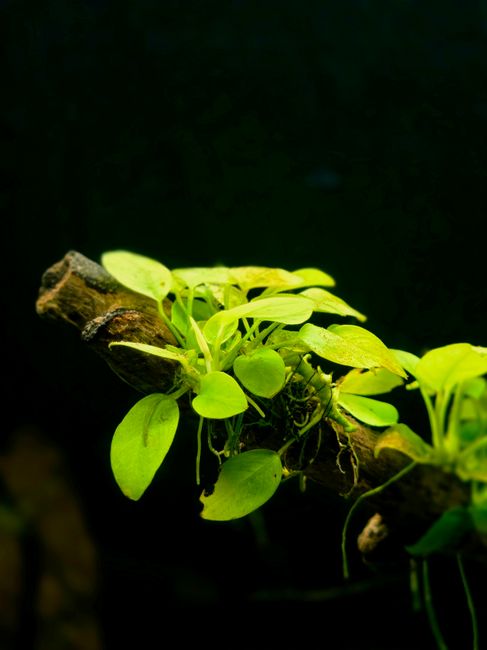
For experienced aquarists, breeding dwarf gourami can be a rewarding and challenging experience. To breed dwarf gourami, you will need to set up a separate breeding tank with a ratio of one male to two or three females. The breeding tank should be decorated with plants and other hiding places to provide shelter and reduce stress. A spawning substrate such as a moss or java fern can also be added to the tank to provide a surface for the eggs to adhere to.
Once the breeding tank is set up, you can introduce the male and female dwarf gourami and wait for them to spawn. The male will build a nest using plant material and bubbles, and the female will lay her eggs in the nest. After spawning, the male will guard the eggs and fry, and you can remove the female from the tank to prevent her from being harassed. With proper care and attention, the eggs will hatch after 24-48 hours, and the fry will be free-swimming after 3-5 days.
The Road to Successful Dwarf Gourami Keeping
Keeping dwarf gourami as pets can be a rewarding and enjoyable experience, but it requires careful attention to their specific needs and requirements. By understanding their behavior, diet, and health issues, you can create a thriving environment for your dwarf gourami to flourish. With the right equipment, knowledge, and experience, you can become a successful dwarf gourami keeper and enjoy the beauty and fascination of these unique and captivating fish.
As you embark on your dwarf gourami keeping journey, remember to stay patient, observant, and dedicated to providing the best possible care for your fish. With time and practice, you will develop the skills and knowledge needed to create a thriving and balanced aquarium environment that will bring you joy and satisfaction for years to come. Until next time, happy fish keeping!
📷 Photos: Diogo Cardoso (Unsplash), Jerry Wang (Unsplash)