The Night I Smelled My Tank Before I Saw It
The Night I Smelled My Tank Before I Saw It
I was three weeks in, and the water in my 40-gallon looked like someone had brewed tea with gravel. That’s when the phone rang. My supplier—a guy named Darren who runs a shop out of a garage in an industrial park—said the rock had arrived. “It’s not cured,” he said, “but you said you wanted to do it yourself.”
I’d read the forums. Everybody says curing live rock is easy. Put it in a tub, wait, done. Nobody tells you about the smell.
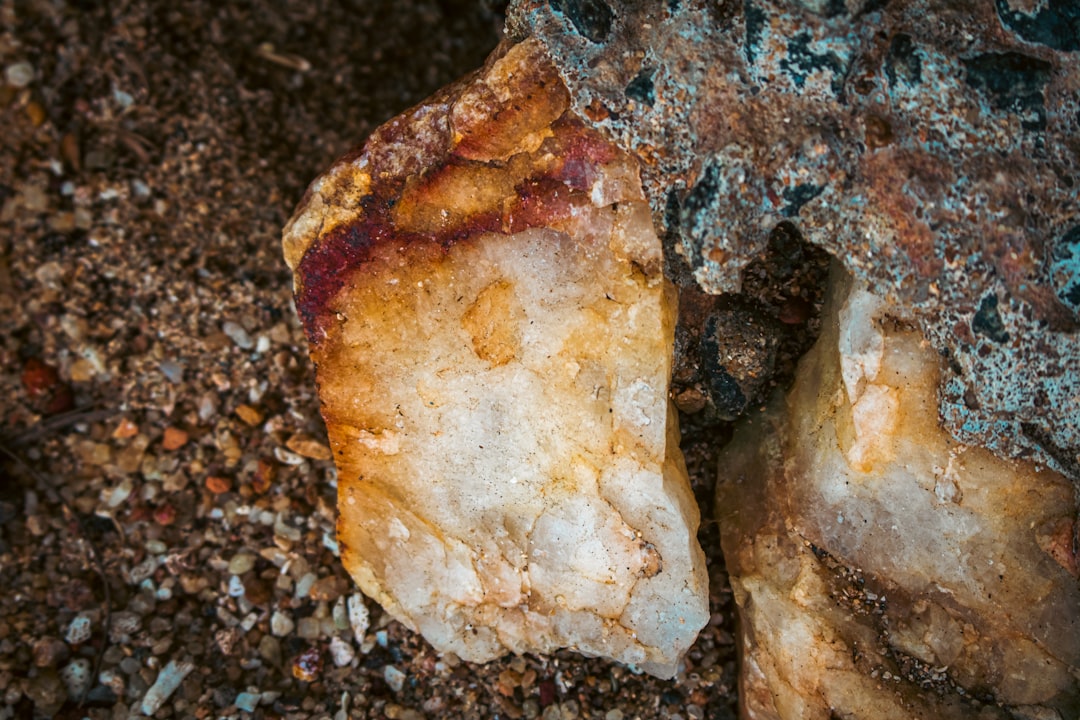
I drove over at 7 PM on a Tuesday in late September. It was still warm out—maybe 78°F—and the garage was lit by one bare bulb. Darren had the rock stacked on a pallet wrapped in wet newspaper. It was Fiji rock, about 40 pounds, and it looked like something dredged up from a shipwreck. Gray, brown, some pink coralline patches that were already bleaching at the edges. The smell when he peeled back the paper was low tide at noon in August—not rotten yet, but getting there.
“Take it home tonight,” he said. “Rinse it in saltwater, not fresh. Fresh will kill everything still alive on it.” He charged me $4.50 a pound, which was cheap even then, and threw in a bag of salt mix because I looked green.
The Garage Setup That Almost Worked
I didn’t have a proper curing tank. What I had was a 50-gallon Rubbermaid stock tank from Tractor Supply—$38.99, plus tax—that I’d bought for mixing water changes and never used. I set it up in the corner of the garage, next to the water heater, because the garage stays around 74°F at night in fall and that’s close enough to reef temp if you don’t mind a little drift.
I filled it with RO/DI water I’d been making for two days straight. Five buckets, each one taking about 45 minutes to produce. I mixed in the salt—Instant Ocean, nothing fancy—and let it circulate with a powerhead I’d had sitting in a bucket for two years. A Maxi-Jet 1200. It still worked, somehow.
The rock went in piece by piece. I was wearing rubber gloves by the third piece because the texture—all those crevices and dead barnacles—was rough enough to take skin off. The water went from clear to beige to a brown I could see even in the dim garage light. The powerhead churned it up and the smell hit me. Not ammonia. Not yet. Just the smell of something that had been alive recently and was now mostly dead.
I put a lid on the stock tank—just a piece of plywood with a cinderblock on top—and walked away for the night.
What I Should Have Done Instead
That first 24 hours, nothing happened. No ammonia spike, no smell worse than what I’d started with. I thought I was lucky. I checked the water the next evening and the ammonia was barely 0.25 ppm. I figured the die-off was minimal. I was wrong.
Day three, the ammonia hit 2.0 ppm. Day four, it was off the API test kit’s scale—the dark green that means “5.0+” and your test tube looks radioactive. The smell had changed. It was thick and sweet, like something rotting with a layer of seawater on top. I opened the garage door and let it air out for an hour, but the smell stuck. It got into the drywall. My wife came out the next morning and said “Are you making compost in there?”
The mistake was the rock itself. Darren’s shipment had been delayed by customs—three days in a box on a tarmac in LA, then another day on a truck. By the time I got it, the sponge growth, the little worms, the tiny crabs—all of it was dead. That’s what was rotting in my garage. The ammonia spike wasn’t from the rock’s surface bacteria dying. It was from everything on the rock dying all at once.
I should have asked how long the rock had been in transit. If I’d known it was five days from Fiji to my driveway, I would have prepped differently—a bigger container, better ventilation, maybe even outside in a kiddie pool.
The Day the Skimmer Saved My Sanity
By day six, I was running two powerheads in the stock tank and a cheap HOB protein skimmer I’d borrowed from a friend. The skimmer was a Coralife Super Skimmer 65, which is not a great skimmer, but it was doing something. The cup filled with dark green sludge every 12 hours. I emptied it into an old pickle jar and kept going.
I did a 50% water change on day seven. That was the turning point. The ammonia dropped to 1.0 ppm, and the smell went from “rotting harbor” to “low tide.” Still bad, but survivable. I did another 50% change on day nine, and by day twelve the ammonia was at zero. Nitrite was high—4.0 ppm—but that’s just waiting.
I remember sitting in the garage on day fourteen, reading the nitrite test under the bare bulb, and seeing it finally hit zero. The water was still cloudy, but it was the kind of cloudy that comes from fine sediment, not death. I put my hand in the tank and moved a piece of rock. A few bristle worms poked out—red ones, about an inch long. They’d survived. That felt like a win.
The Boring Work That Actually Mattered
What nobody tells you about curing rock is that the interesting part—the ammonia spike, the die-off, the dramatic stink—only lasts about a week. After that, it’s just maintenance. Water changes every three days. Testing. Waiting. Watching the coralline algae slowly come back as pink spots on the gray rock.
I kept the tank in the garage for five weeks total. Long enough that the water cleared, the smell faded to nothing, and the rock started developing a purple film—new coralline growth. I moved the rocks into my display tank one at a time over two days, using a bucket and a lot of swearing. Each piece had to be rinsed in fresh saltwater to knock off any loose sediment. The garage floor was a mess of salt creep and splashes.
What I’d Tell Anyone Starting This Tomorrow
The whole thing cost me about $220 for the rock, $40 for extra salt, and $15 for a box of nitrile gloves I went through in two weeks. The time cost was bigger—roughly two hours a week for five weeks just on water changes and testing. But what I got was rock that had zero pests, zero unwanted aptasia, and a bacterial population that kicked my display tank’s cycle into overdrive inside a week.
I’d do it again, but I’d do it differently. I’d set up the curing tank in a room with a window I could open. I’d use a bigger container—80 gallons instead of 50—because the buffer volume makes ammonia spikes less severe. I’d run two protein skimmers if I had them, because one small skimmer working against a 5.0 ppm ammonia load is laughable. And I’d ask the supplier how fresh the rock was before I committed.
But the thing that surprised me most was how much I didn’t mind the smell after the first week. It became a marker, a way to know the process was working. When the ammonia was high, the smell was sharp. When it dropped, the smell softened. When it was gone, the rock smelled like nothing but saltwater.
I moved the stock tank to the driveway last week and hosed it out. The water ran brown for a minute, then clear. I dried it in the sun and put it back in the garage, upside down on a shelf, in case I ever need it again. I won’t forget the smell, but I also won’t forget sitting there on day eighteen, watching a hermit crab—one that had hitchhiked in on the rock and survived the whole thing—climb up a piece of dead coral and sit at the waterline, waving its legs at the air.
The garage still smells a little, even now. My wife says it’s the concrete. I think it’s the memory of all those dead things becoming part of something alive again.
📷 Photos: Zoshua Colah (Unsplash), James Lee (Unsplash)