Introduction to Mangrove Aquariums
Introduction to Mangrove Aquariums
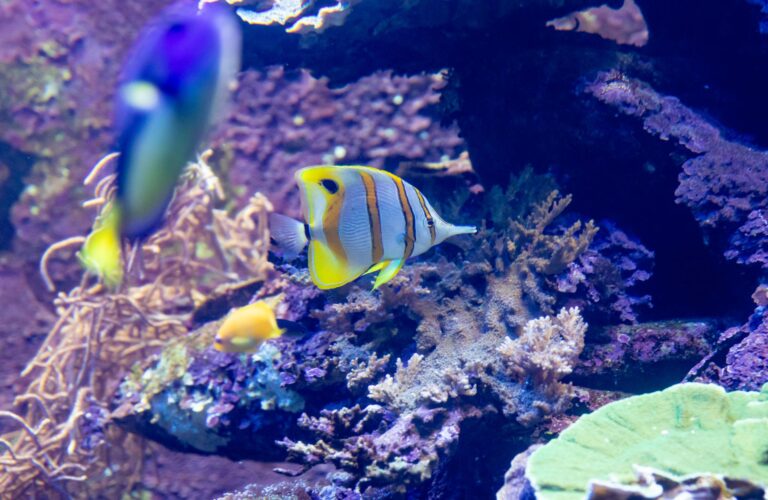
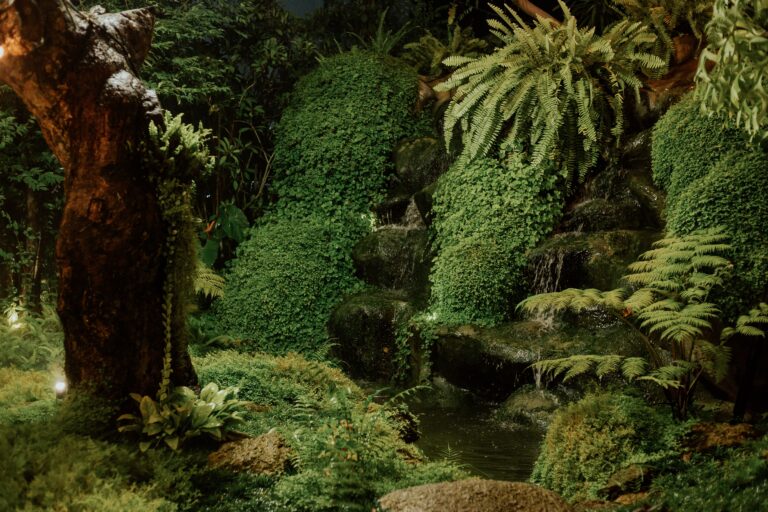
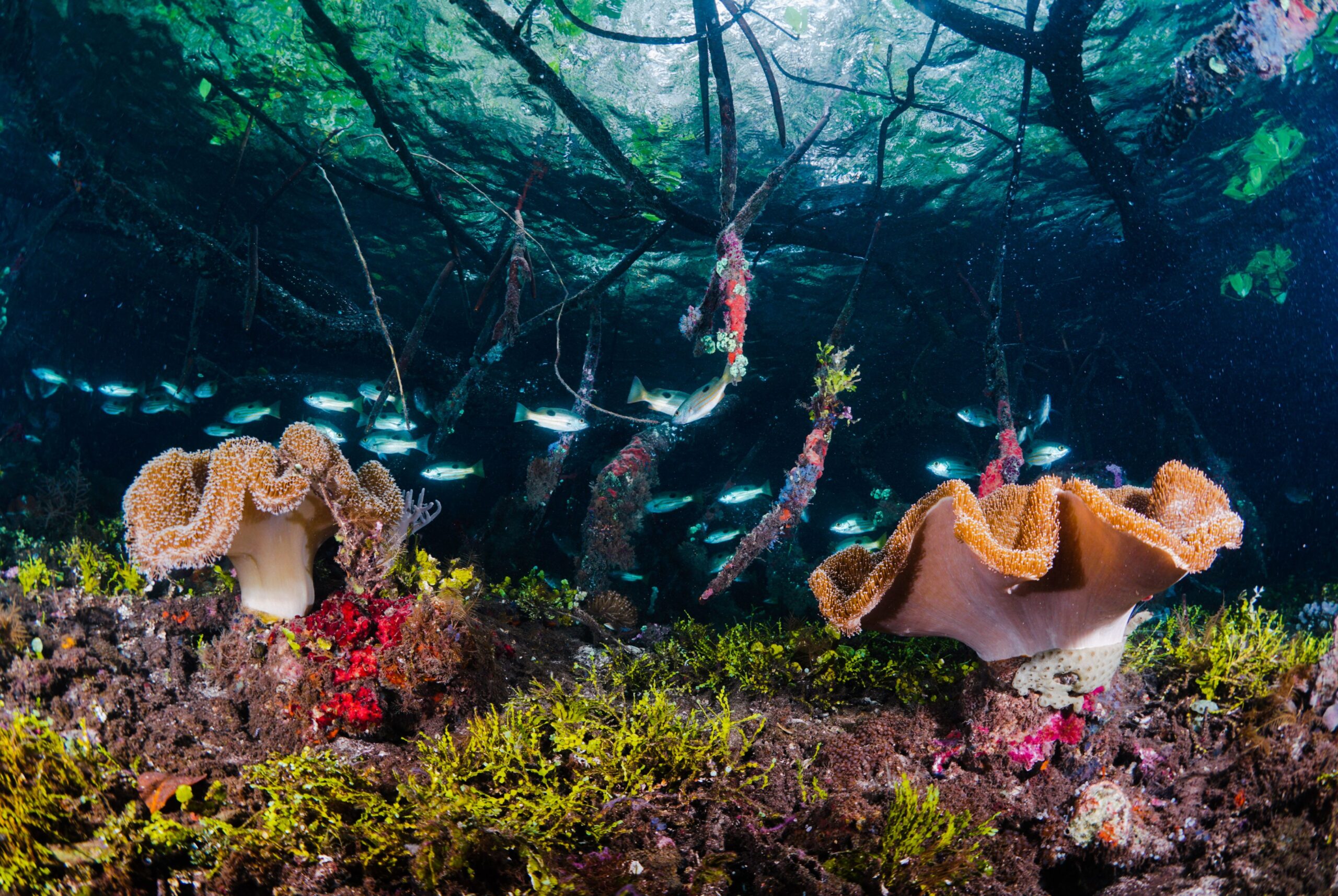
Mangrove aquariums are a unique and fascinating way to keep fish, with the mangrove ecosystem providing a natural and self-sustaining environment. When setting up a mangrove aquarium, it’s essential to consider the specific needs of the plants and animals that will be inhabiting it. The main keyword for this type of aquarium is mangrove aquarium, and related keywords include saltwater aquarium, brackish water aquarium, and aquatic plants. To create a thriving mangrove aquarium, you’ll need to choose the right equipment, including a suitable tank size, lighting, and filtration system.
Choosing the Right Equipment
When selecting equipment for your mangrove aquarium, consider the size of the tank and the type of fish and plants you plan to keep. A minimum tank size of 55 gallons is recommended, with a length of at least 48 inches to provide ample space for the mangroves to grow. In terms of lighting, LED lights are a popular choice, as they provide a natural day-night cycle and promote healthy plant growth. For filtration, a high-quality canister filter or wet/dry filter is recommended, as they provide excellent water quality and can handle the unique demands of a mangrove aquarium.
Substrate and Decorations
The substrate and decorations you choose for your mangrove aquarium can greatly impact the health and well-being of your fish and plants. A deep sand bed of at least 2-3 inches is recommended, as it provides a stable environment for the mangroves to root and helps to maintain good water quality. Decorations such as live rocks and driftwood can also be added to provide hiding places and visual interest. When choosing decorations, be sure to select items that are safe for use in a saltwater or brackish water aquarium.
Setting Up the Mangrove Ecosystem
Once you have chosen your equipment and substrate, it’s time to set up the mangrove ecosystem. This involves planting the mangroves, adding fish and invertebrates, and establishing a natural balance of microorganisms. To plant the mangroves, simply bury the roots in the sand bed, making sure to leave enough space for the plants to grow. Fish and invertebrates can be added once the tank is cycled and stable, with popular choices including mangrove crabs, snails, and small fish species.
Cycling the Tank
Cycling the tank is a critical step in setting up a mangrove aquarium, as it allows the microorganisms to establish themselves and provides a stable environment for the fish and plants. To cycle the tank, add a source of ammonia, such as fish food or a commercial ammonia supplement, and monitor the water parameters closely. This process can take several weeks, but it’s essential for the long-term health and success of the aquarium.
Maintenance and Care
Once the tank is cycled and the mangrove ecosystem is established, it’s essential to provide regular maintenance and care. This includes regular water changes, monitoring water parameters, and pruning the mangroves to maintain their health and promote new growth. A good quality water test kit is also essential, as it allows you to monitor the water parameters and make adjustments as needed.
Troubleshooting Common Issues
Despite proper care and maintenance, issues can still arise in a mangrove aquarium. Common problems include algae blooms, pH swings, and disease outbreaks. To troubleshoot these issues, identify the cause and take corrective action, such as adjusting the lighting or water parameters, or treating the fish and plants with a commercial remedy.
The Road Ahead
Setting up a mangrove aquarium is just the beginning of an exciting and rewarding journey. As you gain experience and confidence, you can start to experiment with new species, try different planting techniques, and explore the many possibilities of this unique and fascinating ecosystem. With proper care and attention, your mangrove aquarium can thrive for years to come, providing a beautiful and captivating display of nature’s beauty. So why not start your journey today, and see where the road ahead takes you? Until next time, happy fish keeping!