Setting Up a Thriving Reef Aquarium: A Comprehensive Guide to Lighting, Flow, and Water Quality
Setting Up a Thriving Reef Aquarium: A Comprehensive Guide to Lighting, Flow, and Water Quality
When it comes to creating a stunning and healthy reef aquarium, lighting, flow, and water quality are the three crucial elements to focus on. A well-designed reef aquarium requires a delicate balance of these components to support the growth and well-being of your marine life. In this article, we’ll dive into the world of reef aquarium setup and explore the best practices for achieving optimal lighting, flow, and water quality for your underwater ecosystem.
As you embark on this journey, keep in mind that a reef aquarium is a complex system that requires careful planning, attention to detail, and a commitment to regular maintenance. With the right guidance, you can create a breathtakingly beautiful and thriving reef aquarium that will be the envy of all your friends and family. So, let’s get started and explore the essential components of a successful reef aquarium setup, including lighting for reef aquariums, water flow, and water quality management.
Understanding the Importance of Lighting in a Reef Aquarium
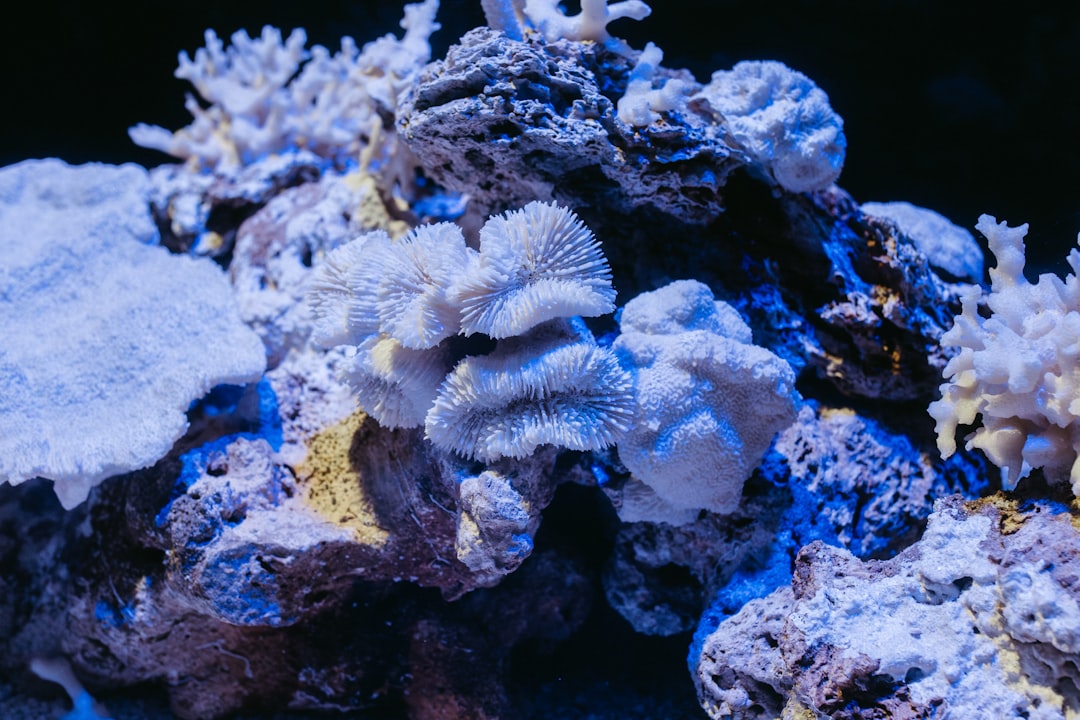
Lighting is one of the most critical components of a reef aquarium, as it provides the energy required for photosynthesis to occur. Without adequate lighting, your corals and other photosynthetic organisms will struggle to survive, let alone thrive. When selecting lighting for your reef aquarium, consider the following factors: intensity, spectrum, and duration. LED lighting is a popular choice among reef aquarium enthusiasts, as it offers high intensity, a wide spectrum, and energy efficiency.
When it comes to lighting intensity, it’s essential to provide the right amount of light for your specific coral species. Some corals, such as soft corals, require lower light levels, while others, like SPS corals, demand higher intensities. A good rule of thumb is to start with lower light levels and gradually increase the intensity as your corals become more established. Additionally, consider using lighting controllers to simulate a natural day-night cycle, which will help regulate the circadian rhythms of your marine life.
Choosing the Right Lighting Spectrum
The lighting spectrum you choose will also have a significant impact on the health and appearance of your corals. A balanced spectrum that includes a mix of blue, red, and green light will promote healthy coral growth and enhance their natural colors. Some LED lighting systems also include UV and infrared components, which can help to stimulate coral fluorescence and promote overall health.
When selecting a lighting system for your reef aquarium, look for products that offer a high level of adjustability and customization. This will allow you to fine-tune the lighting to meet the specific needs of your corals and create a unique and visually stunning display.
Creating Optimal Water Flow in Your Reef Aquarium
Water flow is another critical component of a healthy reef aquarium. Adequate water flow helps to prevent the buildup of detritus, promotes healthy coral growth, and supports the overall circulation of nutrients and oxygen. When designing your reef aquarium, consider using a combination of powerheads, return pumps, and circulation pumps to create a diverse range of water flows and currents.
A good rule of thumb is to aim for a minimum of 10-20 times the tank’s volume in water flow per hour. This will help to create a dynamic and diverse environment that supports the health and well-being of your marine life. Additionally, consider using flow meters to monitor and adjust the water flow in your tank, ensuring that it remains within the optimal range for your specific coral species.
Using Powerheads to Enhance Water Flow
Powerheads are a popular choice for creating water flow in reef aquariums, as they offer a high level of adjustability and customization. By directing the output of your powerheads in different directions, you can create a range of water flows and currents that support the health and well-being of your corals. Some powerheads also include features like adjustable flow rates and programmable modes, which allow you to tailor the water flow to meet the specific needs of your marine life.
When using powerheads in your reef aquarium, be sure to position them in a way that creates a diverse range of water flows and currents. This will help to prevent the buildup of detritus and promote healthy coral growth, while also supporting the overall circulation of nutrients and oxygen.
Maintaining Optimal Water Quality in Your Reef Aquarium
Water quality is the third critical component of a healthy reef aquarium. Regular water changes, proper filtration, and careful monitoring of water parameters are all essential for maintaining optimal water quality. When it comes to water changes, aim to replace at least 10-15% of the tank’s volume on a weekly basis, using a high-quality water filter to remove impurities and excess nutrients.
In addition to regular water changes, it’s also essential to monitor the water parameters in your reef aquarium on a regular basis. This includes tracking pH, ammonia, nitrite, and nitrate levels, as well as alkalinity and calcium levels. By staying on top of these parameters, you can quickly identify any issues and take corrective action to maintain optimal water quality.
Using Filtration Systems to Maintain Water Quality
Filtration systems play a critical role in maintaining optimal water quality in your reef aquarium. A good filtration system should include a combination of mechanical, biological, and chemical filtration components, which work together to remove impurities and excess nutrients from the water. Some popular filtration options for reef aquariums include protein skimmers, carbon filters, and bio-reactors.
When selecting a filtration system for your reef aquarium, consider the specific needs of your marine life and the size of your tank. A good rule of thumb is to choose a filtration system that is rated for at least 2-3 times the volume of your tank, to ensure that it can handle the biological load and maintain optimal water quality.
Putting it All Together: Creating a Thriving Reef Aquarium
Creating a thriving reef aquarium requires careful attention to lighting, flow, and water quality. By following the guidelines outlined in this article, you can set up a stunning and healthy reef aquarium that will provide hours of enjoyment and fascination. Remember to stay flexible and be prepared to make adjustments as needed, as every reef aquarium is unique and requires a tailored approach.
As you continue on your reef aquarium journey, don’t be afraid to seek out advice and guidance from experienced hobbyists and professionals. Joining a reef aquarium community or seeking out online forums and resources can be a great way to connect with others who share your passion and learn from their experiences.
The One Last Thing
As you embark on the exciting journey of creating a thriving reef aquarium, remember that patience and persistence are key. Don’t be discouraged by setbacks or challenges – instead, use them as opportunities to learn and grow. With the right combination of lighting, flow, and water quality, you can create a breathtakingly beautiful and healthy reef aquarium that will be the centerpiece of your home for years to come. So, take a deep breath, dive in, and get ready to experience the beauty and wonder of a thriving reef aquarium.
📷 Photos: Jonathan Borba (Unsplash), David Clode (Unsplash)