
How to import tropical fish from Asia – a step‑by‑step permit and logistics guide
How to import tropical fish from Asia – a step‑by‑step permit and logistics guide
I still remember the thrill of my first fish import adventure like it was yesterday. I’d been dreaming of bringing home some of the most exotic tropical fish from Asia for years, and finally, I’d saved up enough money and planned out my trip. What I didn’t realize was just how complicated the process would be. From navigating complex permit systems to dealing with logistical nightmares, it was a wild ride – but one that ultimately taught me so much about the world of fish keeping.
Planning and Preparation
It all started with months of research and planning. I devoured every article, forum post, and YouTube video I could find on the subject, trying to get a sense of what I was getting myself into. I reached out to other fish keepers who’d made the journey before me, picking their brains for advice and insights. And of course, I had to get the necessary permits – which, let me tell you, was no easy feat. I spent hours on the phone with government agencies, trying to figure out exactly what I needed to do to bring my fish home safely and legally.
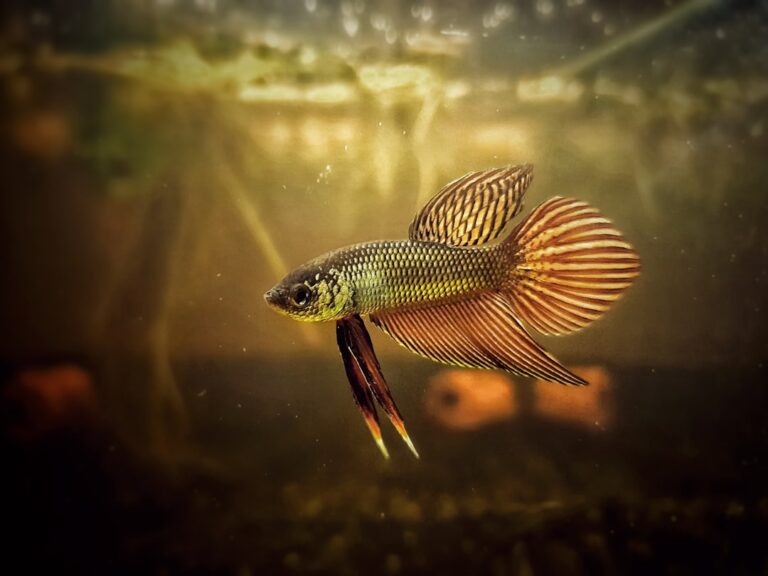
One of the most helpful people I met during this process was a local fish breeder named Kiet. I met him at a fish market in Bangkok, where he was selling some of the most stunning betta fish I’d ever seen. We struck up a conversation, and he offered to walk me through the permitting process – which, he warned me, could be “very complicated, very frustrating.” He wasn’t kidding. But with his help, I was eventually able to navigate the system and get all the necessary paperwork in order.
Obtaining the Necessary Permits
So, what exactly do you need to do to import tropical fish from Asia? First and foremost, you’ll need to obtain an import permit from your country’s relevant agency – in my case, the US Fish and Wildlife Service. This involves filling out a bunch of paperwork, paying some fees, and waiting for approval – which can take anywhere from a few days to several weeks, depending on the complexity of your application.
Once you’ve got your import permit, you’ll also need to obtain an export permit from the country where you’re buying the fish. This can be a bit trickier, as the regulations vary from country to country – and even from region to region within a country. I learned this the hard way when I tried to import some fish from a small town in rural Thailand, only to discover that the local authorities had their own set of rules and regulations that weren’t clearly posted anywhere.
Logistical Challenges
Of course, getting the permits is just the first step. Once you’ve got all your paperwork in order, you’ll need to figure out how to actually get the fish from the breeder or seller to your home aquarium. This can be a logistical nightmare, especially if you’re dealing with live animals that are sensitive to temperature, humidity, and other environmental factors.
I made the mistake of trying to ship my fish via a commercial airline, which turned out to be a disaster. The fish were delayed in transit, and by the time they arrived, several of them had died. It was a heartbreaking experience, and one that taught me the importance of working with a reputable shipping company that specializes in live animal transport.
These days, I always use a dedicated fish shipping service – which, yes, is more expensive, but totally worth it for the peace of mind that comes with knowing your fish are being handled by professionals who know what they’re doing.
Overcoming Frustration and Difficulty
Despite all the challenges, I wouldn’t trade my experience importing tropical fish from Asia for anything. It’s been a wild ride, full of twists and turns – but also full of incredible moments of beauty and wonder. Like the time I visited a fish farm in Malaysia and saw thousands of stunning discus fish swimming together in a massive tank. Or the time I met a local fish breeder in Indonesia who showed me his secret technique for breeding rare and exotic species.
One of the most surprising moments for me was when I visited a small fish market in Vietnam and saw the incredible variety of species on display. I’d never seen anything like it before – and I ended up spending hours browsing the stalls, talking to the sellers, and learning about the different types of fish they had on offer.
Kiet, the fish breeder I met in Bangkok, told me something that’s stuck with me to this day: “Fish keeping is not just about the fish – it’s about the people, the culture, the community.” He’s right, of course. This hobby is about so much more than just the animals themselves – it’s about the connections we make with others, the experiences we have, and the lessons we learn along the way.
A Word of Advice
If you’re thinking of importing tropical fish from Asia, my advice would be to do your research, be patient, and don’t be afraid to ask for help. It’s not always easy, and there will be times when you feel frustrated or overwhelmed – but the rewards are well worth it. And don’t be discouraged if things don’t go according to plan – because, let’s face it, they often don’t.
That’s the thing about travel – the best moments are the ones you never planned for. Safe travels, and I hope your journey is full of them.
📷 Photos: Robson Hatsukami Morgan (Unsplash), Matthew Stephenson (Unsplash)