How to get a 2025 import permit for Betta mahachaiensis approved — starting from rejection
How to get a 2025 import permit for Betta mahachaiensis approved — starting from rejection
The rejection letter arrived in a plain envelope, no watermark, no flourish — just a form letter with a checkbox next to “Incomplete or insufficient documentation regarding wild-collected vs. captive-bred origin.” The applicant, a hobbyist in the Pacific Northwest who had been keeping anabantoids for close to a decade, had assumed that buying from a reputable Thai exporter meant the paperwork was someone else’s problem. That assumption cost roughly eight weeks and $140 in nonrefundable application fees across two attempts.
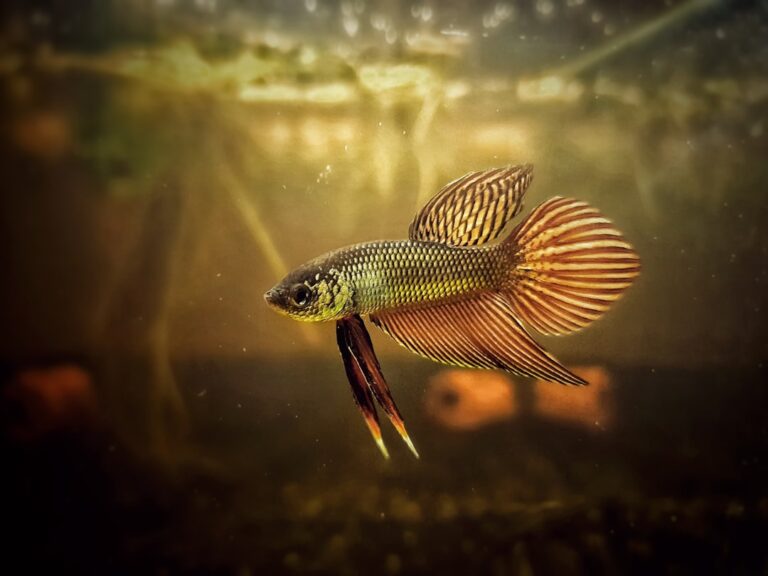
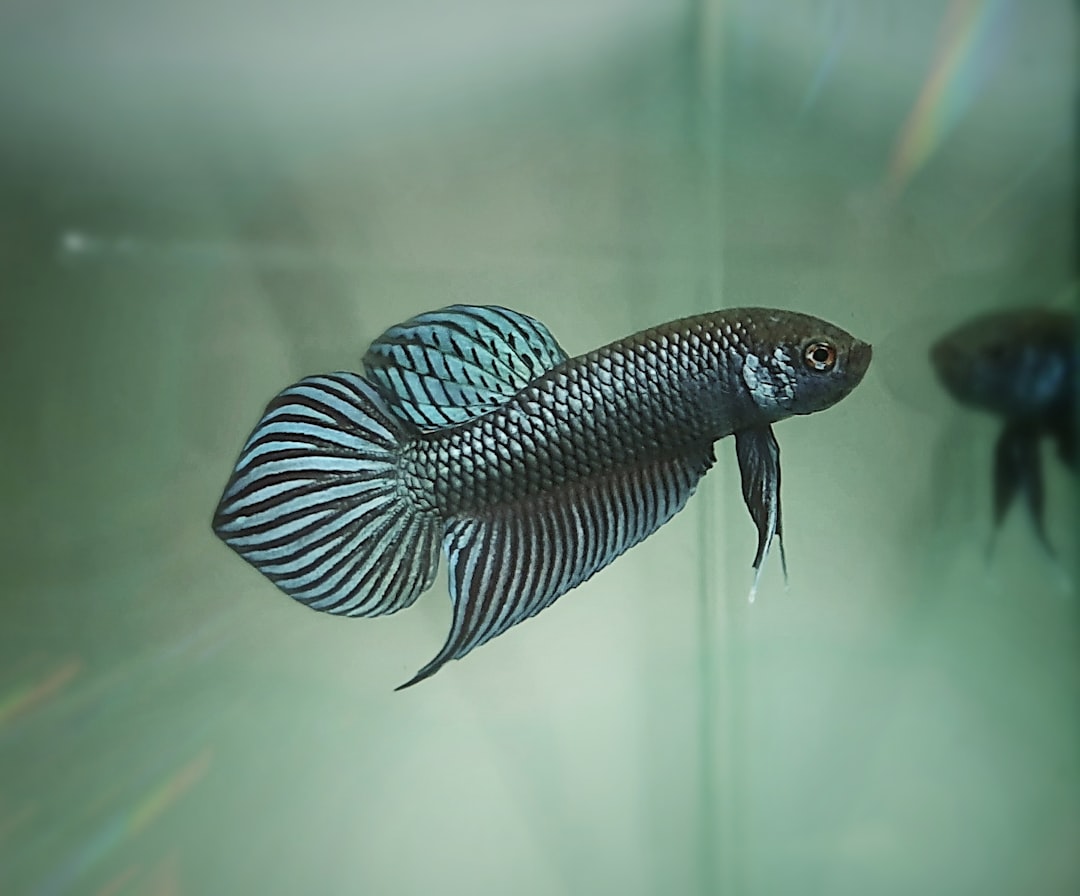
Betta mahachaiensis occupies a peculiar spot in the import world. It is not listed under CITES Appendix I or II — no special treaty protection. But it is classified by the IUCN as vulnerable, and several range countries including Thailand have tightened their own export controls in recent years. In practice, this means U.S. Fish and Wildlife Service inspectors treat every application for this species with a level of scrutiny usually reserved for actual protected wildlife.
The first application included a standard commercial invoice, a health certificate from the exporter’s veterinarian, and a brief note that the fish were “captive-bred.” That last detail, written on a single line, is what sank it.
What the rejection actually said
The notice from USFWS listed two specific deficiencies. First, the application lacked a “captive-bred origin affidavit” signed by the exporter and notarized by a Thai authority. Second, the health certificate did not include a statement that the fish had been examined for Batrachochytrium fungus — a pathogen that affects amphibians but that USFWS has increasingly flagged for any fish species exported from Southeast Asian facilities with mixed-species ponds.
Neither requirement was hidden. Both are described in the USFWS “Declarations for Importation of Live Fish” guidance document published in 2022. But the hobbyist had not read that document. The exporter’s sales page did not mention it. The freight forwarder brokering the shipment assumed the paperwork was standard.
This is the most common failure point for first-time imports of less common betta species: the assumption that an exporter who sells fish internationally must handle the documentation correctly. In reality, many Thai exporters are small operations — a series of concrete ponds behind someone’s house — and their experience with U.S. customs paperwork is limited to whatever worked last time for Betta splendens imports, which rarely face the same scrutiny.
Check three lists before any money moves
Before any money changes hands, the correct move is to check whether the species appears on any of three lists:
- CITES Appendices — search by scientific name at cites.org
- The USFWS Injurious Wildlife list — Betta mahachaiensis is not on it, but some other wild bettas are
- Thailand’s restricted export species list under the Wild Animal Reservation and Protection Act, which was updated in 2023 and now covers several wild betta species
If the species appears on any of these, assume a minimum 90-day lead time for permit processing. If it appears on none of them, the timeline is closer to 30 days — but the paperwork requirements may still be higher than expected if the fish is visually similar to a listed species. USFWS inspectors at major ports (LAX, JFK, SFO) will sometimes flag a shipment for additional documentation if they cannot visually confirm the species.
The captive-bred affidavit and the exporter who already had photos
The second application succeeded largely because of one document: a captive-bred origin affidavit signed by the exporter, witnessed by a local government official in the district where the breeding facility operates, and accompanied by photographs of the facility showing indoor tanks with clear water, filtration, and no soil or aquatic plants that would indicate collection from the wild.
The hobbyist eventually found an exporter willing to provide this — it took three attempts. Two refused. One said the request was “not normal.” The other said they could do it but wanted an additional $200 per box to cover the time needed to document the facility. The third exporter, a smaller operation in Samut Sakhon, already had photographs on file from a previous export to Japan, which requires similar documentation.
The affidavit itself is a simple one-page form. It must state:
- the full scientific name of the species
- the number of specimens
- a statement that all specimens were born and raised in captivity
- the name and signature of the facility owner
- a witness signature from a local official — a district officer or a fisheries department representative
No official template exists. The hobbyist wrote their own based on the USFWS sample affidavit for captive-bred wildlife, substituted the relevant species information, and sent it to the exporter for signature. This is not ideal — having the exporter use a local template is legally safer — but in practice, USFWS accepted it.
The health certificate that said three specific things
The first health certificate, issued by a Thai veterinarian, listed only “no external parasites or lesions.” The second included three specific statements, each required by USFWS for vulnerable species:
- Negative for Epistylis and Ichthyophthirius — common in wild-caught bettas
- No clinical signs of Mycobacterium marinum — a bacterial infection that can spread to humans and is a disqualifying condition for import
- Negative for Batrachochytrium dendrobatidis — the amphibian fungus that USFWS now treats as a proxy for poor biosecurity in mixed-species facilities
The hobbyist paid roughly $60 for the first certificate and $120 for the second, which required the veterinarian to visit the facility rather than examine the fish at a market. The exporter covered half the second fee after being shown the rejection notice.
The airway bill that listed the scientific name
A detail that caused a 48-hour delay: the first shipment’s airway bill listed the contents as “ornamental fish” without the scientific name. USFWS required an amended airway bill before releasing the shipment. The second attempt listed “Betta mahachaiensis (captive-bred)” on both the airway bill and the commercial invoice. This is not technically required by any regulation the hobbyist could find, but the broker handling clearance at LAX recommended it after seeing the pattern of rejections for this species.
What the whole process cost, start to finish
Two application fees at $70 each — $140
Health certificates — $180 total
Exporter documentation fee — $0 on the third exporter, would have been $200 on the second
Freight from Bangkok to LAX — $85 per box
Broker fee for customs clearance — $95
Shipping from LAX to final destination — $55 overnight
Total for the successful import: roughly $455 for 30 fish, not counting the cost of the fish themselves, which were $12 each. The first failed attempt added $140 in sunk costs.
Two dead fish and an unasked question about temperature
The fish arrived on a Tuesday evening. The shipment was cleared by customs by Wednesday morning, but the broker’s office did not process the release notification until Wednesday afternoon. The overnight courier picked up at 4:00 p.m. local time, which meant the fish sat in the broker’s warehouse for roughly 18 hours. Two of the thirty arrived dead.
The hobbyist had not asked the broker about warehouse conditions — temperature, whether the fish would be held in climate-controlled storage, whether the broker even knew the shipment contained live animals. The broker did not know. The fish were stored in a general cargo area at roughly 60°F, which is survivable but stressful for a species that lives in warm, shallow Thai ponds.
Spawning within six weeks, but the paperwork was the real project
The surviving fish established well. Spawning began within six weeks. But the process took five months from the first application to the final delivery, and the paperwork alone cost more than the fish. For someone who just wants to keep Betta mahachaiensis, buying from a domestic breeder who has already done the import work is cheaper and faster. For someone who wants to establish a new bloodline from documented wild-stock lineage, the direct import route is the only option — but the paperwork needs to be treated as the main project, not an afterthought.
📷 Photos: Navin Rai (Unsplash), Navin Rai (Unsplash)