
My Journey to Heal Fin Rot and Other Bacterial Infections in Fish
My Journey to Heal Fin Rot and Other Bacterial Infections in Fish
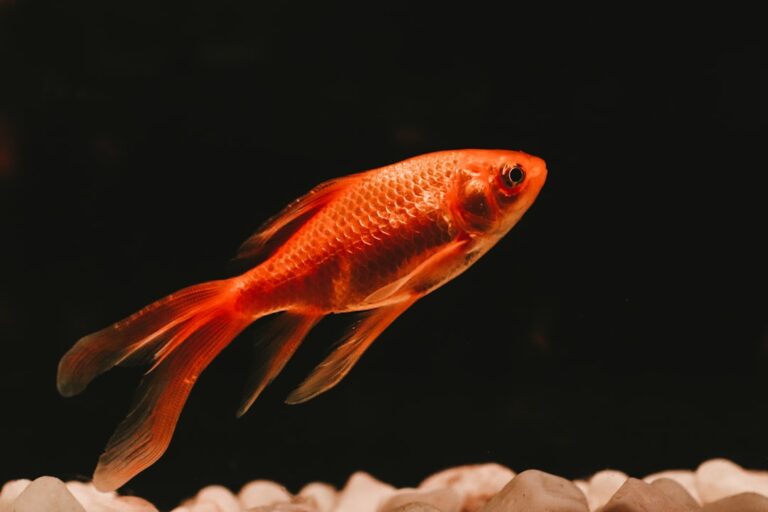
I still remember the day I noticed my prized neon tetra, Finley, struggling to swim. His once vibrant blue and red stripes had dulled, and his fins were frayed and disintegrating. I had been keeping fish for years, but I had never seen fin rot before, and I was determined to save him. I embarked on a journey to learn about fin rot and other bacterial infections in fish, and what I discovered surprised me.
I started by researching online, reading forums and articles, and talking to other fish keepers. I spent hours scouring the internet, trying to find the best treatment options, and I finally decided to visit my local pet store, Aquarium World, to get some advice from the experts. The store was located in a small shopping center, just a few miles from my house, and I had been there many times before. But this time, I was on a mission. I walked in, and the owner, Joe, greeted me with a warm smile. I explained Finley’s situation, and he listened attentively, nodding his head. “Fin rot is a common problem,” he said, “but it’s treatable. You’ll need to get some antibiotics and a good water conditioner.”
Diagnosing Fin Rot
Joe showed me the different types of antibiotics available, and we discussed the pros and cons of each. I ended up buying a bottle of API E.M. Erythromycin, which cost me $15.99. I thought it was a bit pricey, but Joe assured me it was worth it. He also recommended a water conditioner, Seachem Prime, which cost $10.99. I was surprised by the cost, but I was willing to try anything to save Finley.
As I was about to leave, Joe told me about a small fish farm on the outskirts of town, where I could get some natural remedies for fin rot. He gave me directions, and I decided to take a detour on my way home. The farm was called Green Aquatics, and it was located in a beautiful, rural area surrounded by trees and a small pond. I had never been there before, and I was excited to explore. The owner, Sarah, greeted me warmly, and we talked about Finley’s condition. She showed me some natural remedies, including a homemade antibiotic made from plant extracts, which cost $20. I was skeptical at first, but Sarah assured me it was effective.
Treating Fin Rot
I decided to try a combination of the API E.M. Erythromycin and the natural remedy from Green Aquatics. I followed the instructions carefully, and I made sure to monitor Finley’s condition closely. At first, I didn’t see any improvement, and I was worried that I had made a mistake. But then, after a few days, I started to notice a change. Finley’s fins were starting to regrow, and his colors were becoming more vibrant. I was thrilled, and I continued the treatment for another week.
As Finley recovered, I started to research more about bacterial infections in fish. I learned that fin rot is just one of many bacterial infections that can affect fish, and that it’s often caused by poor water quality or stress. I realized that I had been neglecting my tank’s maintenance, and that I needed to make some changes. I started to perform more frequent water changes, and I made sure to monitor the water parameters closely. I also added some new plants and decorations to the tank, to reduce stress and provide more hiding places for the fish.
Preventing Bacterial Infections
I was surprised by how much I had learned about bacterial infections in fish, and how much I had grown as a fish keeper. I realized that keeping fish is not just about throwing some food in the tank and watching them swim. It’s about creating a healthy environment, and providing the best possible care. I was grateful for the experience, and I knew that I would be a better fish keeper from now on.
As I looked at Finley, now fully recovered and swimming happily in his tank, I felt a sense of pride and accomplishment. I had saved him, and I had learned so much in the process. I would tell anyone who is struggling with fin rot or other bacterial infections in fish to stay calm, do their research, and seek advice from experts. And always remember, a healthy tank is a happy tank.
I’d tell you to keep exploring, to keep learning, and to never give up on your fish. They depend on you, and with the right care, they can thrive. And who knows, you might just discover a new passion, like I did. So, go ahead, take the plunge, and see where the journey takes you.
📷 Photos: ZQ Lee (Unsplash), Johnny Ho (Unsplash)