Creating a Thriving Paludarium: A Guide to Setting Up a Harmonious Home for Amphibians and Fish

Creating a Thriving Paludarium: A Guide to Setting Up a Harmonious Home for Amphibians and Fish
Setting up a paludarium for amphibians and fish requires careful consideration of the unique needs of both species. A paludarium is a type of aquarium that combines aquatic and terrestrial environments, providing a fascinating and dynamic ecosystem. By incorporating a paludarium into your home, you can create a thriving environment that showcases the beauty of both amphibians and fish. In this article, we will explore the key components of a successful paludarium, including fish care, amphibian care, and the importance of aquatic plants.
Choosing the Right Equipment
When setting up a paludarium, it’s essential to choose the right equipment to ensure the health and well-being of your amphibians and fish. A high-quality aquarium is the foundation of a successful paludarium, providing a safe and stable environment for your aquatic species. Consider a tank with a capacity of at least 20 gallons to provide ample space for your fish and amphibians. Additionally, a good quality filter is crucial for maintaining clean and healthy water, while a heating and cooling system will help regulate the temperature and create a stable environment.
Designing the Perfect Environment
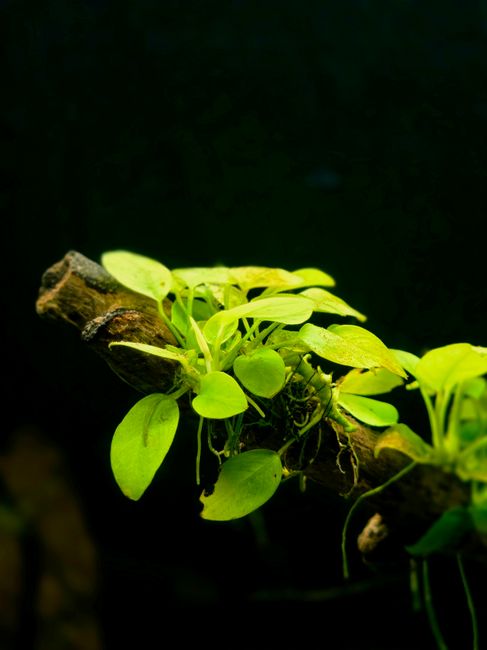
Designing the perfect environment for your paludarium is crucial for the health and happiness of your amphibians and fish. A well-designed paludarium should include a combination of aquatic and terrestrial areas, providing a natural and stimulating environment for your species. Consider incorporating aquatic plants, such as anacharis or java moss, to help maintain water quality and provide shelter for your fish. For the terrestrial area, use a substrate such as coconut fiber or sphagnum moss to create a humid and stable environment for your amphibians.
Creating a Natural Water Cycle
Creating a natural water cycle is essential for maintaining a healthy and thriving paludarium. A natural water cycle involves the constant circulation of water between the aquatic and terrestrial areas, helping to maintain humidity and regulate the environment. Consider incorporating a waterfall or fountain to create a natural water cycle, while also providing a visually stunning feature for your paludarium.
Choosing the Right Species
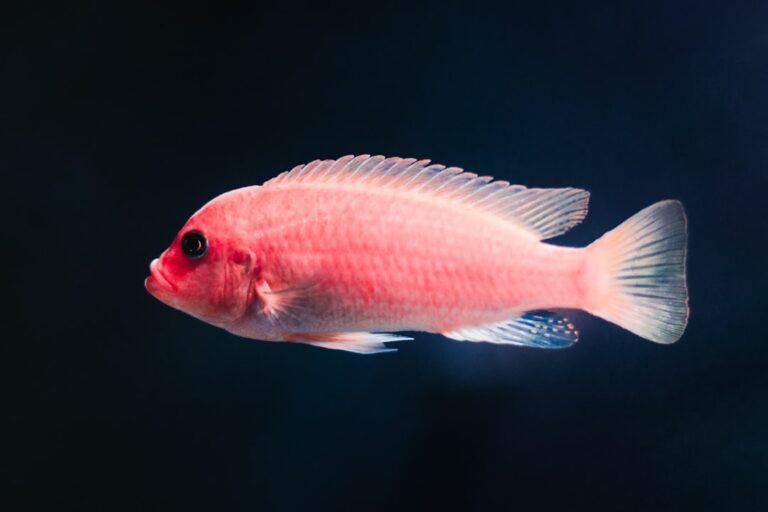
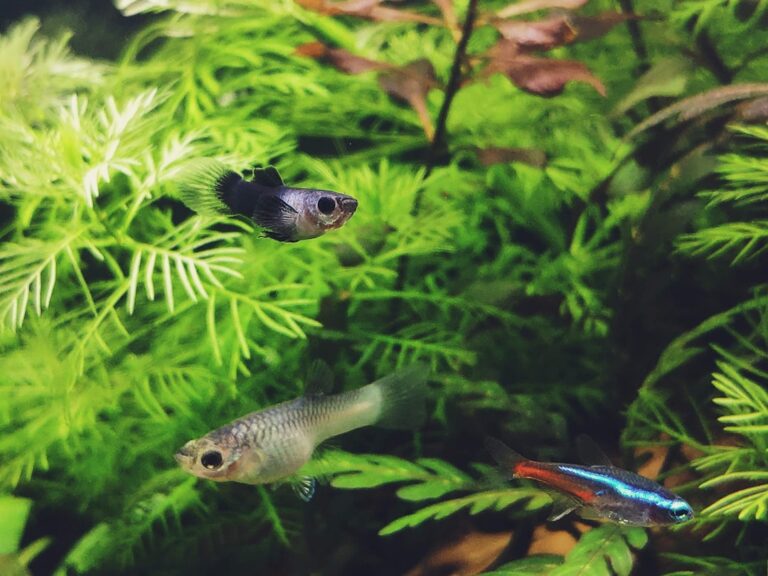
Choosing the right species for your paludarium is crucial for creating a harmonious and thriving environment. Consider species that are compatible with each other and can thrive in a paludarium environment. Some popular species for paludariums include guppies, neon tetras, and african dwarf frogs. Research the specific needs of each species, including their dietary requirements, habitat preferences, and social behaviors, to ensure that you can provide the best possible care.
Providing a Balanced Diet
Providing a balanced diet is essential for the health and well-being of your amphibians and fish. Research the specific dietary requirements of each species, including the types of food they eat, the frequency of feeding, and the nutritional content of their diet. Consider providing a variety of foods, such as live foods, commercial pellets, and fresh vegetables, to ensure that your species receive a balanced and nutritious diet.
Maintaining a Healthy Environment
Maintaining a healthy environment is crucial for the well-being of your amphibians and fish. Regularly test the water quality, monitoring parameters such as pH, ammonia, and nitrite levels, to ensure that the environment remains stable and healthy. Perform regular water changes, replacing at least 10% of the tank water each week, to maintain optimal water quality. Additionally, clean the terrestrial area regularly, removing any debris or waste, to prevent the buildup of bacteria and maintain a healthy environment.
Common Challenges and Solutions
Common challenges and solutions are an essential part of maintaining a healthy and thriving paludarium. Be prepared to address issues such as algae growth, disease outbreaks, and equipment failures. Research the causes of these issues and develop strategies for preventing and addressing them, such as implementing regular maintenance routines, monitoring water quality, and providing a balanced diet.
The One Last Thing
As you embark on the journey of creating a paludarium, remember that patience and dedication are key. With careful planning, attention to detail, and a commitment to providing the best possible care, you can create a thriving and harmonious environment for your amphibians and fish. Don’t be afraid to experiment and try new things, and always be prepared to learn and adapt to the unique needs of your species. With the right mindset and a little bit of creativity, you can create a truly unique and captivating paludarium that will provide hours of entertainment and enjoyment for years to come.