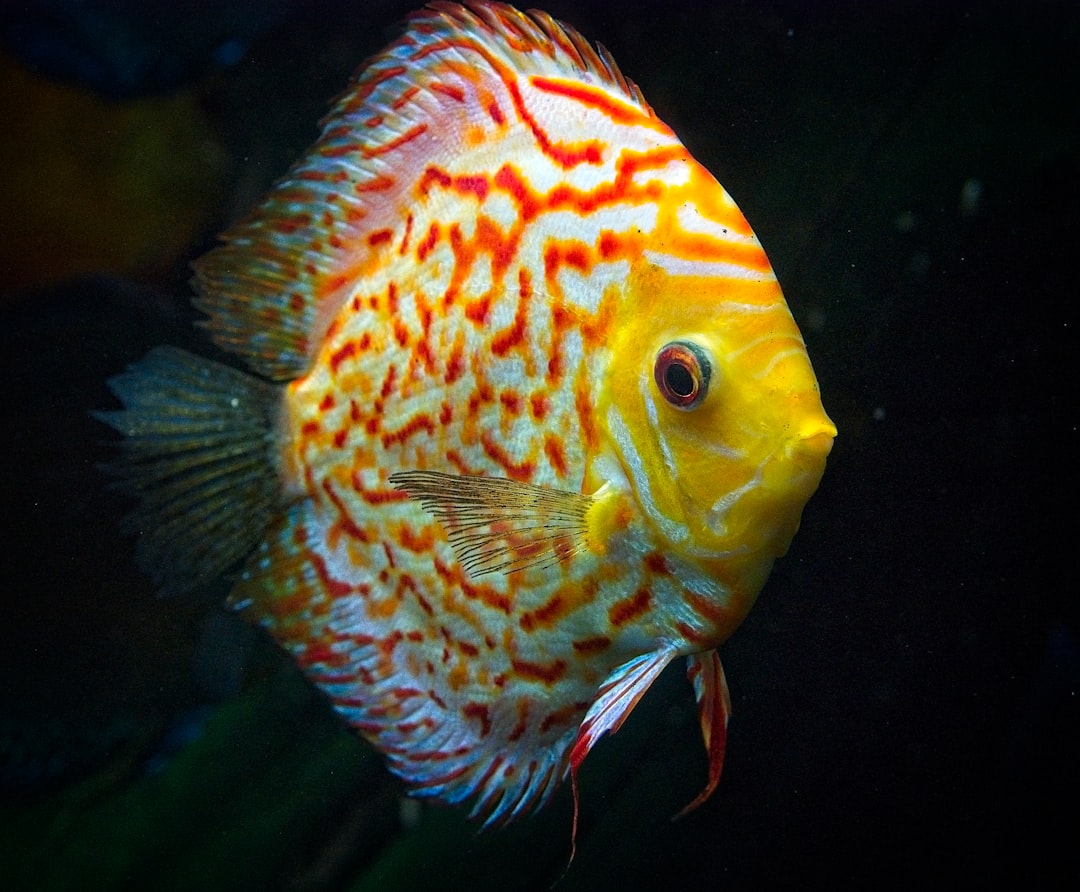
Discus Fish Breeding Tips and Guidelines
Discus Fish Breeding Tips for Success
Discus fish are one of the most beautiful and sought-after species in the aquarium hobby. With their vibrant colors and distinctive shape, it’s no wonder why many enthusiasts want to breed them. However, discus fish breeding can be a challenging and complex process, requiring careful planning, attention to detail, and a deep understanding of the species’ specific needs. In this article, we’ll provide you with practical tips and guidelines to help you succeed in breeding discus fish.
Choosing the Right Breeding Stock
To start breeding discus fish, you’ll need to select healthy, high-quality specimens. Look for fish with good coloration, a sturdy build, and no signs of disease or injury. It’s also essential to choose fish that are compatible with each other, as discus fish can be quite particular about their mates. A good breeding pair should consist of one male and one female, and they should be introduced to each other slowly and under close observation.
When selecting breeding stock, consider the following factors:
- Age: Discus fish typically reach breeding age between 6-12 months, depending on factors such as diet, water quality, and genetics.
- Size: Breeding discus fish should be at least 4-5 inches in length, with males typically being larger than females.
- Coloration: Choose fish with vibrant, even coloration, and avoid specimens with faded or uneven markings.
- Fin condition: Look for fish with long, flowing fins that are free of damage or disease.
Setting Up the Breeding Tank
A well-designed breeding tank is crucial for discus fish breeding success. The tank should be spacious, with plenty of hiding places and visual barriers to reduce stress and aggression. A minimum tank size of 55 gallons is recommended, with a secure lid to prevent jumping.
When setting up the breeding tank, consider the following:
- Water parameters: Discus fish require soft, slightly acidic water, with a pH range of 6.5-7.5 and a temperature range of 82-86°F.
- Water circulation: Provide gentle water circulation to simulate the natural flow of the Amazon River, where discus fish originate.
- Substrate and decor: Use a soft, sandy substrate and add plants, rocks, and driftwood to create hiding places and visual interest.
- Filtration: Use a high-quality filter that can maintain stable water parameters and provide adequate biological filtration.
Inducing Spawning and Raising Fry
Once you’ve set up the breeding tank and introduced the breeding pair, you can start inducing spawning. This can be done by simulating the natural breeding cycle of discus fish, which involves a gradual increase in water temperature and a change in water chemistry.
To induce spawning, try the following:
- Water changes: Perform regular water changes to simulate the natural flow of the Amazon River and trigger spawning behavior.
- Temperature manipulation: Gradually increase the water temperature to simulate the natural breeding cycle of discus fish.
- Feeding: Provide a nutrient-rich diet that includes live or frozen foods, such as brine shrimp or bloodworms.
After spawning, the female discus fish will lay her eggs on a flat surface, such as a rock or a plant leaf. The eggs will hatch after 2-3 days, and the fry will be free-swimming after 5-7 days. At this point, you can start feeding the fry with infusoria or newly hatched brine shrimp.
Conclusion and Next Steps
Discus fish breeding is a challenging but rewarding experience that requires careful planning, attention to detail, and a deep understanding of the species’ specific needs. By following the tips and guidelines outlined in this article, you can increase your chances of success and enjoy the thrill of raising these beautiful and fascinating fish. Whether you’re a seasoned breeder or just starting out, we hope this article has provided you with valuable insights and practical advice to help you on your discus fish breeding journey.
Ready to start breeding discus fish? Check out our online community and forums for more tips, advice, and support from experienced breeders and enthusiasts. Good luck, and happy breeding!
Photo by Michael Rodock on Unsplash