
Creating a Low-Flow Biotope Tank Replication for Peaceful Betta Splendens
Introduction to the Art of Low-Flow Biotope Tank Replication for Peaceful Betta Splendens
Creating a thriving environment for peaceful Betta Splendens, also known as Siamese fighting fish, requires a deep understanding of their natural habitats and the implementation of low-flow biotope tank replication. This approach not only promotes the health and well-being of these magnificent creatures but also provides an opportunity for aquarium enthusiasts to showcase their creativity and attention to detail. In this comprehensive guide, we will delve into the world of low-flow biotope tank replication, exploring the historical and geographical context of Betta Splendens, the importance of mimicking their natural environment, and the technical aspects of setting up and maintaining a thriving low-flow biotope tank.
Historical and Geographical Context of Betta Splendens
Betta Splendens are native to the Chao Phraya River basin in Thailand, where they inhabit slow-moving waters with abundant vegetation and hiding places. These fish have been bred in captivity for centuries, with the first recorded breeding program dating back to the 19th century. Over time, Betta Splendens have undergone significant selective breeding, resulting in a wide range of colors, fin shapes, and sizes. Despite their popularity as ornamental fish, Betta Splendens are still widely found in their natural habitats, where they play a crucial role in maintaining the ecological balance of their ecosystems.
The natural habitats of Betta Splendens are characterized by warm, slow-moving waters with a pH range of 6.5-8.0 and a temperature range of 24-30°C. These environments are often filled with aquatic plants, such as algae, mosses, and ferns, which provide shelter, food, and breeding grounds for the fish. In order to create a low-flow biotope tank replication, it is essential to understand and mimic these natural conditions, taking into account the specific needs and requirements of Betta Splendens.
Importance of Mimicking the Natural Environment
Mimicking the natural environment of Betta Splendens is crucial for creating a thriving low-flow biotope tank replication. By replicating the natural conditions of their habitats, aquarium enthusiasts can provide their fish with a stress-free and healthy environment, promoting their overall well-being and longevity. A well-designed biotope tank can also help to reduce the risk of disease, as the fish are able to thrive in an environment that is tailored to their specific needs.
Some of the key factors to consider when mimicking the natural environment of Betta Splendens include:
- Water temperature: Betta Splendens prefer warm waters, with a temperature range of 24-30°C.
- Water pH: The pH range of the water should be between 6.5-8.0, with a slight acidity to mimic the natural conditions of their habitats.
- Water flow: Betta Splendens are adapted to slow-moving waters, with a low flow rate that allows them to conserve energy and thrive.
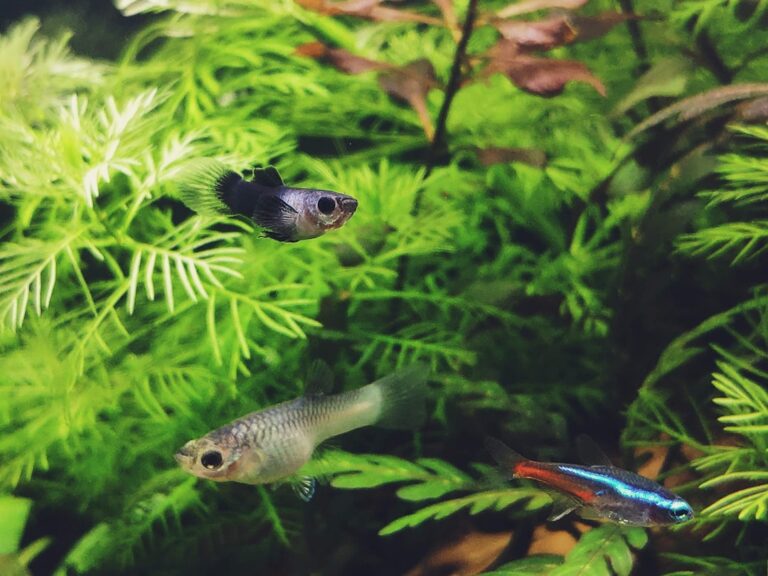
- Vegetation: Aquatic plants, such as algae, mosses, and ferns, provide shelter, food, and breeding grounds for Betta Splendens.
- Substrate: A substrate that mimics the natural conditions of their habitats, such as sand or gravel, can help to create a sense of security and comfort for the fish.
Technical Aspects of Setting Up and Maintaining a Low-Flow Biotope Tank
Setting up and maintaining a low-flow biotope tank requires careful planning and attention to detail. The following steps can help to ensure the success of your tank:
- Choose a suitable tank size: A tank size of at least 20 gallons is recommended, with a length of at least 24 inches to provide ample swimming space for the fish.
- Select a suitable filter: A low-flow filter, such as a sponge filter or a hang-on-back filter, can help to create a gentle water flow that mimics the natural conditions of the fish’s habitats.
- Use a suitable substrate: A substrate that mimics the natural conditions of the fish’s habitats, such as sand or gravel, can help to create a sense of security and comfort for the fish.
- Add vegetation: Aquatic plants, such as algae, mosses, and ferns, can help to create a natural environment that provides shelter, food, and breeding grounds for the fish.
- Monitor water parameters: Regular water testing can help to ensure that the water parameters are within the optimal range for the fish, with a pH range of 6.5-8.0 and a temperature range of 24-30°C.
Some of the key equipment needed to set up and maintain a low-flow biotope tank includes:
- A suitable tank size and shape
- A low-flow filter, such as a sponge filter or a hang-on-back filter
- A suitable substrate, such as sand or gravel
- Aquatic plants, such as algae, mosses, and ferns
- A water heater, to maintain a temperature range of 24-30°C
- A pH test kit, to monitor the pH range of the water
Case Studies: Successful Low-Flow Biotope Tank Replications
Several case studies have demonstrated the success of low-flow biotope tank replications in creating thriving environments for Betta Splendens. One such example is the creation of a 20-gallon tank that mimics the natural conditions of the Chao Phraya River basin. The tank features a low-flow filter, a substrate of sand and gravel, and a variety of aquatic plants, including algae, mosses, and ferns. The tank is maintained at a temperature range of 24-30°C and a pH range of 6.5-8.0, with regular water testing to ensure that the water parameters are within the optimal range for the fish.
Another example is the creation of a 30-gallon tank that features a unique design, with a combination of sand and gravel substrate, and a variety of aquatic plants, including Java moss and Anubias. The tank is maintained at a temperature range of 24-30°C and a pH range of 6.5-8.0, with a low-flow filter and regular water testing to ensure that the water parameters are within the optimal range for the fish.
Expert Insights: Tips and Tricks for Creating a Thriving Low-Flow Biotope Tank
Several experts in the field of aquarium keeping have shared their insights and tips for creating a thriving low-flow biotope tank. One such expert is Dr. Paul Loiselle, a renowned ichthyologist and aquarium expert, who recommends the use of a low-flow filter and a substrate that mimics the natural conditions of the fish’s habitats. Dr. Loiselle also emphasizes the importance of regular water testing and monitoring of water parameters to ensure that the tank is providing a healthy environment for the fish.
Another expert, Mr. Takashi Amano, a renowned aquarium designer and photographer, recommends the use of a combination of sand and gravel substrate, and a variety of aquatic plants, including algae, mosses, and ferns. Mr. Amano also emphasizes the importance of creating a sense of depth and dimension in the tank, using rocks, driftwood, and other decorations to create a natural environment that provides shelter, food, and breeding grounds for the fish.
Challenges and Opportunities: The Future of Low-Flow Biotope Tank Replication
Despite the many successes of low-flow biotope tank replication, there are still several challenges and opportunities that need to be addressed. One such challenge is the need for more research and understanding of the specific needs and requirements of Betta Splendens, including their dietary needs, social behavior, and breeding habits. Another challenge is the need for more education and awareness among aquarium enthusiasts, regarding the importance of creating a natural environment that provides a healthy and thriving space for the fish.
However, there are also many opportunities for innovation and advancement in the field of low-flow biotope tank replication. One such opportunity is the development of new and innovative technologies, such as advanced water filtration systems and automated water monitoring systems, that can help to create a more efficient and effective tank. Another opportunity is the creation of new and unique aquarium designs, that can help to showcase the beauty and diversity of Betta Splendens, and provide a thriving environment for these magnificent creatures.
Reflections and Future Directions
As we reflect on the art of low-flow biotope tank replication, it is clear that this approach has the potential to revolutionize the way we keep and care for Betta Splendens. By mimicking the natural environment of these fish, we can create a thriving and healthy space that provides a sense of security, comfort, and well-being. As we move forward, it is essential that we continue to advance our understanding of the specific needs and requirements of Betta Splendens, and that we develop new and innovative technologies and designs that can help to create a more efficient and effective tank.
Ultimately, the creation of a low-flow biotope tank replication is a journey that requires patience, dedication, and a passion for aquarium keeping. As we embark on this journey, we must remember that the well-being and health of our fish is our top priority, and that we must always strive to create a natural environment that provides a thriving and healthy space for these magnificent creatures. By doing so, we can help to ensure the long-term sustainability of Betta Splendens, and preserve the beauty and diversity of these incredible fish for generations to come.
Photo by Lu Zhao (via Pexels)