Dual-Stage Pressurized CO2 Injections for Heavily Planted Aquariums
Unlocking the Secrets of Dual-Stage Pressurized CO2 Injections in Heavily Planted Aquariums
As the world of aquascaping continues to evolve, one of the most significant advancements in recent years has been the development of dual-stage pressurized CO2 injection systems. These systems have revolutionized the way we approach planted aquariums, allowing for unprecedented levels of control and precision when it comes to CO2 supplementation. In this article, we’ll delve into the chemical layout of dual-stage pressurized CO2 injections, exploring the science behind this technology and providing a comprehensive guide for aquarium enthusiasts looking to take their planted tank to the next level.
A Brief History of CO2 Supplementation in Aquariums
CO2 supplementation has been a cornerstone of planted aquariums for decades. In the early days, aquarium hobbyists relied on simple yeast-based systems or DIY CO2 reactors to provide their plants with the carbon dioxide they needed to thrive. However, these early systems were often unreliable, inconsistent, and limited in their ability to provide precise control over CO2 levels. The introduction of pressurized CO2 systems marked a significant turning point, offering a more reliable and efficient means of CO2 supplementation. Today, dual-stage pressurized CO2 injection systems represent the latest evolution in this technology, providing unparalleled levels of control and precision.
Understanding the Chemical Layout of Dual-Stage Pressurized CO2 Injections
The Science Behind Dual-Stage Pressurized CO2 Injections
From a chemical perspective, the process of CO2 supplementation in aquariums is relatively straightforward. CO2 gas is introduced into the water, where it dissolves and becomes available to the plants. The plants then use this CO2, along with light energy and nutrients, to undergo photosynthesis and produce the energy they need to grow. However, the process of CO2 supplementation is not without its challenges. One of the primary concerns is the potential for CO2 to accumulate in the water, leading to a decrease in pH and an increase in the risk of CO2 toxicity. Dual-stage pressurized CO2 injection systems help to mitigate this risk by providing a high level of control over the CO2 gas flow rate and pressure.
Benefits of Dual-Stage Pressurized CO2 Injections in Heavily Planted Aquariums
So, what are the benefits of using a dual-stage pressurized CO2 injection system in a heavily planted aquarium? Some of the key advantages include:
- Precise control over CO2 levels: Dual-stage pressurized CO2 injection systems provide unparalleled levels of control over CO2 levels, allowing for precise adjustments to be made to meet the specific needs of the plants.
- Increased plant growth and health: By providing a consistent and reliable source of CO2, dual-stage pressurized CO2 injection systems can help to promote healthy plant growth and development.
- Reduced risk of CO2 toxicity: The use of a dual-stage regulator helps to mitigate the risk of CO2 toxicity by providing a high level of control over the CO2 gas flow rate and pressure.
- Improved water quality: Dual-stage pressurized CO2 injection systems can help to improve water quality by reducing the risk of CO2 accumulation and promoting a healthy balance of nutrients and pH.
Case Study: Implementing a Dual-Stage Pressurized CO2 Injection System in a Heavily Planted Aquarium
In this case study, we’ll explore the implementation of a dual-stage pressurized CO2 injection system in a heavily planted aquarium. The aquarium in question is a 55-gallon tank, stocked with a variety of plants, including Amazon swords, Java moss, and Anubias. The tank is equipped with a high-quality canister filter, a heater, and a lighting system consisting of LED grow lights and T5 fluorescent lights. The goal of the CO2 injection system is to provide a consistent and reliable source of CO2, while also promoting healthy plant growth and development.
Step-by-Step Guide to Implementing a Dual-Stage Pressurized CO2 Injection System
Implementing a dual-stage pressurized CO2 injection system is a relatively straightforward process, but it does require some planning and attention to detail. Here’s a step-by-step guide to get you started:
- Choose a suitable location for the CO2 cylinder and regulator, ensuring that it is well-ventilated and easily accessible.
- Install the CO2 regulator, following the manufacturer’s instructions and taking care to ensure that all connections are secure and leak-free.
- Connect the CO2 tubing to the regulator and the diffuser, ensuring that all connections are secure and leak-free.
- Configure the CO2 injection system, adjusting the regulator to provide the desired flow rate and pressure.
- Monitor the CO2 levels in the aquarium, using a CO2 test kit or a digital CO2 monitor to ensure that the levels are within the desired range.
Troubleshooting Common Issues with Dual-Stage Pressurized CO2 Injections
While dual-stage pressurized CO2 injection systems are generally reliable and efficient, there are some common issues that can arise. Some of the most common problems include:
- Leaks in the CO2 tubing or connections: This can lead to a loss of CO2 and a decrease in the effectiveness of the system.
- Incorrect regulator settings: This can result in either too much or too little CO2 being delivered to the aquarium, leading to a range of problems, including CO2 toxicity and stunted plant growth.
- Blockages in the diffuser: This can reduce the effectiveness of the CO2 injection system, leading to a decrease in plant growth and health.
Maintenance and Upkeep of Dual-Stage Pressurized CO2 Injections
To ensure that the dual-stage pressurized CO2 injection system continues to function effectively, regular maintenance and upkeep are essential. This includes:
- Regularly checking the CO2 cylinder and regulator for signs of wear and tear, replacing them as needed.
- Inspecting the CO2 tubing and connections for leaks, replacing them as needed.
- Cleaning the diffuser regularly to prevent blockages and ensure optimal performance.
Conclusion and Future Directions
In conclusion, dual-stage pressurized CO2 injection systems represent a significant advancement in the world of aquascaping, providing unparalleled levels of control and precision when it comes to CO2 supplementation. By understanding the chemical layout and science behind these systems, aquarium enthusiasts can unlock the full potential of their planted tanks, promoting healthy plant growth and development. As the technology continues to evolve, we can expect to see even more innovative solutions for CO2 supplementation, further pushing the boundaries of what is possible in the world of aquascaping.
Getting Started with Dual-Stage Pressurized CO2 Injections
If you’re interested in implementing a dual-stage pressurized CO2 injection system in your own aquarium, we encourage you to start by doing some research and planning. Consider the specific needs of your plants, the size and type of your aquarium, and the level of control and precision you require. With the right equipment and a little patience, you can unlock the full potential of your planted tank and create a truly stunning aquascape. So why not get started today and discover the benefits of dual-stage pressurized CO2 injections for yourself?
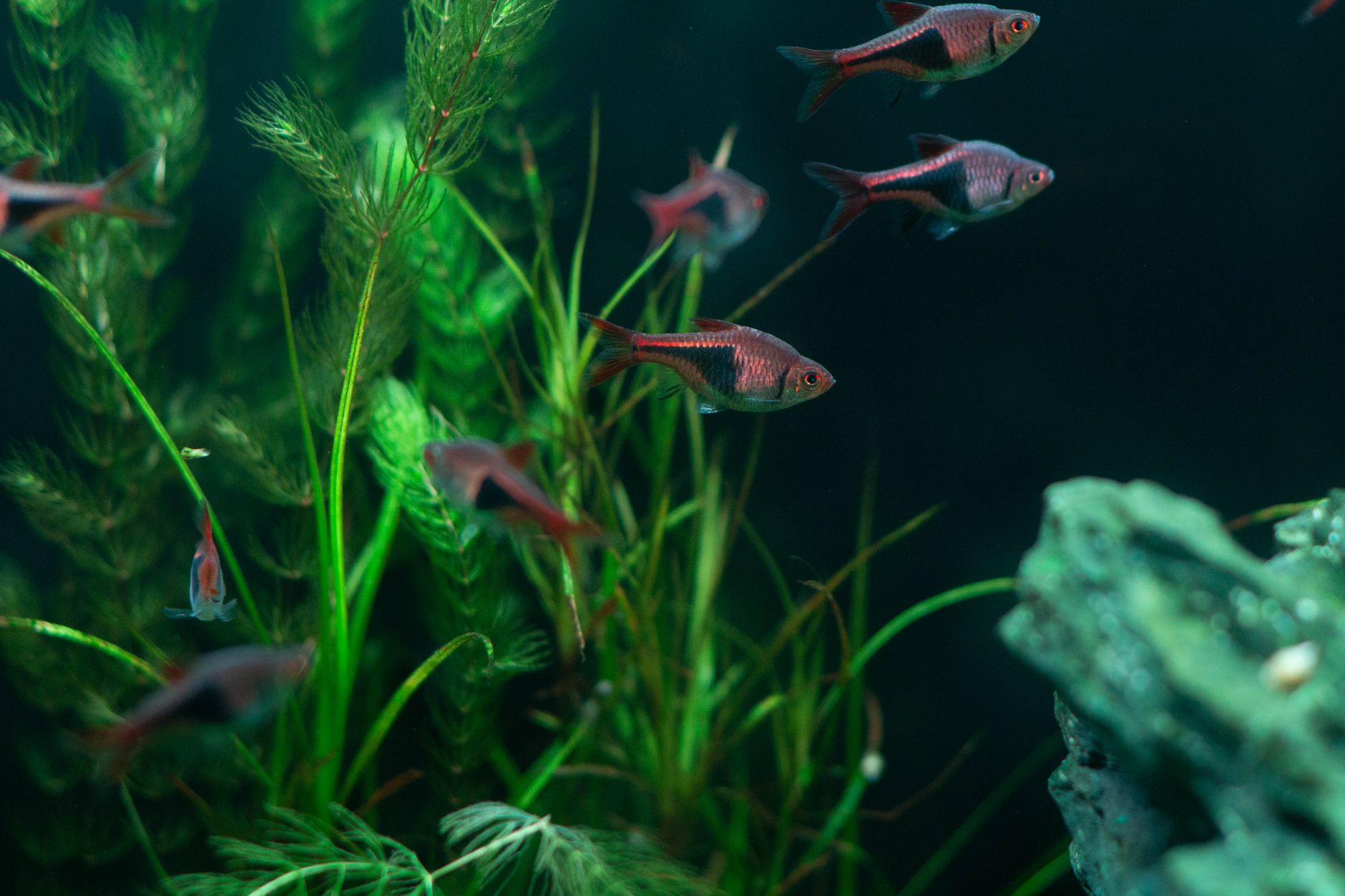
Photo by Shamsuri Azmi (via Pexels)