Mastering Total Dissolved Solids for Thriving Crystal Shrimp Tanks
Introduction to Crystal Shrimp Tanks and the Importance of Total Dissolved Solids
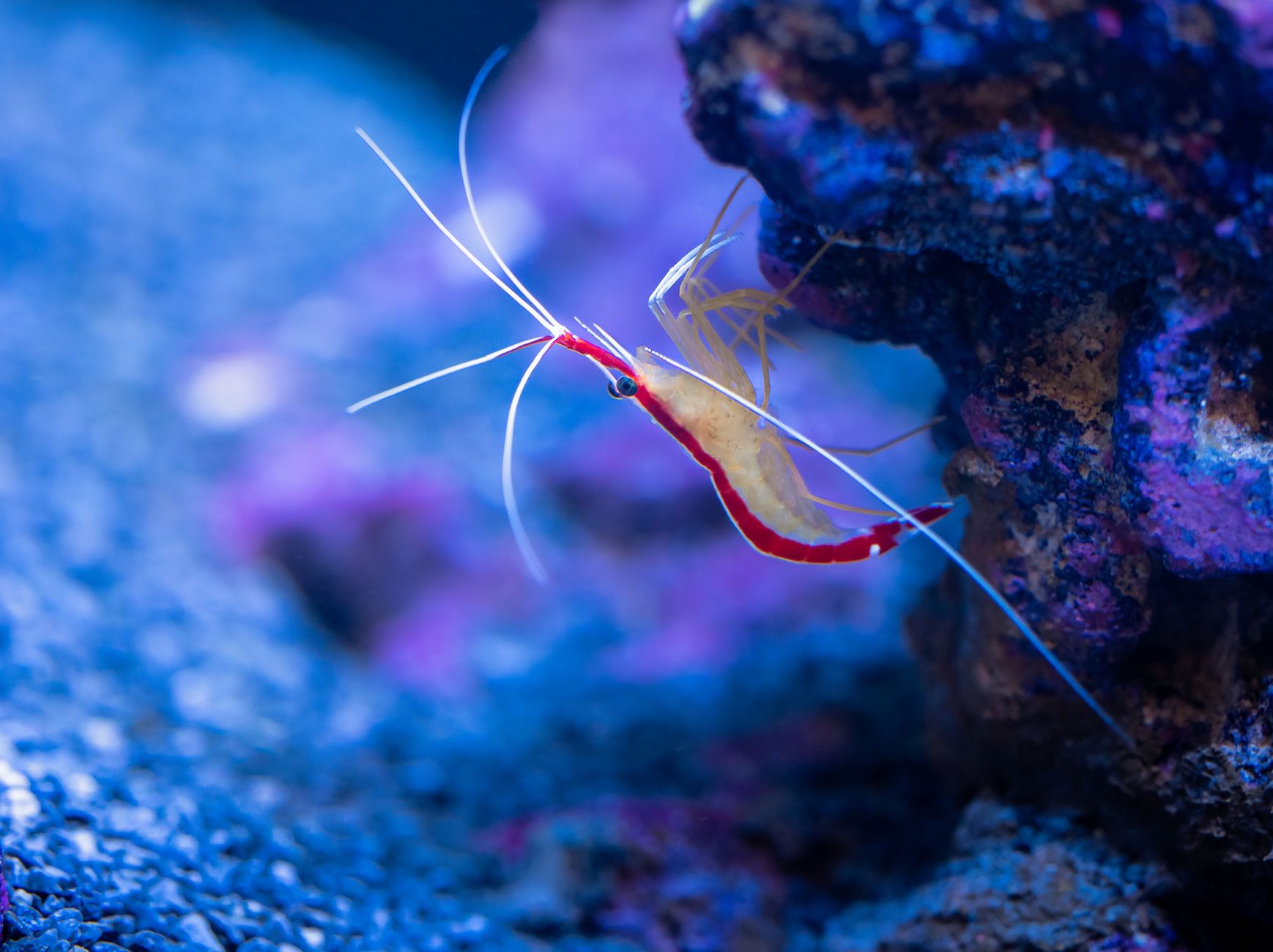
Crystal shrimp, also known as Caridina cf. logemanni, are a popular species of freshwater shrimp among aquarium enthusiasts. These small, delicate creatures require a very specific environment to thrive, and one of the most critical factors in establishing a high-grade crystal shrimp tank is maintaining the right balance of total dissolved solids (TDS). In this article, we will delve into the world of crystal shrimp tanks and explore the impact of TDS balances on these fascinating micro-ecosystems.
Before we dive into the details of TDS balances, it’s essential to understand the history and geographical context of crystal shrimp. These shrimp are native to Taiwan and have been a popular species among aquarium enthusiasts for decades. In the early days of crystal shrimp keeping, hobbyists relied on trial and error to establish the perfect environment for these sensitive creatures. However, as our understanding of aquatic chemistry and microbiology has evolved, we have come to realize the importance of precise water parameters, including TDS, in creating a thriving crystal shrimp tank.
Understanding Total Dissolved Solids and Their Impact on Crystal Shrimp Tanks
Total dissolved solids refer to the concentration of dissolved substances in water, including minerals, salts, and other inorganic compounds. In the context of crystal shrimp tanks, TDS plays a critical role in maintaining the health and well-being of these delicate creatures. A balanced TDS level is essential for crystal shrimp, as it affects the osmotic balance of their bodies and the overall water chemistry of the tank.
When it comes to crystal shrimp tanks, the ideal TDS range is between 100-200 ppm (parts per million). This range allows for a stable and healthy environment, with the right balance of minerals and salts to support the shrimp’s biological processes. However, if the TDS level is too high or too low, it can have devastating effects on the shrimp and the overall ecosystem of the tank.
For example, if the TDS level is too high, it can cause the shrimp to become stressed, leading to a range of health problems, including osmotic shock, respiratory distress, and even death. On the other hand, if the TDS level is too low, it can lead to a lack of essential minerals and salts, causing the shrimp to become weak and susceptible to disease.
Factors Affecting Total Dissolved Solids in Crystal Shrimp Tanks
There are several factors that can affect the TDS level in a crystal shrimp tank, including:
- Water source: The water source used to fill the tank can have a significant impact on the TDS level. For example, tap water can have a high TDS level due to the presence of minerals and salts, while reverse osmosis (RO) water can have a very low TDS level.
- Fertilizers and supplements: The use of fertilizers and supplements can also affect the TDS level in a crystal shrimp tank. Some fertilizers and supplements can contain high levels of minerals and salts, which can increase the TDS level in the tank.
- Biological processes: The biological processes that occur within the tank, such as the breakdown of organic matter, can also affect the TDS level. For example, the decomposition of plant matter can release minerals and salts into the water, increasing the TDS level.
- Equipment and maintenance: The equipment used in the tank, such as filters and heaters, can also affect the TDS level. For example, some filters can remove minerals and salts from the water, reducing the TDS level, while others can add minerals and salts, increasing the TDS level.
Establishing a High-Grade Crystal Shrimp Tank with Optimal Total Dissolved Solids
Establishing a high-grade crystal shrimp tank with optimal TDS requires careful planning, attention to detail, and a thorough understanding of the factors that affect TDS levels. Here are some steps to follow:
- Choose the right water source: Select a water source that has a TDS level within the ideal range for crystal shrimp. If using tap water, consider using a water conditioner to remove minerals and salts.
- Use a high-quality filter: Use a filter that is designed for crystal shrimp tanks and can maintain a stable TDS level. Some filters, such as those with activated carbon or zeolite, can remove minerals and salts from the water, reducing the TDS level.
- Monitor TDS levels: Regularly monitor the TDS level in the tank using a TDS meter. This will help you to identify any changes in the TDS level and make adjustments as necessary.
- Perform regular water changes: Regular water changes are essential for maintaining a stable TDS level. Replace 10-20% of the tank water with fresh, dechlorinated water that has a TDS level within the ideal range.
- Avoid over-fertilizing: Avoid over-fertilizing the tank, as this can lead to an increase in the TDS level. Use fertilizers and supplements that are specifically designed for crystal shrimp tanks and follow the manufacturer’s instructions.
Case Study: Establishing a High-Grade Crystal Shrimp Tank with Optimal Total Dissolved Solids
In this case study, we will explore the process of establishing a high-grade crystal shrimp tank with optimal TDS. The tank is a 10-gallon aquarium with a temperature range of 68-72°F (20-22°C) and a pH range of 6.5-7.5.
The tank is equipped with a high-quality filter, a heater, and a TDS meter. The water source is tap water, which has a TDS level of 200 ppm. To reduce the TDS level, a water conditioner is used to remove minerals and salts from the water.
The tank is stocked with 20 crystal shrimp, and the TDS level is monitored regularly using a TDS meter. The TDS level is maintained within the ideal range of 100-200 ppm by performing regular water changes and avoiding over-fertilizing.
After 6 months, the tank is thriving, with healthy and active crystal shrimp. The TDS level is stable, and the water parameters are within the ideal range for crystal shrimp. The tank is a testament to the importance of maintaining optimal TDS levels in crystal shrimp tanks.
Conclusion and Recommendations
In conclusion, establishing a high-grade crystal shrimp tank with optimal TDS requires careful planning, attention to detail, and a thorough understanding of the factors that affect TDS levels. By following the steps outlined in this article, you can create a thriving crystal shrimp tank with a stable and healthy environment.
We recommend regular monitoring of TDS levels, regular water changes, and avoiding over-fertilizing to maintain optimal TDS levels. Additionally, we recommend using a high-quality filter and a water conditioner to remove minerals and salts from the water.
By taking the time to understand the importance of TDS balances in crystal shrimp tanks, you can create a thriving and healthy environment for these fascinating creatures. So, take the first step today and start building your own high-grade crystal shrimp tank with optimal TDS.
If you have any questions or need further guidance, please don’t hesitate to reach out. Our team of experts is always here to help. Happy shrimp keeping!
Call to Action
Now that you have a better understanding of the impact of total dissolved solids balances on crystal shrimp tanks, it’s time to take action. Start by monitoring the TDS level in your tank and making adjustments as necessary. Consider investing in a high-quality filter and a water conditioner to remove minerals and salts from the water.
Join our community of crystal shrimp enthusiasts and share your experiences, tips, and tricks for maintaining optimal TDS levels. Together, we can create a thriving and healthy environment for these incredible creatures.
Stay tuned for more articles, tutorials, and guides on crystal shrimp tank maintenance and care. We’re always here to help you on your shrimp-keeping journey.
Photo by William Warby (via Pexels)