
Cultivating Dwarf Hairgrass: A Step-by-Step Guide
Introduction to Dwarf Hairgrass: The Ultimate Carpet Plant for Aquascaping
Dwarf hairgrass, also known as Eleocharis parvula, is a popular carpet plant among aquascapers due to its delicate, grass-like appearance and ability to thrive in a variety of water conditions. Native to North America, this plant has been used in aquariums for decades, providing a beautiful, lush carpet that can help to create a sense of depth and dimension in the tank. In this article, we will provide a step-by-step guide on how to cultivate dwarf hairgrass in your aquarium, including tips on planting, care, and maintenance.
Preparing the Tank for Dwarf Hairgrass
Before planting dwarf hairgrass, it’s essential to prepare the tank to ensure the best possible conditions for growth. Here are a few things to consider:
- Substrate: Dwarf hairgrass prefers a nutrient-rich substrate that can provide adequate nutrients for growth. A mix of sand, gravel, and nutrient-rich soil is ideal.
- Water parameters: Dwarf hairgrass can thrive in a wide range of water parameters, but it prefers slightly acidic to neutral water (pH 6.5-7.5) with moderate water hardness (5-10 dGH).
- Lighting: Dwarf hairgrass requires moderate to high lighting to photosynthesize and grow. Aim for 1-2 watts per gallon of tank volume.
- Circulation: Good water circulation is essential for healthy plant growth. Make sure to provide adequate water movement in the tank to prevent dead spots.
Step-by-Step Planting Guide for Dwarf Hairgrass
Planting dwarf hairgrass can be a bit tricky, but with the right technique, you can achieve a beautiful, lush carpet. Here’s a step-by-step guide on how to plant dwarf hairgrass:
- Prepare the substrate: Before planting, make sure the substrate is level and even. You can use a substrate leveling tool or a credit card to smooth out the surface.
- Rinse the plants: Rinse the dwarf hairgrass plants in a separate container to remove any debris or algae that may be attached to the roots.
- Plant the hairgrass: Using a pair of tweezers or a planting tool, gently plant the dwarf hairgrass into the substrate. Make sure to plant the roots deep enough to secure the plant, but not so deep that the crown is buried.
- Space the plants: Plant the dwarf hairgrass plants about 1-2 inches apart, depending on how dense you want the carpet to be. You can use a planting grid or a template to help you achieve even spacing.
- Secure the plants: Use a small amount of substrate or a plant weight to secure the plants in place. This will prevent them from being uprooted by water currents or fish.
Caring for Dwarf Hairgrass
Once the dwarf hairgrass is planted, it’s essential to provide the right care and maintenance to ensure healthy growth. Here are a few tips:
- Fertilization: Dwarf hairgrass benefits from regular fertilization, especially during the initial growth phase. Use a balanced fertilizer that contains nitrogen, phosphorus, and potassium.
- Pruning: Regular pruning is necessary to maintain the shape and density of the carpet. Use a pair of scissors or pruning shears to trim the hairgrass to the desired height.
- Water changes: Regular water changes are essential to maintain optimal water parameters and prevent the buildup of nutrients. Aim for 10-20% water changes per week.
- Pest control: Keep an eye out for pests such as algae, snails, and shrimp that can damage the dwarf hairgrass. Use natural methods of control, such as introducing beneficial organisms or manually removing the pests.
Troubleshooting Common Issues with Dwarf Hairgrass
Despite proper care and maintenance, dwarf hairgrass can still be prone to certain issues. Here are a few common problems and solutions:
- Algae growth: Excessive algae growth can be a problem in tanks with dwarf hairgrass. To prevent this, make sure to maintain optimal water parameters, provide adequate lighting, and introduce beneficial organisms that can help to control algae.
- Browning or yellowing: Browning or yellowing of the leaves can be a sign of nutrient deficiency or poor water quality. Make sure to fertilize regularly and maintain optimal water parameters.
- Pests: Pests such as snails, shrimp, and fish can damage the dwarf hairgrass. Use natural methods of control, such as introducing beneficial organisms or manually removing the pests.
Advanced Techniques for Cultivating Dwarf Hairgrass
For experienced aquascapers, there are several advanced techniques that can be used to cultivate dwarf hairgrass. Here are a few tips:
- Use a CO2 system: A CO2 system can provide a boost to plant growth, especially in tanks with high lighting. Make sure to monitor CO2 levels and adjust as necessary.
- Implement a nutrient dosing schedule: A nutrient dosing schedule can help to provide optimal nutrients for plant growth. Use a balanced fertilizer and follow the manufacturer’s instructions.
- Use a plant growth promoter: Plant growth promoters such as auxins and cytokinins can help to stimulate plant growth. Use these products according to the manufacturer’s instructions and under the guidance of an experienced aquarist.
Conclusion and Call to Action
Cultivating dwarf hairgrass can be a rewarding experience for aquascapers, providing a beautiful and lush carpet that can help to create a sense of depth and dimension in the tank. By following the steps outlined in this article, you can achieve success with this delicate plant. Remember to provide optimal care and maintenance, and don’t be afraid to experiment with advanced techniques to take your aquascaping to the next level. Happy planting, and we look forward to seeing your beautiful dwarf hairgrass creations!
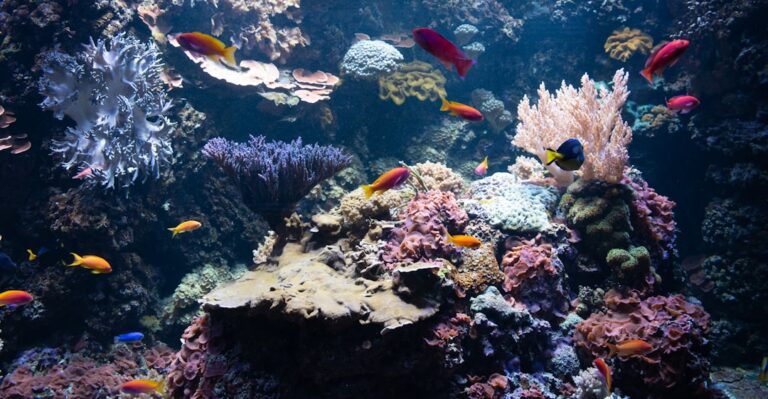
Photo by Kaiya Inouye (via Pexels)