Betta Fish Complete Care Guide
Betta Fish Care: A Comprehensive Guide for Hobbyists
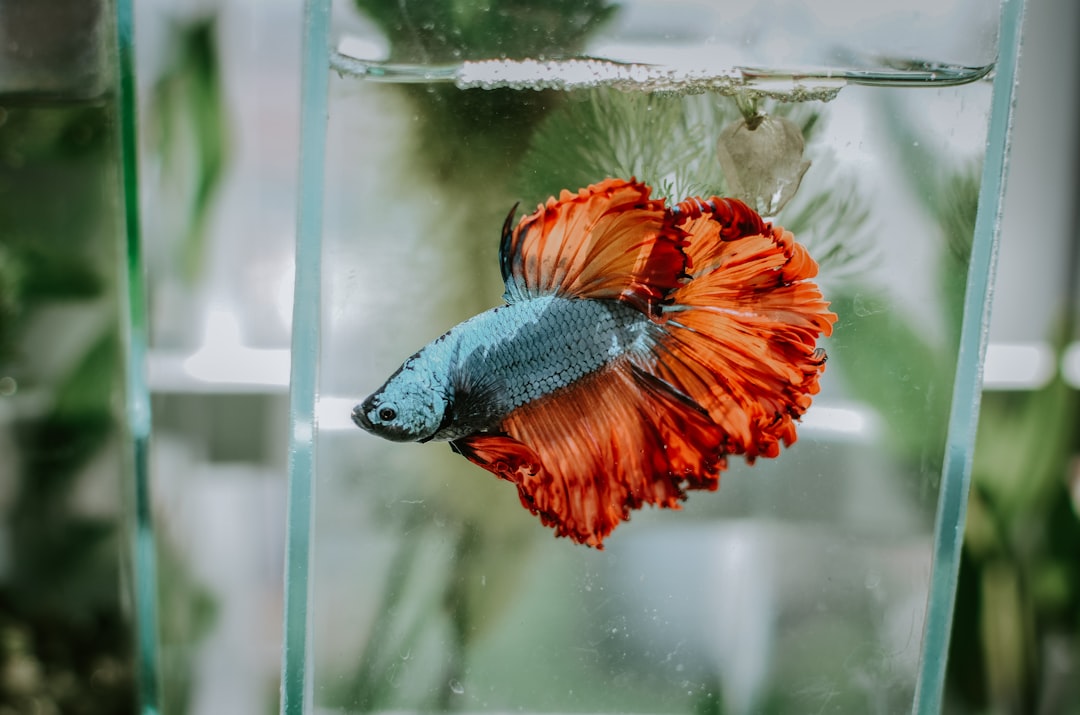
Betta fish, also known as Siamese fighting fish, are one of the most popular and iconic tropical fish species among aquarium enthusiasts. With their vibrant colors, elaborate fins, and relatively low-maintenance care, it’s no wonder why betta fish have become a staple in many home aquariums. However, providing the best care for your betta fish requires a good understanding of their specific needs and requirements. In this article, we’ll dive into the world of betta fish care and provide you with a complete guide on how to keep your betta happy and thriving.
Choosing the Right Tank and Equipment
When it comes to betta fish care, the tank and equipment you choose can make a big difference. Betta fish are typically solitary animals and prefer to live in smaller tanks with plenty of hiding places and visual barriers. A minimum tank size of 5 gallons is recommended, with a secure lid to prevent jumping. You’ll also need a good quality filter, heater, and thermometer to maintain optimal water conditions. Look for equipment that’s specifically designed for small tanks and is quiet and energy-efficient.
- Tank size: 5 gallons minimum
- Filter: quiet and energy-efficient
- Heater: adjustable and reliable
- Thermometer: accurate and easy to read
Water Quality and Parameters
Water quality is crucial for betta fish care, and maintaining optimal parameters is essential for their health and well-being. Betta fish prefer warm, slightly acidic water with a pH range of 6.5-7.5. The ideal water temperature for betta fish is between 76-82°F (24-28°C), with moderate water hardness and a low level of dissolved oxygen. Regular water changes and monitoring of water parameters are vital to prevent disease and stress.
- pH range: 6.5-7.5
- Water temperature: 76-82°F (24-28°C)
- Water hardness: moderate
- Dissolved oxygen: low level
Diet and Nutrition
Betta fish are carnivorous and require a balanced diet that includes a variety of protein-rich foods. High-quality commercial betta pellets or flakes can be used as the main staple, supplemented with live or frozen foods such as brine shrimp, bloodworms, or daphnia. Avoid overfeeding, as this can lead to digestive issues and poor water quality. Feed your betta fish 2-3 times a day, only as much as they can consume within a few minutes.
It’s also important to provide your betta fish with a varied diet that includes a mix of different food types. This will help ensure they receive all the necessary nutrients and vitamins for optimal health and coloration.
Health and Disease Prevention
Betta fish are prone to certain diseases and health issues, such as fin rot, ich, and swim bladder problems. Regular monitoring of your betta’s health and behavior can help identify potential issues early on. Look out for signs of stress, disease, or injury, such as labored breathing, lethargy, or visible wounds. Quarantine and treat your betta fish promptly if you suspect any health issues, and always maintain good water quality and hygiene practices.
Conclusion and Tips for Success
With the right care and attention, betta fish can thrive and become a beautiful and rewarding addition to your aquarium. Remember to provide a suitable tank and equipment, maintain optimal water parameters, and offer a balanced diet. By following these guidelines and staying committed to your betta’s care, you’ll be well on your way to creating a happy and healthy environment for your pet fish.
If you’re new to betta fish care or looking to improve your existing setup, don’t hesitate to reach out to our community of aquarium enthusiasts for advice and support. Happy fish keeping, and we’ll see you in the next issue of Pet Fishes!
Photo by Khoa Pham on Unsplash