Tropical Fish Feeding Guide
Introduction to Tropical Fish Feeding
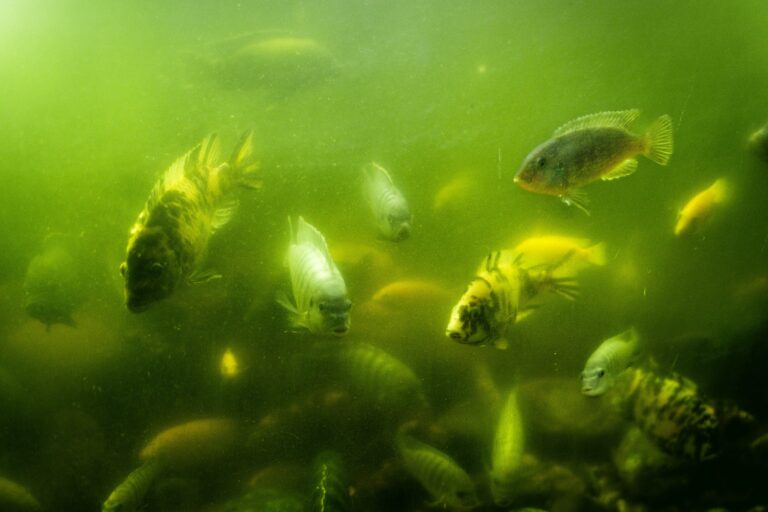
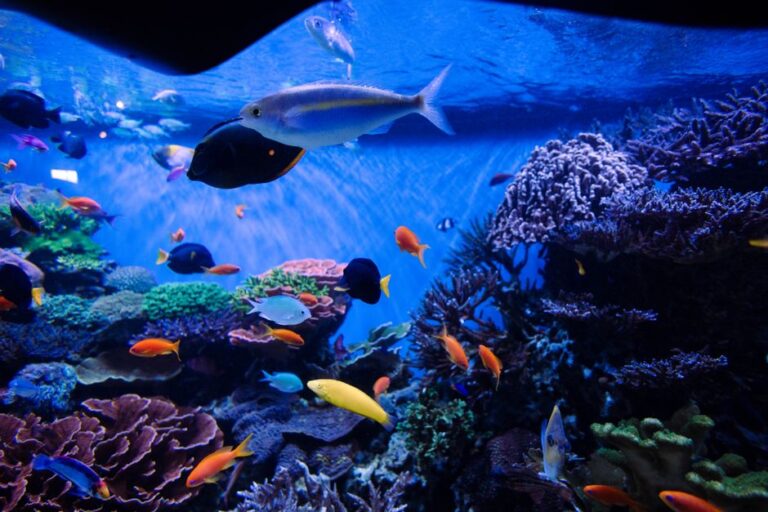
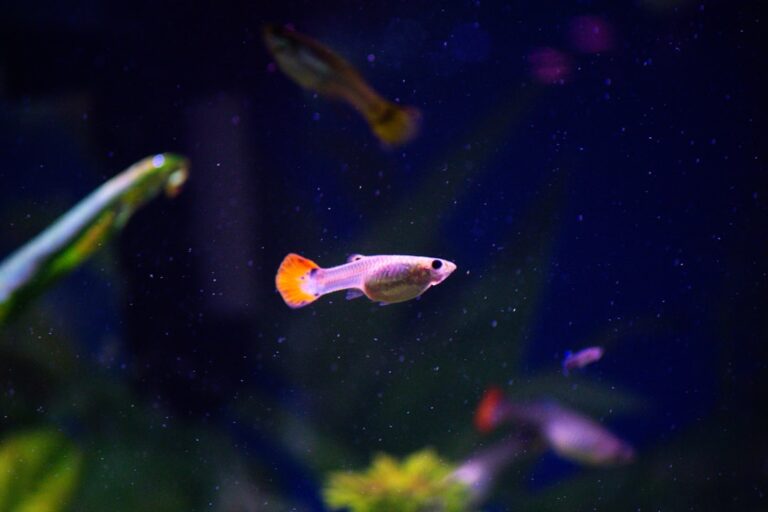
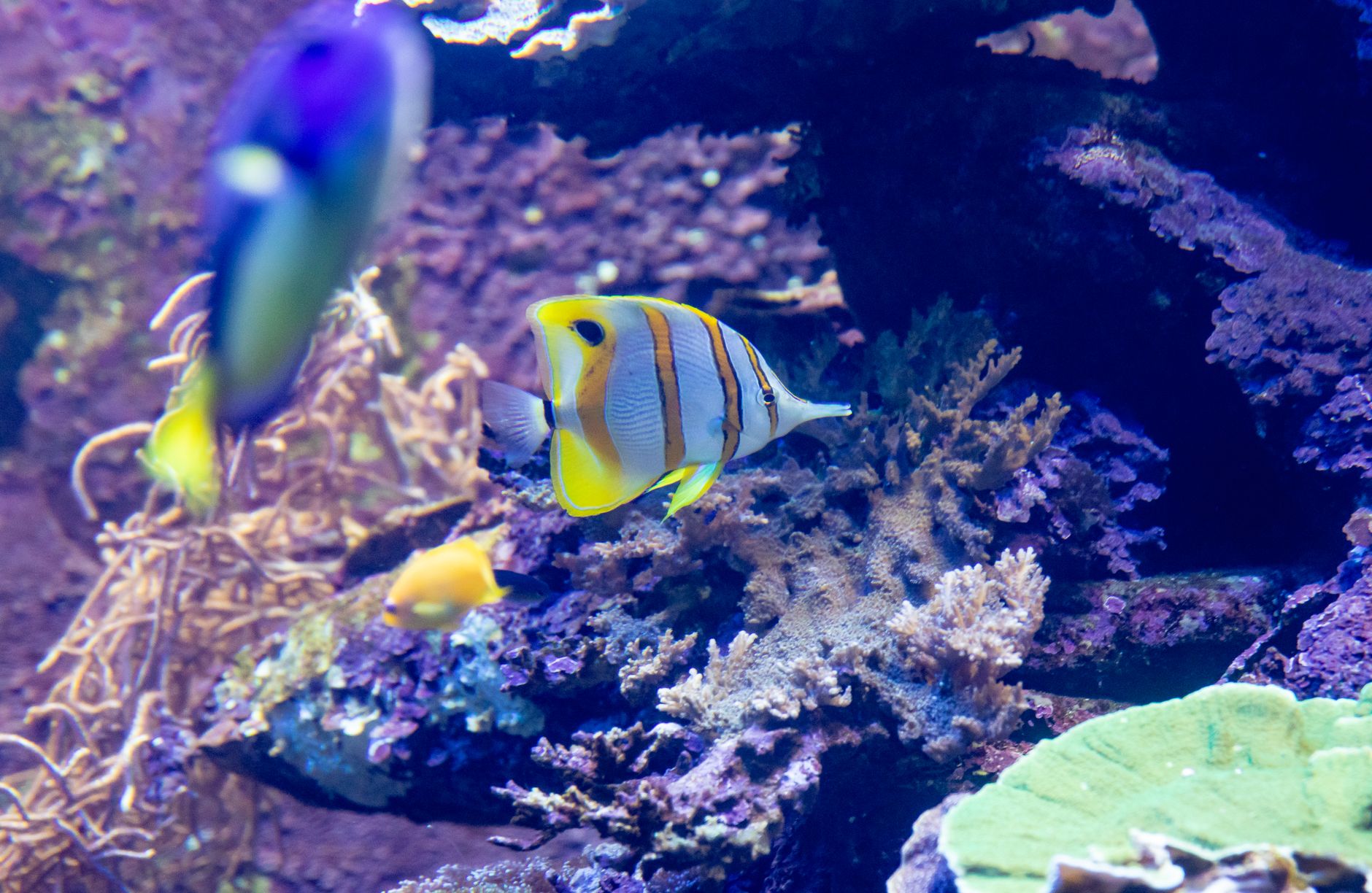
Tropical fish are a delight to keep as pets, with their vibrant colors and fascinating behaviors. However, to ensure they thrive, it’s essential to provide them with a balanced and nutritious diet. In this comprehensive feeding guide, we’ll delve into the world of tropical fish feeding, exploring the different types of food, feeding techniques, and schedules to help you become a proficient aquarist.
Before we dive into the nitty-gritty of feeding your tropical fish, it’s crucial to understand the historical context of fish keeping. The art of keeping fish as pets dates back to ancient civilizations, with evidence of fish domestication found in ancient Egypt, China, and Rome. Over time, the practice of fish keeping has evolved, with advancements in technology and our understanding of fish biology. Today, we have a wide range of tropical fish species to choose from, each with unique dietary requirements.
Understanding Tropical Fish Dietary Requirements
Tropical fish are omnivores, carnivores, or herbivores, and their dietary requirements vary depending on their species, size, and age. It’s essential to research the specific dietary needs of your fish to ensure you’re providing them with the right food. For example, carnivorous fish like angelfish and discus require a diet rich in protein, while herbivorous fish like plecos and catfish need a diet high in fiber.
A well-balanced diet for tropical fish should include a mix of the following nutrients:
- Protein: derived from animal sources like fish meal, shrimp, or beef heart
- Fats: derived from sources like fish oil or vegetable oil
- Carbohydrates: derived from sources like wheat, corn, or soy
- Vitamins and minerals: essential for growth, development, and immune function
Types of Food for Tropical Fish
There are various types of food available for tropical fish, including:
- Flakes: a popular choice for small fish, flakes are easy to digest and provide a balanced diet
- Pellets: a convenient option for larger fish, pellets are nutrient-rich and can be fed manually or automatically
- Freeze-dried foods: made from frozen fish or other ingredients, freeze-dried foods are high in protein and can be rehydrated before feeding
- Live foods: live brine shrimp, bloodworms, or daphnia can be fed to fish, providing a nutritious and engaging meal
- Frozen foods: frozen fish or other ingredients can be thawed and fed to fish, providing a nutritious and convenient option
Pros and Cons of Different Food Types
Each type of food has its pros and cons, and it’s essential to consider these when choosing the best food for your tropical fish.
Flakes, for example, are easy to digest and provide a balanced diet, but they can be messy and may not be suitable for larger fish. Pellets, on the other hand, are convenient and nutrient-rich, but they can be expensive and may not be suitable for small fish.
Freeze-dried foods are high in protein and can be rehydrated before feeding, but they can be expensive and may not provide a balanced diet. Live foods are nutritious and engaging, but they can be difficult to obtain and may pose a risk of disease transmission.
Feeding Techniques for Tropical Fish
Feeding your tropical fish requires some technique and patience. Here are some tips to help you get started:
- Feed your fish in the morning and evening, when they are most active
- Use a feeding ring or a feeding stick to target specific fish or areas of the tank
- Feed your fish in small amounts, to avoid overfeeding and reduce waste
- Monitor your fish’s appetite and adjust the amount of food accordingly
- Avoid feeding your fish when they are stressed or during water changes
Automated Feeding Systems
Automated feeding systems can be a convenient and efficient way to feed your tropical fish. These systems can be programmed to feed your fish at set times, ensuring they receive a consistent and balanced diet.
However, automated feeding systems can be expensive and may not be suitable for all types of fish. It’s essential to research and choose a system that meets your specific needs and budget.
Feeding Schedules for Tropical Fish
Feeding your tropical fish on a regular schedule can help maintain their health and well-being. Here are some general guidelines for feeding your fish:
For small fish (less than 1 inch), feed 2-3 times a day, in small amounts. For medium fish (1-3 inches), feed 2 times a day, in moderate amounts. For large fish (over 3 inches), feed 1-2 times a day, in larger amounts.
It’s also essential to consider the age and activity level of your fish when determining their feeding schedule. Young fish, for example, may require more frequent feedings, while older fish may require less frequent feedings.
Common Feeding Mistakes to Avoid
Overfeeding and underfeeding are common mistakes that can have serious consequences for your tropical fish. Overfeeding can lead to water quality issues, while underfeeding can lead to malnutrition and stress.
Here are some common feeding mistakes to avoid:
- Feeding your fish too much or too little
- Feeding your fish at the wrong time of day
- Feeding your fish the wrong type of food
- Not monitoring your fish’s appetite and adjusting the feeding schedule accordingly
Conclusion and Next Steps
Feeding your tropical fish is an essential part of their care and maintenance. By understanding their dietary requirements, choosing the right food, and following a regular feeding schedule, you can help ensure their health and well-being.
Remember to always research and choose high-quality food that meets your fish’s specific needs, and to avoid common feeding mistakes that can have serious consequences. With patience, practice, and the right knowledge, you can become a proficient aquarist and enjoy the many rewards of keeping tropical fish as pets.
So why not get started today? Explore our range of high-quality fish food and feeding accessories, and discover the joy of keeping tropical fish as pets. Happy fish keeping!
Photo by Magda Ehlers (via Pexels)