How to Cycle a New Aquarium
Introduction to Aquarium Cycling
Setting up a new aquarium can be a thrilling experience, but before you introduce your fish friends to their new home, it’s essential to cycle the tank. Cycling an aquarium is a crucial process that establishes a healthy environment for your fish to thrive. In this guide, we’ll walk you through the steps to cycle a new aquarium, ensuring a safe and happy home for your tropical pets.
What is Aquarium Cycling?
Aquarium cycling, also known as “fishless cycling,” is the process of establishing a colony of beneficial bacteria in your tank. These bacteria, such as Nitrosomonas and Nitrobacter, play a vital role in breaking down ammonia and nitrite, which are toxic to fish. By cycling your aquarium, you’ll create a balanced ecosystem that converts waste products into harmless compounds, making it safe for your fish to inhabit.
The Cycling Process
The cycling process typically takes 4-6 weeks, but it can vary depending on factors like tank size, water temperature, and the presence of beneficial bacteria. Here’s a step-by-step guide to help you through the process:
- Set up your aquarium: Install your tank, gravel, decorations, and equipment, such as a filter and heater.
- Add dechlorinated water: Fill your tank with dechlorinated water, which is essential for the growth of beneficial bacteria.
- Introduce ammonia: Add a source of ammonia to your tank, such as fish food or a commercial ammonia supplement. This will provide the necessary nutrients for the beneficial bacteria to grow.
- Monitor water parameters: Regularly test the water for ammonia, nitrite, and nitrate levels using a water test kit. You’ll start to see the ammonia levels decrease as the beneficial bacteria colonize the tank.
- Perform water changes: Gradually replace 10-20% of the tank water with fresh, dechlorinated water to maintain optimal water quality and prevent the buildup of toxins.
Troubleshooting Common Issues
During the cycling process, you may encounter some common issues, such as:
- Ammonia spikes: If you notice a sudden increase in ammonia levels, perform a partial water change to reduce the concentration.
- Nitrite spikes: If nitrite levels become too high, add some beneficial bacteria supplements or increase the water circulation to help reduce the levels.
- Slow cycling: If the cycling process is taking longer than expected, check your water temperature, as beneficial bacteria grow faster in warmer temperatures.
Completing the Cycling Process
Once you’ve completed the cycling process, your tank is ready for fish. However, it’s essential to remember that the cycling process is not a one-time event. Regular water changes and maintenance are necessary to maintain a healthy environment for your fish. By following these steps and monitoring your tank’s water parameters, you’ll create a thriving ecosystem for your tropical pets.
Remember, patience is key when it comes to cycling an aquarium. Don’t rush the process, and you’ll be rewarded with a healthy, thriving tank that will provide hours of enjoyment for you and your fish.
If you’re new to aquarium-keeping, don’t be discouraged if you encounter some setbacks along the way. With time and practice, you’ll become a pro at maintaining a healthy aquarium. So, take a deep breath, relax, and enjoy the journey of creating a beautiful and thriving underwater world for your fish friends.
Now that you’ve learned how to cycle a new aquarium, it’s time to start your aquarium-keeping journey. Visit our website for more tips, guides, and advice on tropical pet fish care, and don’t hesitate to reach out if you have any questions or need further guidance.
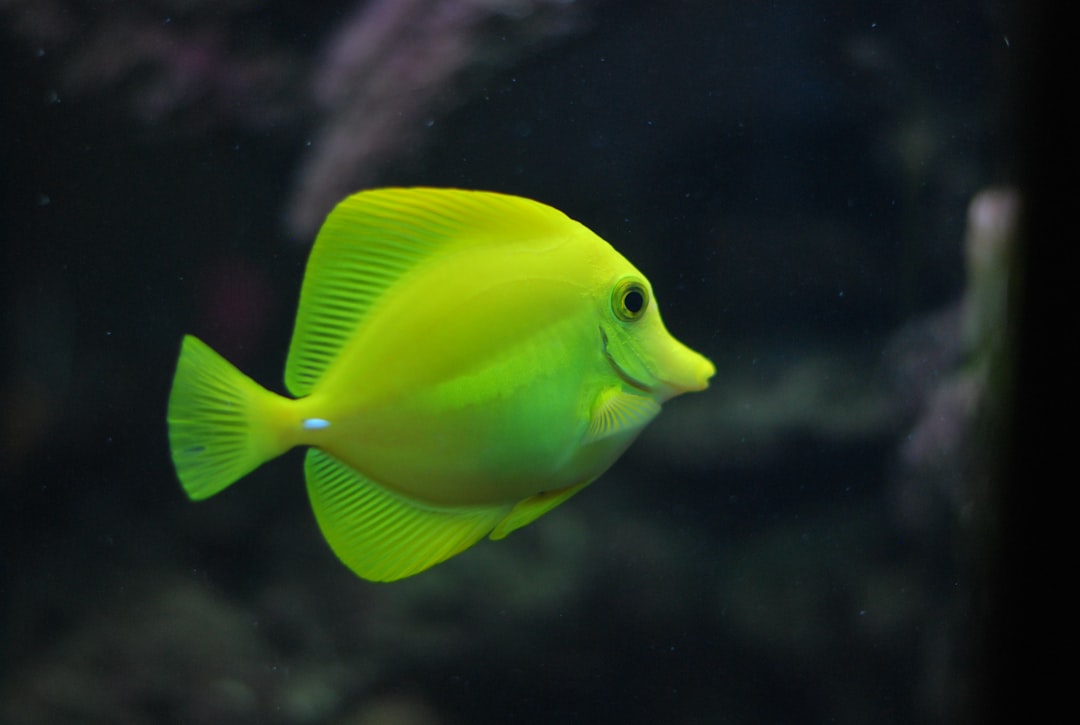
Photo by Gábor Szűts on Unsplash