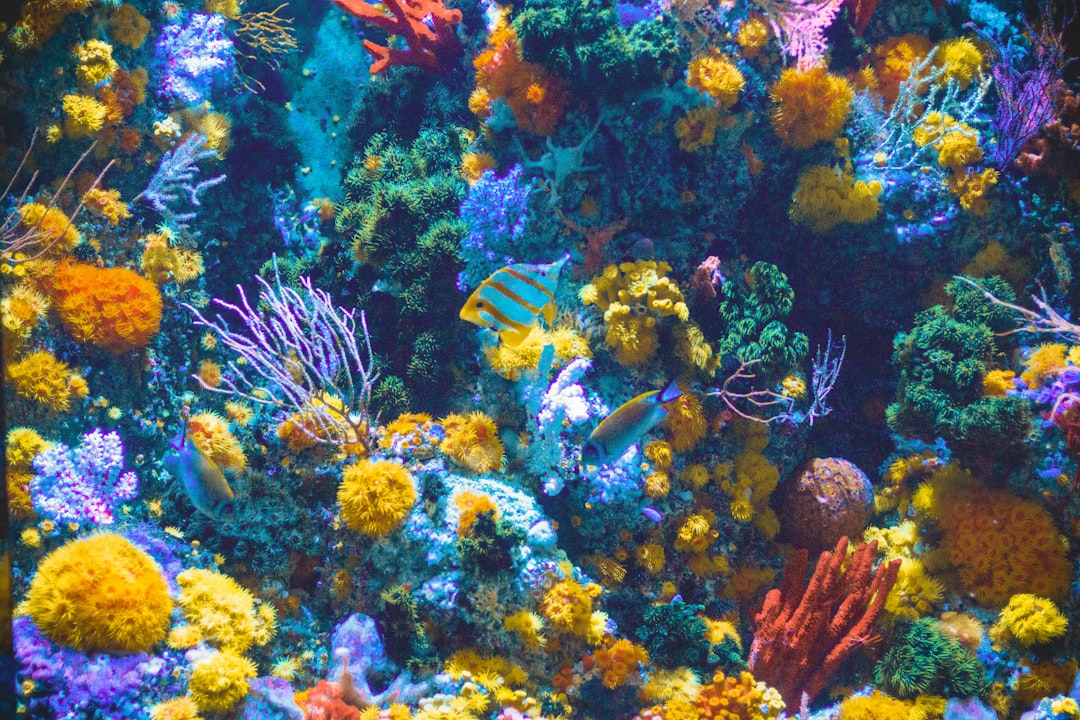
Cycling Your New Aquarium
Cycling Your New Aquarium: A Comprehensive Guide
Setting up a new aquarium can be an exciting venture, but before you introduce your fish friends to their new home, it’s essential to cycle the tank. Cycling an aquarium is a crucial step that ensures the water is safe and healthy for your fish. In this article, we’ll delve into the latest developments and best practices for cycling a new aquarium, covering the benefits of proper cycling, the different methods, and some valuable tips and tricks to get you started.
Cycling an aquarium refers to the process of establishing a balanced ecosystem within the tank. This involves creating an environment where beneficial bacteria can thrive, breaking down waste products and maintaining optimal water quality. A well-cycled aquarium is crucial for the health and well-being of your fish, as it provides a stable and safe environment for them to grow and thrive.
Why is Cycling an Aquarium Important?
Cycling an aquarium is vital because it allows beneficial bacteria to colonize the tank, converting toxic ammonia from fish waste into harmless nitrate. Without proper cycling, your fish may be exposed to high levels of ammonia, which can be detrimental to their health. By cycling your aquarium, you can prevent New Tank Syndrome (NTS), a common issue that can lead to fish illness and even death.
In addition to creating a healthy environment for your fish, cycling an aquarium also helps to establish a balanced ecosystem. This means that your tank will be better equipped to handle changes in water quality, reducing the risk of water parameter fluctuations and maintaining optimal conditions for your fish.
Methods for Cycling an Aquarium
There are several methods for cycling an aquarium, each with its own advantages and disadvantages. Some of the most common methods include:
- Fishless Cycling: This method involves adding ammonia to the tank to simulate the waste produced by fish, allowing beneficial bacteria to colonize the tank without the risk of harming fish.
- Cycling with Hardy Fish: This method involves adding hardy, low-maintenance fish to the tank, such as zebra danios or guppies, which can tolerate the fluctuations in water quality during the cycling process.
- Cycling with Live Plants: This method involves adding live plants to the tank, which help to absorb excess nutrients and stabilize the water quality, creating a more balanced ecosystem.
Each of these methods has its own unique benefits, and the best approach will depend on your specific tank setup, experience level, and preferences. It’s essential to research and understand the different methods before starting the cycling process.
Tips and Tricks for Cycling an Aquarium
To ensure a successful aquarium cycle, follow these valuable tips and tricks:
- Monitor Water Parameters: Regularly test the water for ammonia, nitrite, and nitrate levels to ensure the cycle is progressing as expected.
- Maintain Proper Water Circulation: Ensure adequate water circulation to prevent dead spots and promote the growth of beneficial bacteria.
- Perform Regular Water Changes: Regular water changes help to remove excess nutrients and waste products, maintaining optimal water quality.
- Be Patient: Cycling an aquarium can take time, typically between 4-6 weeks, so be patient and don’t rush the process.
By following these tips and tricks, you can ensure a successful aquarium cycle, creating a healthy and balanced environment for your fish to thrive.
Conclusion
Cycling a new aquarium is a crucial step in creating a healthy and balanced environment for your fish. By understanding the different methods and following valuable tips and tricks, you can ensure a successful cycle, preventing New Tank Syndrome and providing your fish with the best possible start in life. Whether you’re a seasoned aquarist or just starting out, proper aquarium cycling is essential for maintaining optimal water quality and promoting the health and well-being of your fish.
So, if you’re ready to take the plunge and set up your new aquarium, remember to take your time, do your research, and prioritize proper cycling. Your fish will thank you! For more information on aquarium cycling and other topics related to tropical pet fish care, be sure to check out our latest issue of “Pet Fishes” magazine.
Happy fish keeping, and we’ll see you in the next issue!
Photo by Shaun Low on Unsplash