
Isolating and treating persistent columnaris bacterial infections safely inside a separate hospital tank
## Isolating and Treating Persistent Columnaris Bacterial Infections
Columnaris bacterial infections are a common and potentially devastating disease affecting aquarium fish. Caused by the bacterium Flavobacterium columnare, this disease can spread rapidly and have a high mortality rate if left untreated. Isolating infected fish in a separate hospital tank and providing proper treatment is crucial for their recovery and to prevent the spread of the disease to other fish in the main tank.
## Understanding Columnaris Bacterial Infections
Columnaris bacterial infections can be identified by their characteristic symptoms, which include yellow or white lesions on the fish’s body, fins, and gills. Infected fish may also exhibit labored breathing, lethargy, and a loss of appetite. The disease can be triggered by poor water quality, stress, and inadequate nutrition.
It is essential to act quickly when dealing with a Columnaris outbreak, as the disease can progress rapidly and be fatal if left untreated. Isolating infected fish in a hospital tank and providing proper treatment is the most effective way to manage the disease and prevent its spread.
## Setting Up a Hospital Tank
Equipment and Supplies
A hospital tank should be a separate, dedicated tank used solely for treating sick fish. The tank should be equipped with a reliable filtration system, a heater, and a thermometer. A quarantine tank should also have a secure lid to prevent fish from jumping out.
- A 10-20 gallon tank is a suitable size for a hospital tank, as it provides ample space for the fish to swim and thrive.
- A sponge filter or a hang-on-back filter is a good option for a hospital tank, as they are gentle and will not stress the fish.
- A submersible heater is recommended, as it will provide a stable and consistent temperature.
- A digital thermometer is essential for monitoring the water temperature, which should be maintained between 78-82°F (25-28°C) for most tropical fish.
## Water Quality and Parameters
Monitoring Water Parameters
Water quality is critical when treating fish for Columnaris bacterial infections. Regular water changes and monitoring of water parameters are essential to maintain optimal water conditions.
The following water parameters should be monitored and maintained:
- pH: 6.5-8.5
- Ammonia: 0 ppm
- Nitrite: 0 ppm
- Nitrate: < 20 ppm
Regular water changes of 10-20% every day will help to maintain optimal water parameters and prevent the buildup of toxins.
## Treatment Options
Antibiotics and Medications
Antibiotics and medications are often used to treat Columnaris bacterial infections. However, it is essential to use these treatments under the guidance of a qualified aquarium professional or veterinarian, as they can have adverse effects on the fish and the ecosystem.
Some common treatments for Columnaris include:
- Kanamycin: an antibiotic that is effective against Gram-negative bacteria, including Flavobacterium columnare.
- Neomycin: an antibiotic that is effective against a wide range of bacteria, including Flavobacterium columnare.
- Metronidazole: an antibiotic that is effective against anaerobic bacteria and can be used to treat secondary infections.
It is essential to follow the manufacturer’s instructions and the recommended dosage when using any medication or antibiotic.
## Managing Stress and Promoting Recovery
Providing a Stress-Free Environment
Stress can exacerbate Columnaris bacterial infections and hinder the recovery process. Providing a stress-free environment is crucial for promoting recovery and preventing the spread of the disease.
The following tips can help to reduce stress and promote recovery:
- Provide plenty of hiding places and visual barriers to reduce aggression and stress.
- Maintain a consistent water temperature and avoid sudden changes.
- Avoid overfeeding, as this can lead to poor water quality and stress.
- Minimize handling and netting, as this can cause physical stress and injury.
## Monitoring Progress and Adjusting Treatment
Regular Monitoring and Adjustments
Regular monitoring of the fish’s progress and adjusting the treatment plan as needed is crucial for ensuring the effective management of Columnaris bacterial infections.
The following tips can help to monitor progress and adjust treatment:
- Regularly inspect the fish for signs of improvement or deterioration.
- Monitor water parameters and adjust the treatment plan accordingly.
- Adjust the dosage or type of medication as needed, under the guidance of a qualified aquarium professional or veterinarian.
- Consider adding a bacterial supplement to the tank to promote the growth of beneficial bacteria.
## Preventing the Spread of Disease
Quarantine and Isolation Procedures
Preventing the spread of disease is critical when dealing with Columnaris bacterial infections. Quarantine and isolation procedures should be followed to prevent the introduction of the disease to the main tank.
The following tips can help to prevent the spread of disease:
- Quarantine all new fish for at least 2-4 weeks before introducing them to the main tank.
- Use a separate net and equipment for the hospital tank to prevent cross-contamination.
- Avoid sharing equipment or supplies between tanks.
- Regularly disinfect and clean all equipment and surfaces that come into contact with the tank.
## Final Considerations
Isolating and treating persistent Columnaris bacterial infections requires careful attention to detail and a thorough understanding of the disease and its treatment. By following the tips and guidelines outlined in this article, aquarium hobbyists can effectively manage the disease and prevent its spread.
Always remember to handle fish gently and humanely, and to follow proper quarantine and isolation procedures to prevent the introduction of disease to the main tank.
When in doubt, consult a qualified aquarium professional or veterinarian for guidance on treating Columnaris bacterial infections.
Regularly review and update your knowledge of fish diseases and their treatment to ensure the best possible care for your fish.
Check the water parameters daily to ensure they are within the optimal range for your fish, and make adjustments as necessary to prevent stress and disease.
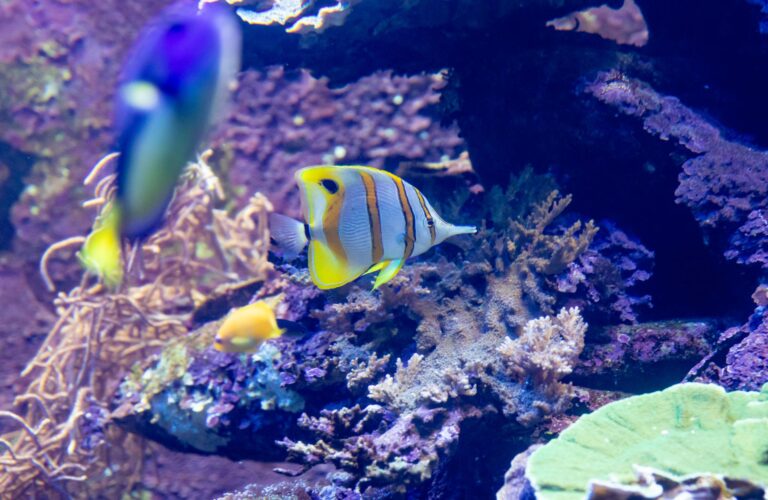
Photo by Elizabeth Iris (via Pexels)