Conquering Columnaris Infections
Conquering the Elusive Columnaris: A Comprehensive Guide to Isolating and Eradicating Persistent Infections
Columnaris, a bacterial infection caused by Flavobacterium columnare, has long been a thorn in the side of freshwater aquarium enthusiasts. This highly contagious and often deadly disease can spread quickly, leaving a trail of devastated fish populations in its wake. Despite its prevalence, columnaris remains a challenging condition to diagnose and treat, particularly when it comes to persistent infections. In this article, we will delve into the latest developments and protocols for isolating and eradicating columnaris infections using accurate quarantine hospital tank protocols.
Understanding Columnaris: History, Causes, and Symptoms
Columnaris has been a part of the aquarium scene for decades, with the first reported cases dating back to the 1960s. The disease is characterized by its distinctive column-like lesions on the skin and fins of infected fish, which can eventually lead to secondary infections, organ failure, and death. The symptoms of columnaris can vary depending on the severity of the infection, but common signs include lethargy, loss of appetite, and labored breathing. In its advanced stages, columnaris can cause significant damage to the fish’s skin and fins, leading to a range of secondary complications.
Causes and Risk Factors
Columnaris is caused by the bacterium Flavobacterium columnare, which is naturally found in many freshwater environments. However, the risk of infection increases significantly when fish are stressed, injured, or exposed to poor water quality. Other risk factors include overcrowding, inadequate filtration, and the introduction of infected fish or contaminated equipment. By understanding these risk factors, aquarium enthusiasts can take proactive steps to minimize the likelihood of a columnaris outbreak.
Symptoms and Diagnosis
Detecting columnaris can be a challenging task, particularly in its early stages. The disease often presents with non-specific symptoms, such as lethargy and loss of appetite, which can be mistaken for other conditions. A definitive diagnosis typically requires a combination of visual examination, water quality testing, and laboratory analysis. By working with a qualified aquarium professional or veterinarian, enthusiasts can develop an effective diagnosis and treatment plan for their infected fish.
Quarantine Hospital Tank Protocols: The Key to Eradicating Columnaris
Quarantine hospital tanks have long been recognized as a crucial component of effective aquarium disease management. By isolating infected fish in a separate tank, enthusiasts can prevent the spread of disease and provide targeted treatment. When it comes to columnaris, a well-designed quarantine hospital tank protocol is essential for eradicating the infection. The following guidelines provide a comprehensive framework for setting up and managing a quarantine hospital tank for columnaris-infected fish:
Quarantine Tank Setup and Equipment
A suitable quarantine tank for columnaris-infected fish should be equipped with the following features:
- A secure, escape-proof lid to prevent fish from jumping out
- A reliable heating system to maintain a stable temperature between 75-82°F (24-28°C)
- A high-quality filtration system, such as a sponge filter or a hang-on-back filter
- A UV sterilizer to reduce bacterial loads and prevent the spread of disease
- A hydrometer or refractometer to monitor water quality and salinity
Water Quality and Management
Water quality is a critical factor in the treatment and management of columnaris. The following guidelines should be followed to ensure optimal water conditions:
- Maintain a water temperature between 75-82°F (24-28°C) to slow the growth of the bacteria
- Monitor and adjust water hardness, pH, and alkalinity to match the fish’s natural habitat
- Perform regular water changes (25-50% every 24-48 hours) to remove waste products and excess bacteria
- Use a high-quality water conditioner to remove chlorine, chloramines, and heavy metals
Treatment and Medication
Treatment of columnaris typically involves a combination of antibiotics, antimicrobial medications, and supportive care. The following medications have been shown to be effective against columnaris:
- Metronidazole (Flagyl) to target anaerobic bacteria
- Neomycin sulfate to target gram-negative bacteria
- Kanamycin to target gram-negative bacteria
- API E.M. Erythromycin to target gram-positive bacteria
Expert Case Studies: Real-World Examples of Successful Columnaris Eradication
In this section, we will explore two real-world case studies of successful columnaris eradication using accurate quarantine hospital tank protocols. These examples demonstrate the importance of a well-designed treatment plan, attention to detail, and a commitment to providing optimal care for infected fish.
Case Study 1: Eradicating Columnaris in a Community Tank
In this case study, a community tank of mixed species was infected with columnaris, resulting in significant mortality. The tank was immediately quarantined, and a separate hospital tank was set up to treat the infected fish. The treatment plan included a combination of metronidazole, neomycin sulfate, and kanamycin, along with regular water changes and monitoring of water quality. After six weeks of treatment, the infection was fully eradicated, and the fish were returned to the main tank.
Case Study 2: Treating Columnaris in a Breeding Program
In this case study, a breeding program for a rare species of fish was affected by a columnaris outbreak. The infected fish were immediately isolated and treated in a separate quarantine tank using a combination of API E.M. Erythromycin and metronidazole. The treatment plan also included regular water changes, monitoring of water quality, and attention to the fish’s nutritional and environmental needs. After four weeks of treatment, the infection was fully eradicated, and the breeding program was able to continue without further incidence.
Conclusion and Call to Action
Columnaris is a challenging and often devastating disease that can have significant consequences for aquarium enthusiasts. However, by understanding the causes and symptoms of the disease, and by implementing accurate quarantine hospital tank protocols, enthusiasts can effectively isolate and eradicate columnaris infections. We encourage all aquarium enthusiasts to take proactive steps to prevent the spread of disease, including regular water quality monitoring, attention to fish health, and a commitment to providing optimal care for their aquatic friends. Remember, a well-designed quarantine hospital tank protocol is the key to conquering the elusive columnaris and ensuring the long-term health and well-being of your fish.
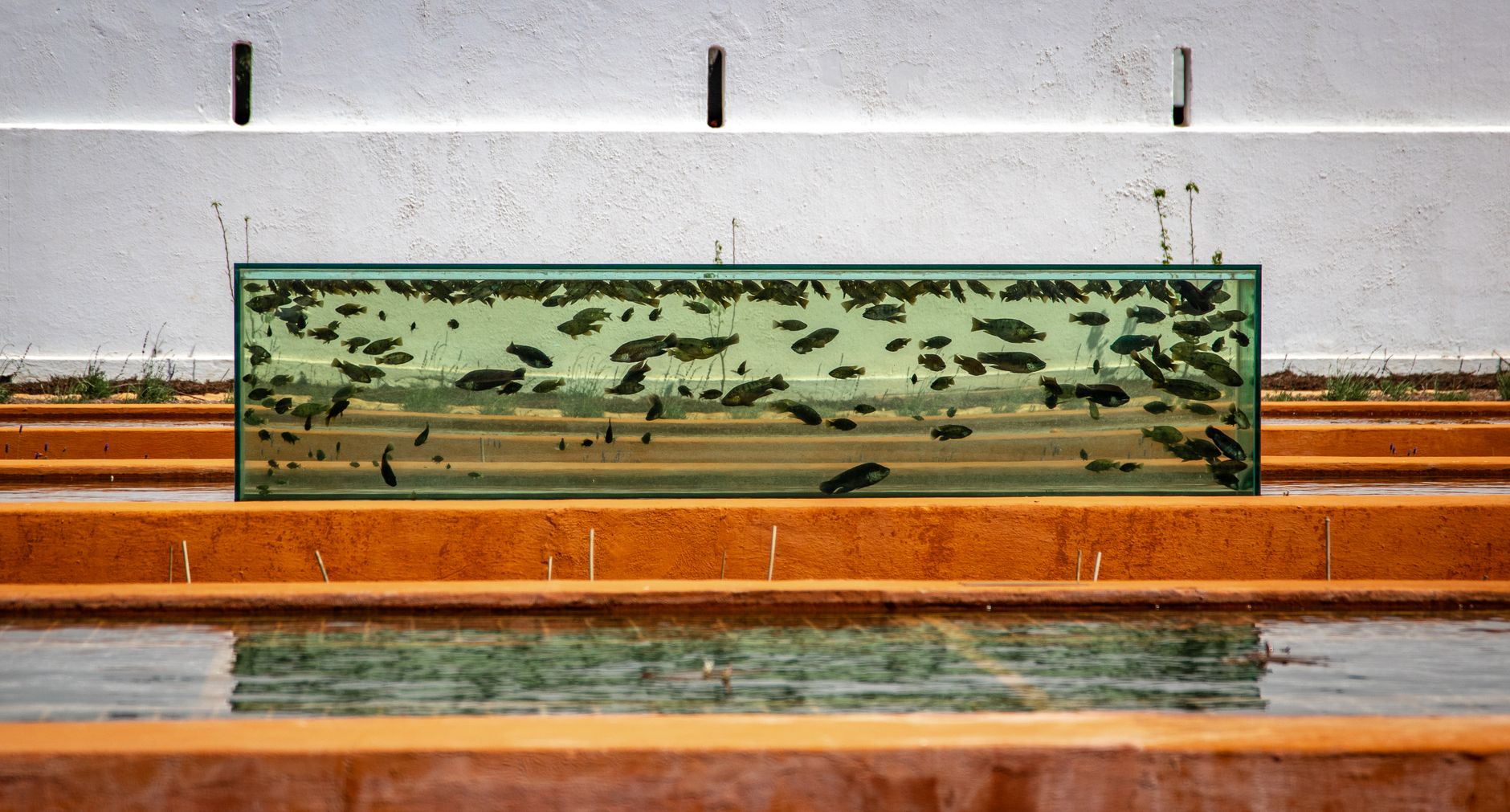
Photo by Magda Ehlers (via Pexels)